
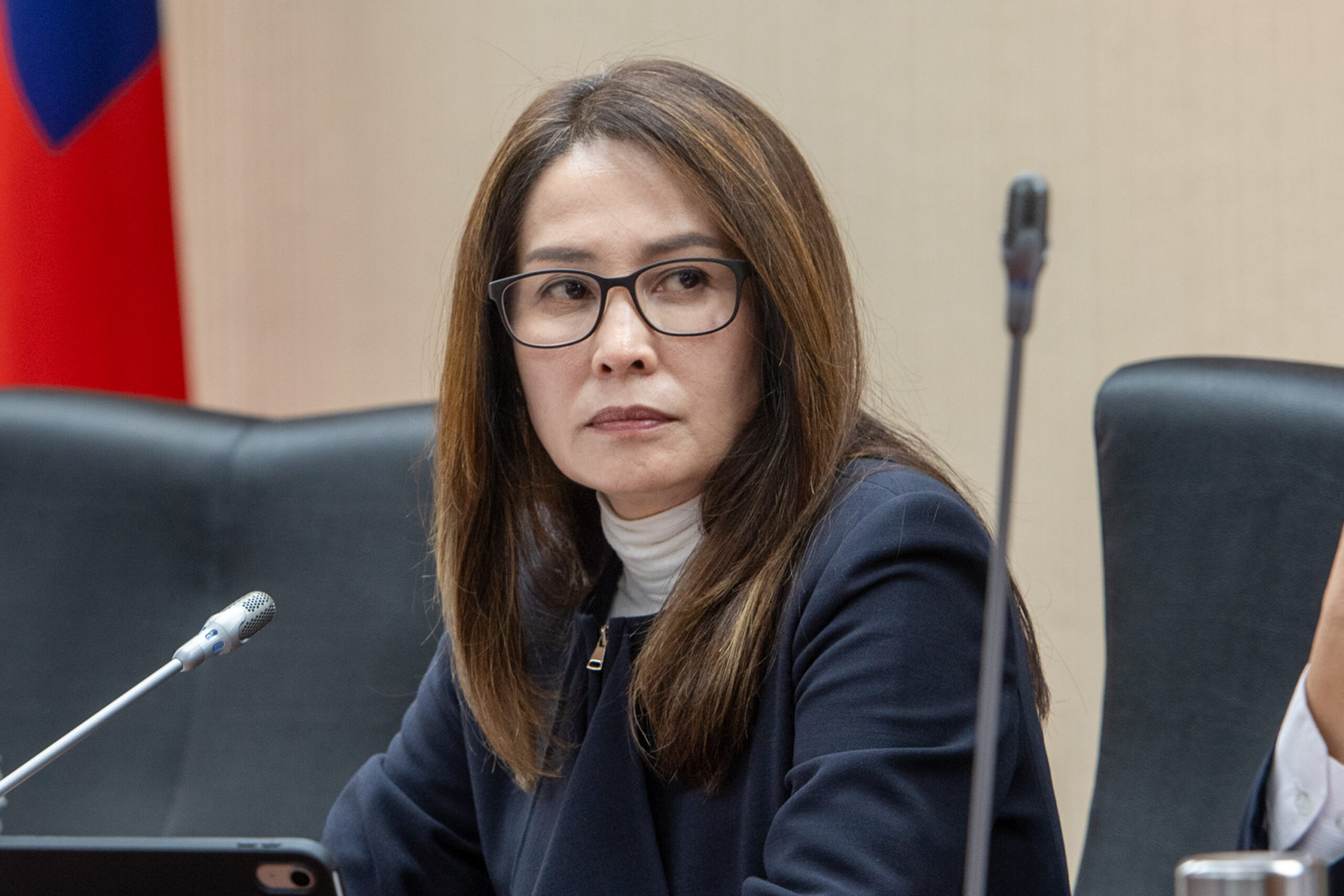
In a significant legal development, four individuals in Taiwan, including independent legislator Kao Chin Su-mei and her aides, have been accused of receiving funds from the Chinese Communist Party (CCP) to develop an organizational presence in Taiwan. The Taipei High Prosecutors Office has undertaken an investigation into allegations that these individuals violated the National Security Act. On November 6, the office formally charged them with multiple offenses, including violations of national security laws and corruption, recommending severe prison sentences of 14 years for Kao and 15 years for her aide, Chang Jun-jie.
The prosecutors have indicated that Kao and her associates—Chang Jun-jie, Chen Zhi-huang, and Lin Yi-jun—managed to consolidate community work teams and legislative groups into what they called “The Ancestral Spirit Land Team” between 2005 and 2016. This operation was notable for its strategy of using a singular organizational model under two different names, with Chang and Chen spearheading electoral campaigns and public affairs. Lin served as an intermediary, facilitating communication between the team and Chinese officials, following their directives and executing their instructions.
Through these channels, the accused were alleged to have accepted substantial donations formally designated for local tribal development, which were redirected to enhance Kao’s resources for re-election campaigns. Furthermore, they utilized personal accounts of family and friends to funnel approximately NT$170 million (around US$5.7 million) into Taiwan, prompting serious concerns about the infiltration of external influence into domestic politics.
According to the prosecutors, these actions constituted both the establishment of an organizational presence for a foreign government agency and bribery related to their official capacity. Kao reportedly acted upon the influence of Chinese officials in various legislative activities, which included organizing international press conferences against Japan, compelling the questioning of Japan’s budgetary allocations, and campaigning against arms procurement efforts. Their activities allegedly disrupted legislative operations within the Republic of China and posed a significant threat to Taiwan’s sovereignty, national security, and social stability.
The Prosecutors Office noted that Kao, who has served as a legislator since 2002, has a constitutional duty to remain loyal to the state, conduct affairs impartially, and fulfill her duties responsibly. However, in pursuit of re-election and unlawful benefits, she collaborated with Chang and others to accept resources and substantial funds from hostile foreign forces, which undermined public trust and violated legal statutes.
Additionally, the prosecutors highlighted that Chang, who has been involved in indigenous affairs and served as the chief of Kao’s legislative office, had a responsibility to act honorably and in accordance with the law. Yet, he allegedly conspired with Kao and the others to accept resources from foreign adversaries, arranging for individuals to receive training in mainland China for unified operations, thus potentially infiltrating indigenous communities for divisive purposes. The severity of his actions, which included fleeing to avoid investigation, warranted a stringent sentence of 15 years.
Regarding Chen and Lin, while both provided confessions during the investigation and returned illicit gains, their actions were deemed to have had serious ramifications for Taiwan’s sovereignty and national security. The prosecutors have requested that appropriate penalties be imposed on both individuals in light of their involvement in the criminal activities.
The Taipei High Prosecutors Office emphasized its commitment to thorough evidence-gathering and stringent enforcement to address any cases that jeopardize national security. This case serves as a stark reminder of the ongoing challenges and vulnerabilities that Taiwan faces in the context of external influence and internal governance.