
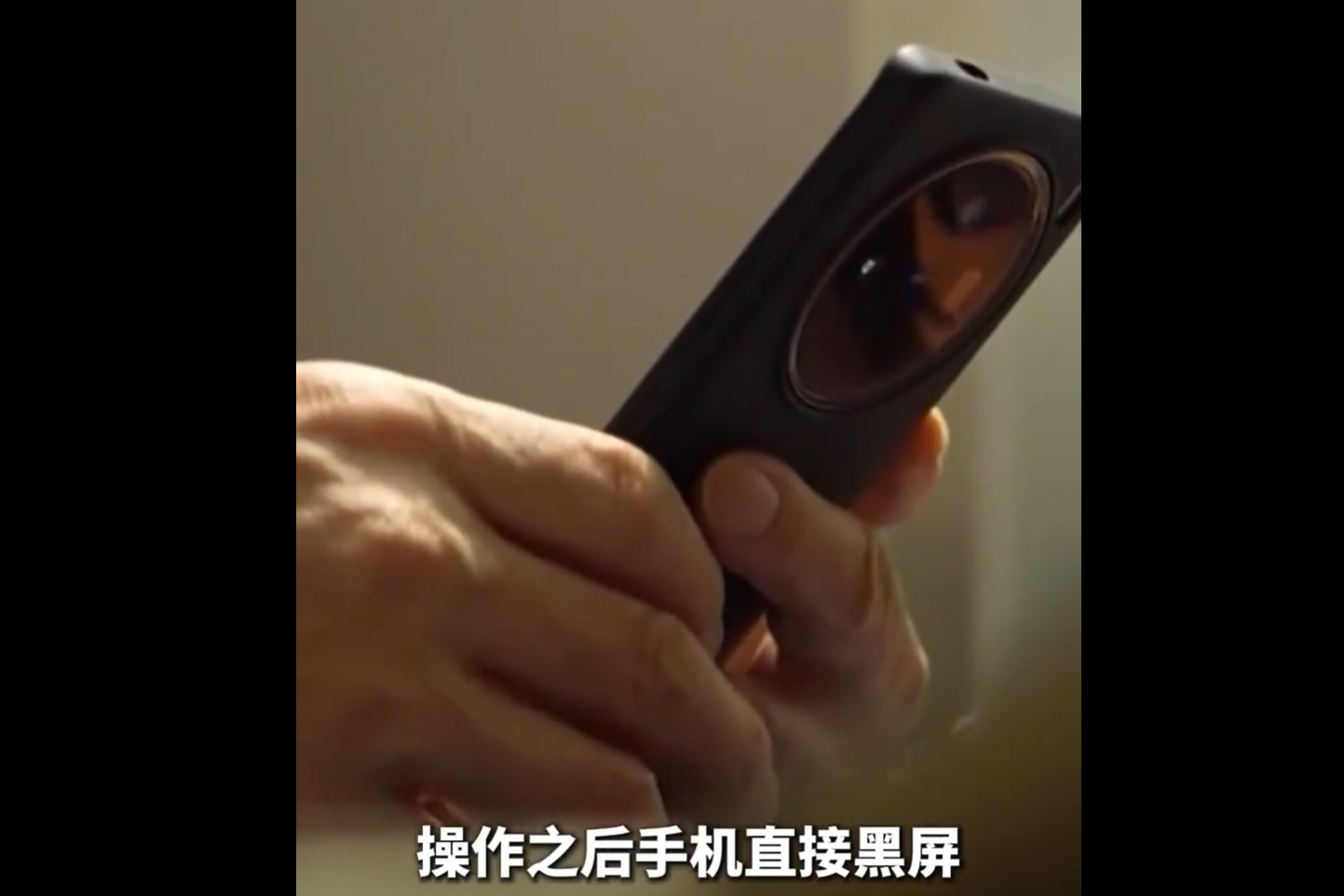
Recently in Beijing, a new type of telephone fraud has emerged, where a woman received a call displaying as “local” from an overseas number. After clicking the link provided, her phone screen went black, and over 40,000 RMB from her linked bank account was immediately remotely manipulated and stolen.
This incident was reported by CCTV Finance on October 14th. A woman surnamed Jiang in Beijing received a call from a local number, where the caller impersonated a customer service representative from a social media platform, claiming to help deactivate automatic billing functions. After clicking the link provided, Jiang’s phone instantly went black, and the over 40,000 RMB in her bank account was swiftly stolen through remote control. Upon reporting the incident to the police, it was confirmed that while the incoming call number appeared to be local, the caller was actually located overseas.
One major difference in this phone scam compared to previous cases is that the fraudsters entice the recipient to click a link during the call, which allows them to steal the victim’s money. Reports indicate that the link clicked by Jiang actually connected to a remote control software. During the period of the black screen, the scammers could see everything on the screen remotely, access the phone’s contact list and chat records, and even directly manipulate payment software for transfers. The victim remained completely unaware of what was happening to their phone during the black screen.
Furthermore, in an effort to overcome the issue of low response rates and potential interception when using overseas numbers starting with “+” or “00”, the fraud group has adopted a new model of “heavy payment for (SIM) cards + local redirection”.
In this case, the involved group released part-time job information in the labor market, enticing laborers with rewards of a few hundred RMB per SIM card to visit telecommunication stores in bulk to obtain regular phone cards. Some laborers, despite knowing the illegal nature of the activity, still participated to make quick money.
After obtaining the phone cards, the group set up simple voice redirection devices (GOIP) in vehicles in the suburbs to real-time redirect overseas signals as local numbers, significantly reducing the vigilance of the victims.
Authorities mentioned that these phone cards are often registered and used on the same day and make high-frequency calls, targeting mainly middle-aged and elderly groups. Currently, 7 main suspects have been criminally detained.
In recent years, the rate of telecommunications fraud in China and the amount involved have continued to rise, with fraud cases accounting for about 60% of all criminal cases nationwide. In 2024, there were over 2.13 million telecommunications fraud cases nationwide, resulting in direct economic losses of 97 billion RMB, with an average of about 4 people being defrauded every minute.