
The International Monetary Fund (IMF) has once again urged China to increase fiscal support to cope with deflationary pressures and slowing economic growth. The IMF pointed out that China has long faced structural issues such as weak domestic demand and a sluggish real estate market, with economic growth still overly reliant on exports and investment. To achieve more sustainable growth, China urgently needs to boost household consumption and promote a transition in its economic model.
IMF Asia-Pacific Department Director Krishna Srinivasan stated on Thursday (October 15) at a press conference in Bangkok, Thailand, that the fiscal support measures currently taken by China are quite limited in terms of scale and coverage. He emphasized that the Chinese economy is facing deflationary pressures, and it is necessary to further increase fiscal stimulus in the short term to support demand and promote price recovery.
According to the latest IMF World Economic Outlook report, China’s economic growth rate is expected to decline from 5% in 2025 to 4.5% in 2026, and further slow down to 4% in 2027. The IMF believes that weak domestic demand is one of the significant challenges facing the Chinese economy.
Srinivasan pointed out that China’s economic growth is currently heavily dependent on external demand, and the long-term economic rebalancing advocated by the IMF has yet to be fully realized. China needs to expand domestic demand, particularly household consumption, to reduce its reliance on export-driven economic growth.
IMF has long been concerned about the structural issues in the Chinese economy. In December 2025, at the conclusion of the routine economic assessment and policy consultations with China, IMF staff urged the Chinese authorities to take stronger macroeconomic support measures to steer economic growth towards consumption-led and enhance social security reform to reduce households’ need to increase savings in response to future uncertainties.
In February 2026, the IMF Executive Board completed the Article IV consultation with China for the fiscal year 2025. The related report indicated that China achieved a 5% economic growth rate in 2025, mainly driven by strong exports and policy support, but private domestic demand remained weak. The annual average inflation rate was zero, and the GDP deflator continued to decline, reflecting downward pressure on overall price levels.
To reverse this trend, the IMF suggests maintaining expansionary fiscal policies during persistent deflationary pressures, allocating more fiscal resources to support household consumption and address real estate market issues, while reducing inefficient investments and unnecessary industrial policy support to stimulate domestic demand and promote price recovery.
IMF also recommends that China improve its healthcare, pension, unemployment protection, and social assistance systems to reduce residents’ concerns about future living costs and income risks, thereby lowering precautionary savings needs and unleashing consumption potential. Increasing household consumption will not only help address weak domestic demand issues but also alleviate both internal and external economic imbalances in China.
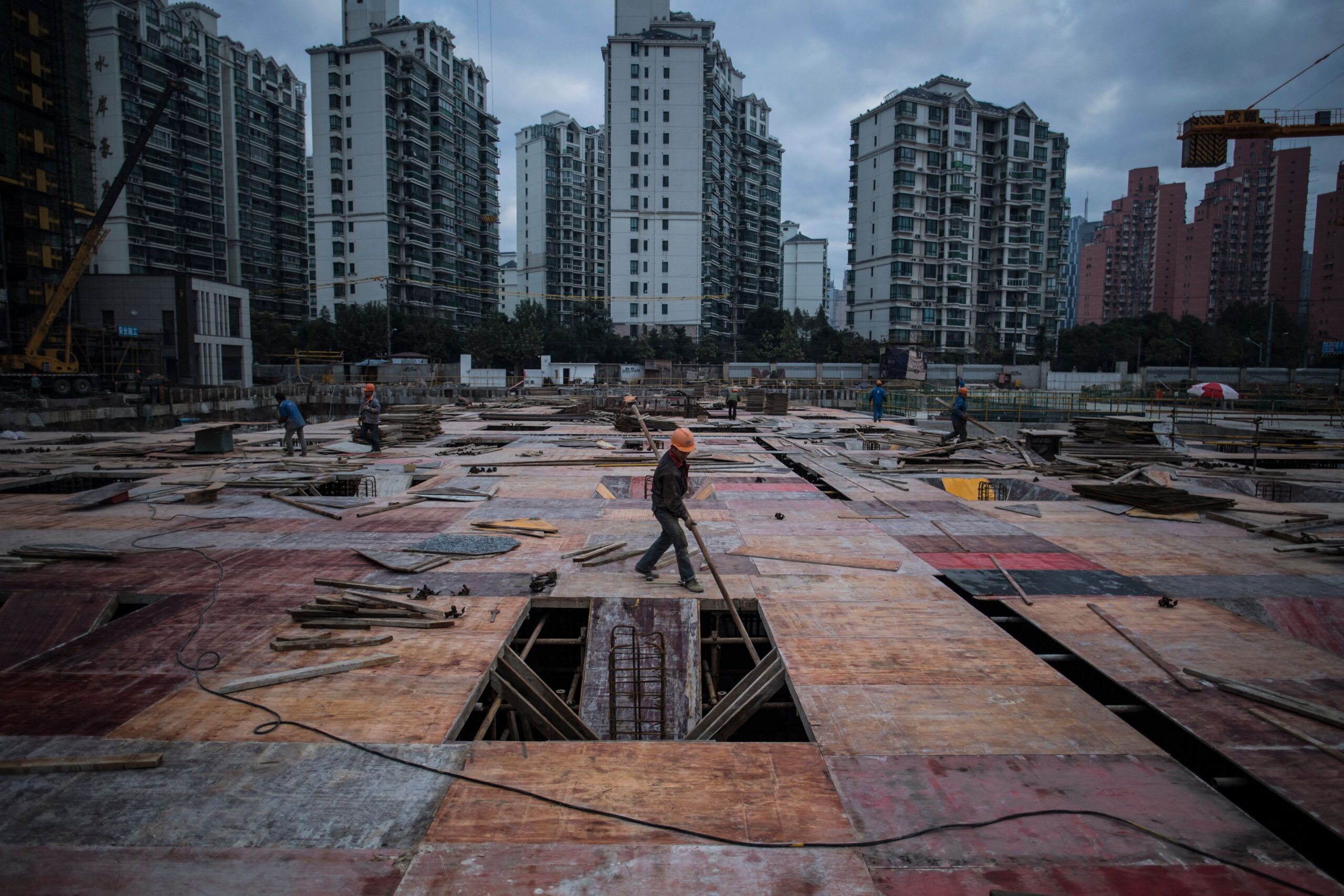
The continuous downturn in the real estate market is also a major risk that IMF is concerned about. Srinivasan stated on October 15 that the real estate crisis in China has lasted too long, and reiterated the need to support the gradual recovery of the real estate market through boosting household confidence and improving social security.
In a report released by the IMF in February 2026, it warned that continued adjustments in the real estate market, heavy local government debt burdens, and inadequate market confidence could further weaken domestic demand and exacerbate deflationary pressures. If these issues are not resolved in the long term, deflation may become entrenched, and the negative cycle between debt and economic activities could further drag down growth.
IMF also points out that weak domestic demand may lead China to rely more on exports for economic growth, exacerbating external economic imbalances and trade disputes.
Regarding specific policies, IMF suggests expediting the resolution of presold but unfinished housing issues, promoting the exit of real estate enterprises lacking sustainable operating capacity from the market, and increasing support for household consumption. Additionally, China should properly restructure unsustainable local government financing platform debt to reduce the drag of local debt risks on the economy.
IMF believes that China needs to combine short-term fiscal stimulus with long-term structural reforms to stabilize the real estate market, address local debt risks, boost household consumption confidence, and gradually shift the momentum of economic growth from export and investment to domestic demand.
(Reference: Reuters)