
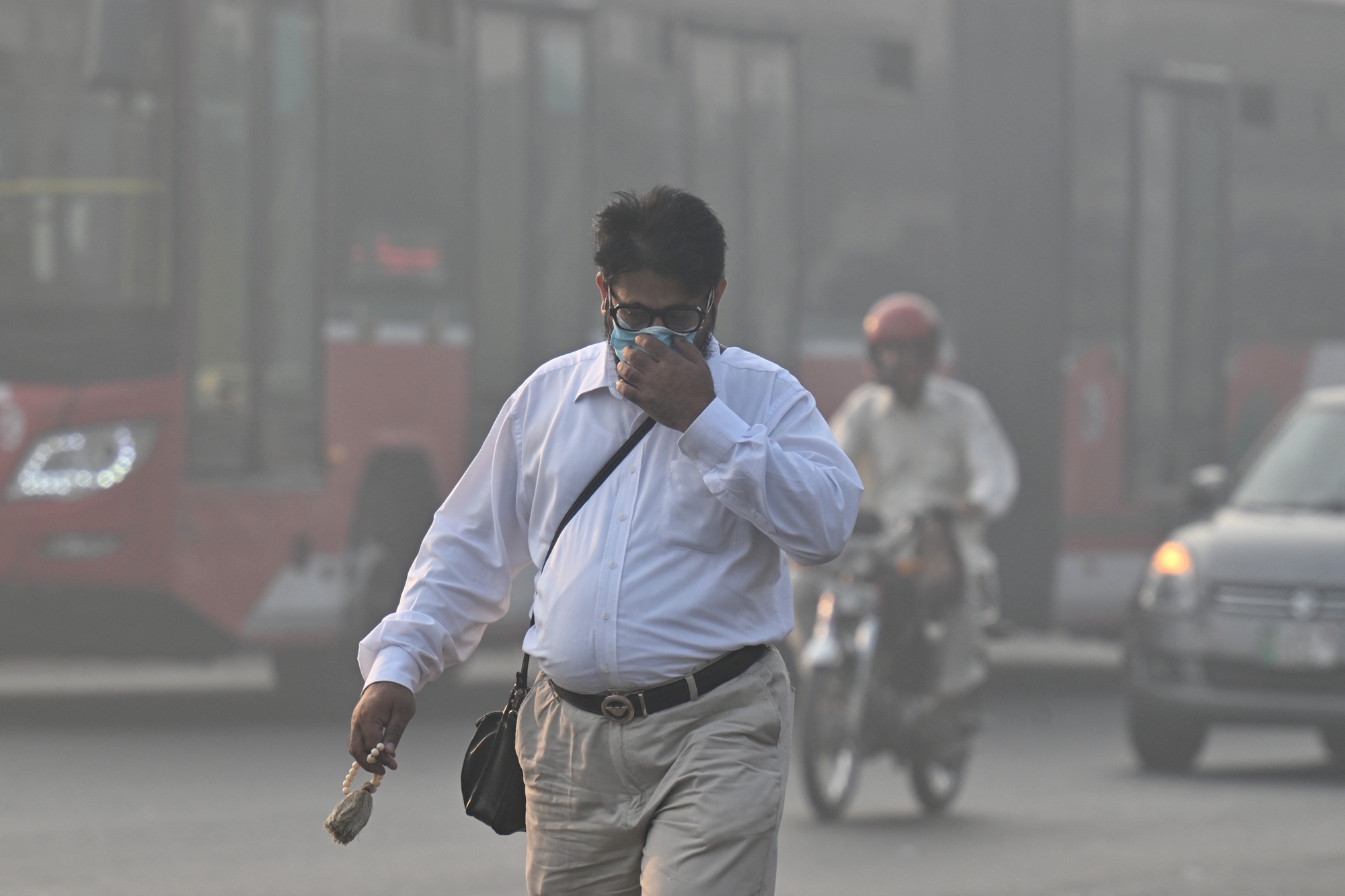
In recent days, South Asia has entered the early winter season, leading to a severe smog crisis across various regions of India and Pakistan. The air pollution index has skyrocketed to levels categorized as “hazardous” and “dangerous,” resulting in countless individuals suffering from respiratory illnesses flooding emergency rooms. In response, both nations have implemented urgent regulatory measures to address these alarming health concerns.
Reports indicate that this explosive “smog crisis” is an annual occurrence in the region. The combination of falling temperatures, stagnant cold air, and decreased wind speeds creates an environment where airborne pollutants cannot disperse effectively. This, together with factors such as vehicle emissions, dust from construction sites, industrial discharges, and the burning of crop residues by local farmers, exacerbates the pollution levels, posing serious health risks to residents’ respiratory systems.
According to data from the Swiss air quality monitoring organization IQAir, Lahore, the second-largest city in Pakistan, has experienced an air quality index (AQI) that has exceeded 400, even reaching a critical level of 447 at times. The concentration of fine particulate matter (PM2.5) in the air has hit an astonishing 60 times the World Health Organization’s (WHO) annual average guideline, marking it as one of the world’s most polluted cities.
In an attempt to mitigate this crisis, authorities have deployed “smog cannons” to spray mist along the streets to force down airborne dust particles. They are also intensifying checks on brick kilns that violate pollution regulations, firmly advising farmers against using fire for land cultivation and urging residents to limit unnecessary outdoor activities.
Meanwhile, the air quality in New Delhi, the capital city of India, is also alarming, with recorded AQI levels ranging from 231 to 332, reaching “hazardous” status. Visibility during the day has notably decreased, leading to many iconic buildings being obscured by thick fog.
To address the deteriorating air pollution situation, New Delhi’s progressive anti-pollution response plan took effect on November 2. This plan includes measures such as restricting the entry of highly polluting and old vehicles into the capital, halting certain construction activities, banning the use of coal and firewood in restaurants, and increasing public transportation services.
Furthermore, with the significant Hindu festival of Diwali approaching this weekend, on November 8, the Supreme Court has pre-emptively mandated the use of low-pollution “eco-friendly fireworks” only during designated hours to further curb pollution levels during this festive period.
These steps reflect an urgent need for both immediate action and long-term strategies to improve air quality in the region, protecting the health and well-being of millions of people living in these affected areas.