
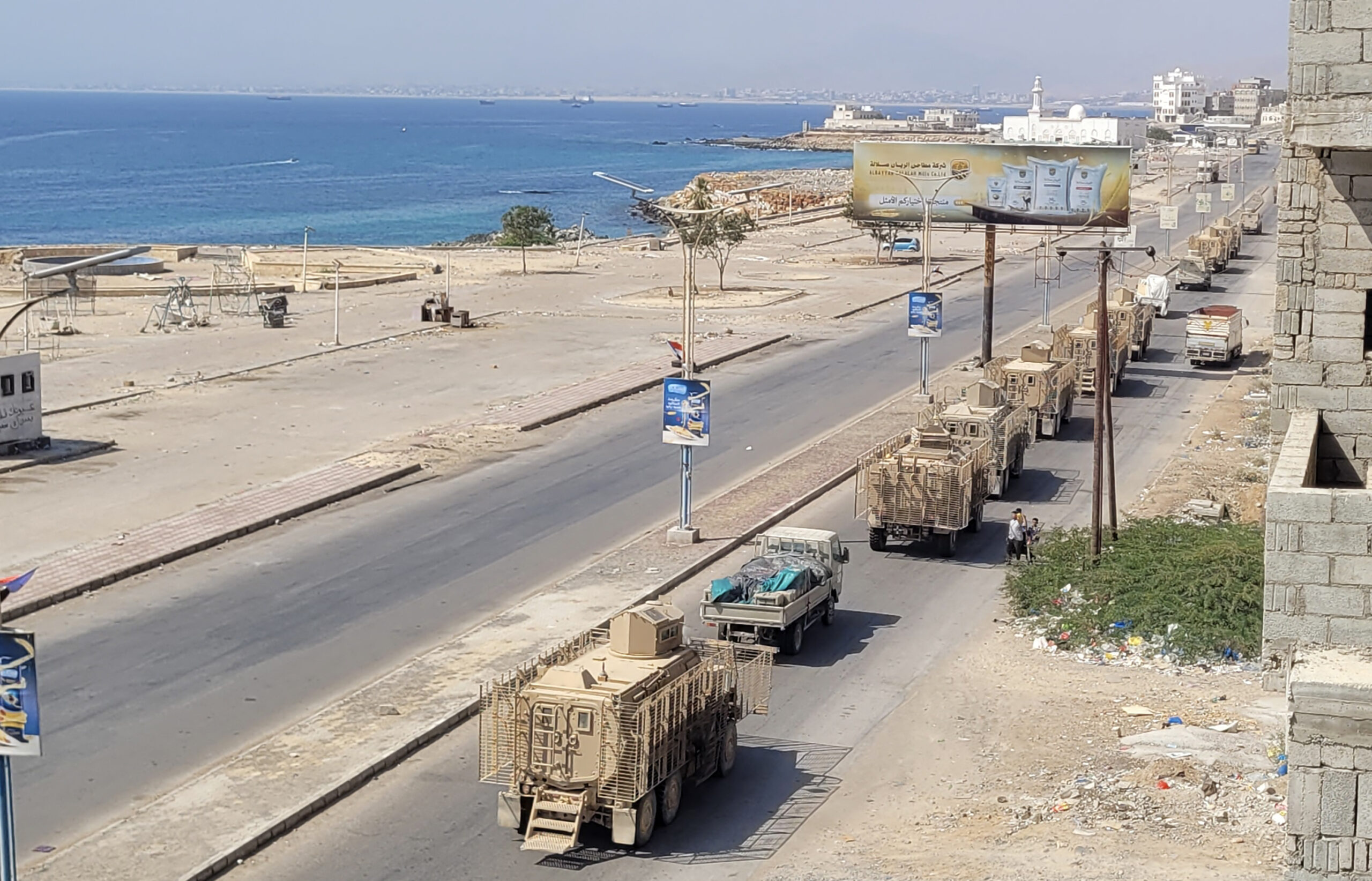
The situation in the Middle East has once again become tense as a senior official from Saudi Arabia has stated that intelligence received by Saudi Arabia, the United States, and several Middle Eastern countries indicates that Houthi militants in Yemen, supported by Iran-backed Iraqi militias, may be planning coordinated attacks against Saudi Arabia in the near future under the guidance of the Islamic Revolutionary Guard Corps (IRGC) of Iran. Potential targets include airports, ports, and critical infrastructure such as energy facilities.
Amid the warning from intelligence sources, Najran Province in southern Saudi Arabia was attacked by Houthi militants on Thursday (August 6), resulting in injuries to 11 civilians, including a 4-year-old child.
As regional security threats escalate, Saudi Arabia, Turkey, and Pakistan are expected to sign a joint defense agreement on Friday (August 7). According to CNN citing sources familiar with the matter, the three countries will hold a summit in the Islamic holy city of Mecca, while Reuters quotes two informed individuals stating that the agreement will be signed within Saudi Arabia. The specifics of the agreement have not been made public.
Pakistan’s Prime Minister Shehbaz Sharif has arrived in Saudi Arabia on Thursday, with Turkish President Tayyip Erdogan expected to arrive on Friday.
Both Reuters and CNN quote a Saudi official as saying that intelligence from multiple countries indicates that Iraqi militias and Houthi militants may launch coordinated attacks against Saudi Arabia.
According to CNN, the official also mentioned that Saudi Arabia has detected meetings between Iraqi individuals, Houthi militants, and some members of the IRGC, as well as movements of drones and missiles.
“I believe they want to launch attacks in a coordinated manner from both the north and south,” the official said.
The potential threats from the north could come from Iraqi militias, while the south could see attacks from Yemeni Houthi militants. The official added that potential targets for attacks would mainly include civilian and economic facilities such as energy facilities, ports, and airports, without divulging further details.
Colonel Turki al-Maliki, spokesperson for the Saudi-led coalition forces, stated that Houthi militants attacked Najran Province on Thursday, resulting in injuries to 7 Saudis, 1 Yemeni, 2 Egyptians, and 1 Pakistani.
The injured include a woman and a 4-year-old child with second-degree burns.
The coalition statement declared, “Houthi militias indiscriminately shell civilian targets, carrying out these terror attacks.”
Al-Maliki affirmed that the coalition will continue to take all necessary measures to protect civilians. As of the report, the Houthi militants and Iran have not responded to the coalition’s statement.
In recent times, Houthi militants have escalated their attacks on Saudi Arabia. The organization claimed responsibility for the attack on Najran airport on Tuesday and also alleged an attack on a Saudi oil tanker in the Red Sea.
Saudi officials have stated that the planned coordinated attacks may aim to disrupt ongoing negotiations and mediation efforts that are currently progressing in the right direction, and may reflect power struggles within Iran.
Despite facing security threats, the official emphasized that Saudi Arabia will continue efforts to de-escalate the situation and maintain communication with Iraqi authorities.
“Saudi Arabia will take all necessary measures to counter any aggressive actions,” the official said.
He also mentioned that the level of cooperation between Saudi Arabia and the United States across various levels remains “very high,” including operational cooperation with the United States Central Command (CENTCOM).
On July 29, Saudi Arabia announced joint efforts with the US Central Command to combat Iran-backed armed groups within Iraq. Saudi Arabia had previously accused these groups of carrying out drone attacks on its oil facilities, with Iraqi militias later vowing to retaliate.
Since the Saudi-led coalition intervention in the Yemen conflict in 2015, the confrontation between Saudi Arabia and Houthi militants has lasted for over a decade. With Houthi militants imposing blockades in the Red Sea and disrupting Saudi oil exports, this conflict is increasingly intertwined with a broader regional war, heightening the risks of regional conflict.