
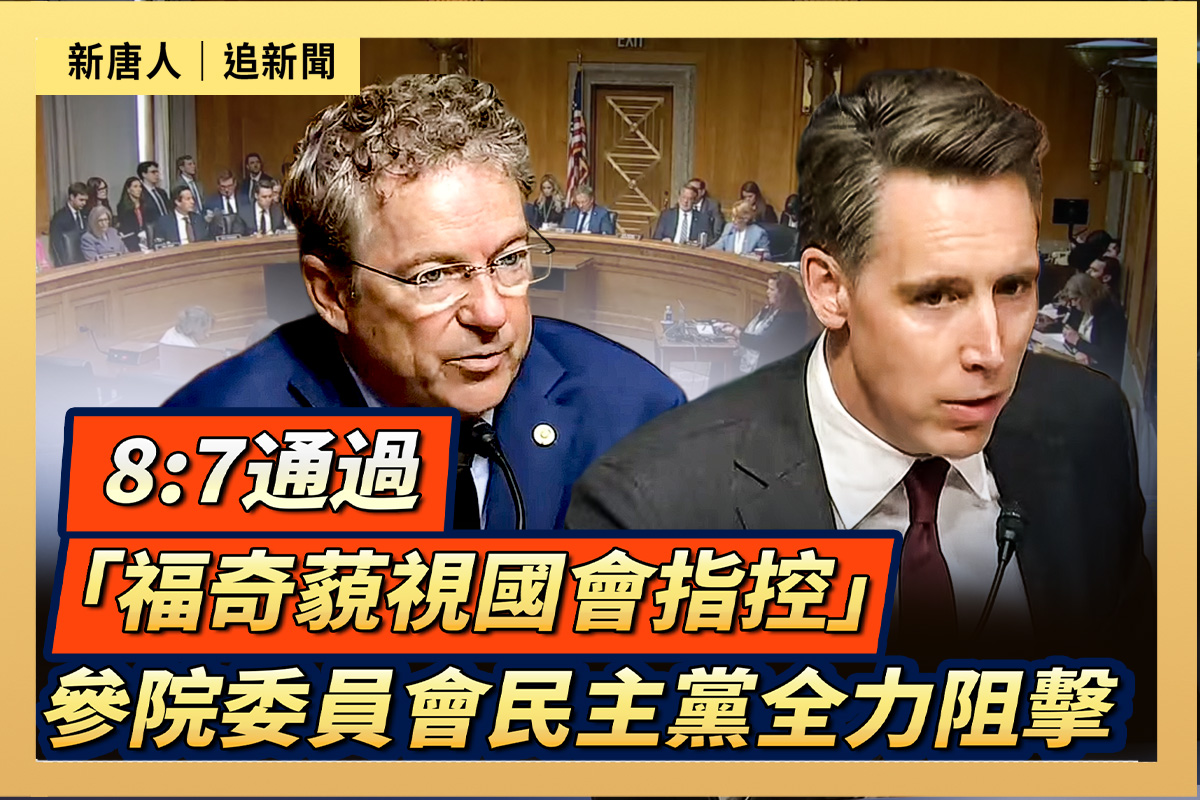
On the morning of August 6th, in Washington D.C., the U.S. Senate Committee on Homeland Security held a vote on whether Dr. Anthony Fauci should be charged with contempt of Congress. The hearing was chaired by Senator Rand Paul (Republican from Kentucky) and focused on a resolution regarding Dr. Fauci’s refusal to testify at the July 29th Senate Homeland Security Committee hearing on the origin of the COVID-19 pandemic and federal public health response measures. Dr. Anthony Fauci invoked the Fifth Amendment and refused to answer questions a total of 111 times during the hearing. The resolution aims to determine whether Dr. Fauci had shown contempt for Congress by refusing to answer subpoenaed questions. Additionally, the committee will convene a working meeting to deliberate on various legislative matters.
The vote and proceedings were live-streamed with real-time translation subtitles by New Tang Dynasty Television and Epoch Times.
The links for the live streams are as follows:
Epoch Times: https://youtube.com/live/wSACg0jWW94
New Tang Dynasty Television: https://youtube.com/live/uRdAgh3snig
Clean World: https://www.ganjingworld.com/live/1ioao31oend4CutVHiMQ998ds1k21c
This event has sparked significant public interest and debate on the accountability of public officials in addressing public health crises. The testimony and actions of Dr. Fauci have raised questions about transparency and cooperation between government officials and congressional oversight. The outcome of this vote and the subsequent committee meetings will likely have implications for future hearings and public health policy decisions.
The tension between the legislative and executive branches of government underscores the importance of upholding the principles of checks and balances in a democratic society. The role of congressional oversight in ensuring accountability and transparency in government actions is a cornerstone of the U.S. political system. The controversy surrounding Dr. Fauci’s testimony highlights the complexities and challenges of navigating public health emergencies and government responses in a polarized political environment.
As the debate continues and the committee deliberates on the implications of Dr. Fauci’s actions, it remains to be seen how this event will shape the public discourse on pandemic response, government accountability, and the role of scientific experts in informing policy decisions. The live streams provided by media outlets have allowed the public to closely follow the developments and engage in discussions on the broader implications of this hearing.