
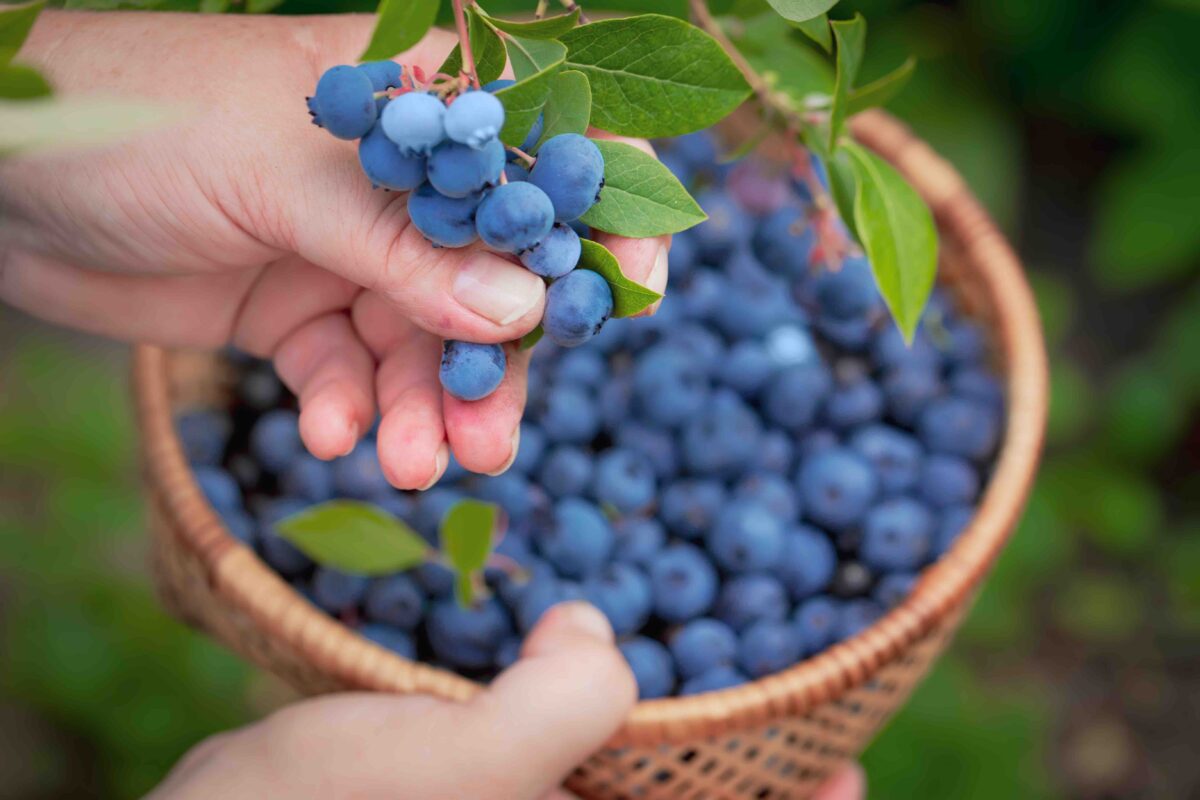
Recent research has highlighted the numerous health benefits of consuming fruits, with blueberries emerging as a particularly powerful superfood due to their high concentration of potent antioxidants. Beyond their well-known advantages in cancer and cardiovascular disease prevention, new studies suggest that blueberries may also play a role in alleviating depressive symptoms among older adults, especially those who lead sedentary lifestyles and have limited access to nature.
According to American psychotherapist Amy Morin, individuals can improve their mental well-being by engaging with nature, participating in regular exercise, or indulging in reading. However, elderly individuals who are often less active face an increased risk of depression and may find it challenging to enhance their symptoms through physical activities or outdoor pursuits.
Fortunately, a study led by researchers at Harvard Medical School indicates that for older adults at high risk of depression, daily consumption of blueberries might help mitigate depressive symptoms.
Courtney Millar, a molecular nutritionist at Harvard, explained that the aim of this preliminary study was to explore the impact of blueberry consumption on gut microbiota, metabolites, and depressive symptoms among older adults.
In this study, researchers divided 18 participants aged 65 and older into two groups. One group consumed 48 grams of freeze-dried blueberry powder daily—equivalent to about two cups of fresh blueberries—while the other group ingested an equal amount of placebo powder.
After three months, both groups demonstrated improvements in their depressive symptoms. The blueberry group saw a more significant and consistent enhancement compared to the placebo group, although the differences did not achieve statistical significance.
In their report, the researchers noted, “Although there were no significant differences in the changes in mental health between the groups, the improvement in the blueberry group appeared greater and with less variability compared to the placebo group.”
The researchers emphasized that this preliminary study was designed to test the feasibility of their intervention and gather initial data, which is essential for evaluating the statistical power of larger-scale trials in the future.
Focusing on gut bacteria, the blueberry group participants exhibited subtle changes in certain enzymes—proteins that catalyze chemical reactions—though further analysis is necessary to understand these effects fully.
It is well-established that the dietary fiber and anthocyanins (the pigments responsible for blueberries’ blue color) can influence gut bacteria, and thus, some of the changes observed in the study were expected.
The researchers concluded, “Our data represents preliminary results, and further studies are necessary to explore the relationship between blueberries, gut microbiota, and the emotional well-being of older adults.”
The findings of this study have been published in the Journal of Nutrition, Health & Aging.
In addition to dietary fiber and anthocyanins, blueberries also contain valuable nutrients such as vitamin C. Nutritionist Chen Yi-ting from Taiwan pointed out that regularly consuming blueberries has several benefits, which include promoting skin health, protecting vision, enhancing memory, and preventing urinary tract infections.
For optimal benefits, it’s recommended to consume blueberries raw, as they are low in phosphorus and potassium, and have low caloric and sugar content, making them suitable for individuals managing their weight, as well as for those with kidney disease and diabetes.
Blueberries truly stand out as a nutritional powerhouse, offering a wealth of benefits that extend beyond flavor and convenience, contributing positively to both physical and mental health.