
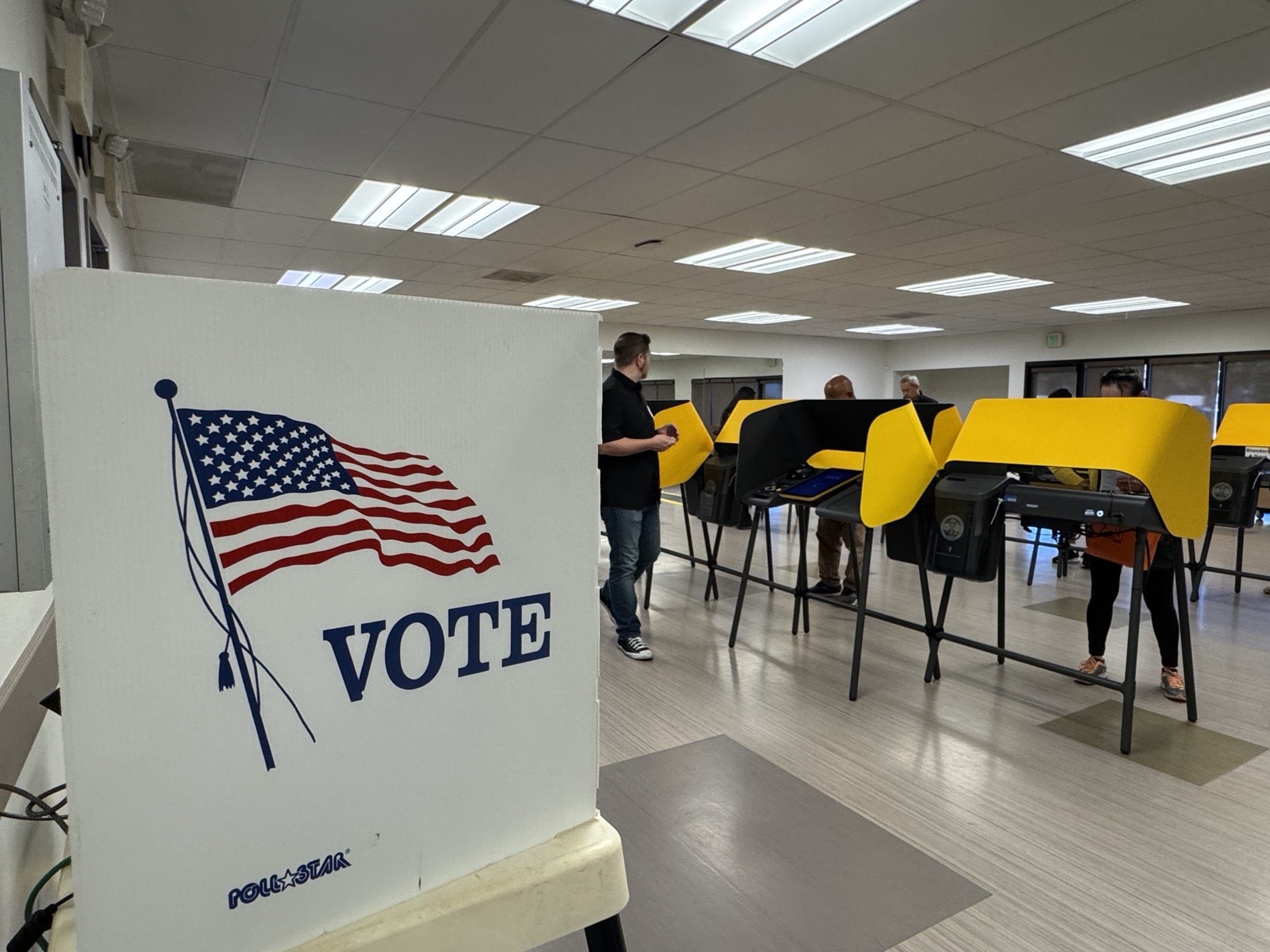
On November 3, the U.S. Department of Justice made an unprecedented announcement regarding election monitoring for the midterm elections scheduled that day. This initiative marks the largest election oversight operation in the history of the department, with approximately 1,000 personnel and observers being deployed across all 50 states for the first time.
The Department of Justice emphasized that ensuring the integrity and fairness of elections is one of its most critical missions. Since the enactment of the Voting Rights Act in 1965, various administrations have consistently dispatched election monitors. This particular operation is coordinated by the Civil Rights Division and includes staff from the division, personnel from other departments within the Justice Department, members of federal prosecutor offices, and federal observers assigned by the Office of Personnel Management. On election day, the Civil Rights Division will maintain communication with state and local election officials.
Harmeet K. Dhillon, the Assistant Attorney General responsible for the Civil Rights Division, stated, “The fairness of elections has always been a top priority for this administration and the Department of Justice. I am very proud that we are deploying the largest election monitoring operation in the history of the Department in a proactive and non-discriminatory manner to promote election transparency.”
The monitors will be responsible for ensuring that voting locations adhere to federal voting rights laws. Additionally, during election day and throughout the week, the Civil Rights Division will provide a hotline for the public to report concerns or complaints regarding federal voting rights laws. Voters can call the hotline at 1-800-253-3931 or email their inquiries to VEM@usdoj.gov.
Officials from the Department of Justice noted that the deployment of personnel is primarily targeting regions where there have been past instances of voter suppression, competitive election areas, and locations where voters might be prone to intimidation. While the statement detailed the areas to be monitored, specific polling station names or addresses were not disclosed.
In Louisiana, personnel will be stationed in East Baton Rouge, Lafayette, and Orleans parishes. Secretary of State Nancy Landry confirmed last week that she was aware of these arrangements; however, federal officials have yet to reveal the exact number of personnel or their specific locations.
In New York, monitoring personnel will be deployed in New York City, Westchester County, Kings County, Albany County, and Erie County.
New York State Attorney General Letitia James had previously issued a statement on October 27, emphasizing that, under both state and federal laws, military personnel and armed federal law enforcement officers—including those from the Immigration and Customs Enforcement (ICE), Customs and Border Protection (CBP), and Federal Bureau of Investigation (FBI)—are prohibited from entering polling places. Generally, voters are not required to show identification when voting.
However, first-time voters who fail to provide identification during registration may be required to present relevant documents, such as recent utility bills or bank statements, as substitutes for identification, or can choose to cast an affidavit ballot. James noted that such voters must subsequently contact their local election office to ensure their identification is verified.
Meanwhile, Michael Kracker, the chairman of the Erie County Republican Committee, criticized James’ statement, arguing that it could incite panic among voters and that the Democrats are politicizing this issue.
On November 2, the National Association for the Advancement of Colored People (NAACP) filed an emergency request with the U.S. District Court for the District of Columbia, seeking to block the Department of Justice from deploying federal law enforcement personnel as polling place monitors, or at the very least, to prevent them from carrying firearms, displaying badges, and engaging in law enforcement activities. The NAACP contended that deploying nearly 1,000 observers, who could include personnel from agencies such as the Bureau of Prisons (BOP), Drug Enforcement Administration (DEA), and Bureau of Alcohol, Tobacco, Firearms and Explosives (ATF), could instill fear in minority voters and constitute voter intimidation.
Judge Reggie Walton denied the emergency injunction request on the evening of November 2, citing insufficient evidence to indicate that the deployment would constitute voter intimidation as prohibited by law. Walton also instructed the Department of Justice to submit a report by 7 a.m. on November 3, confirming that all monitors would not be members of law enforcement agencies with arrest powers, and ensuring they would not wear uniforms, display federal agency insignia, carry firearms, or have arrest authority.