
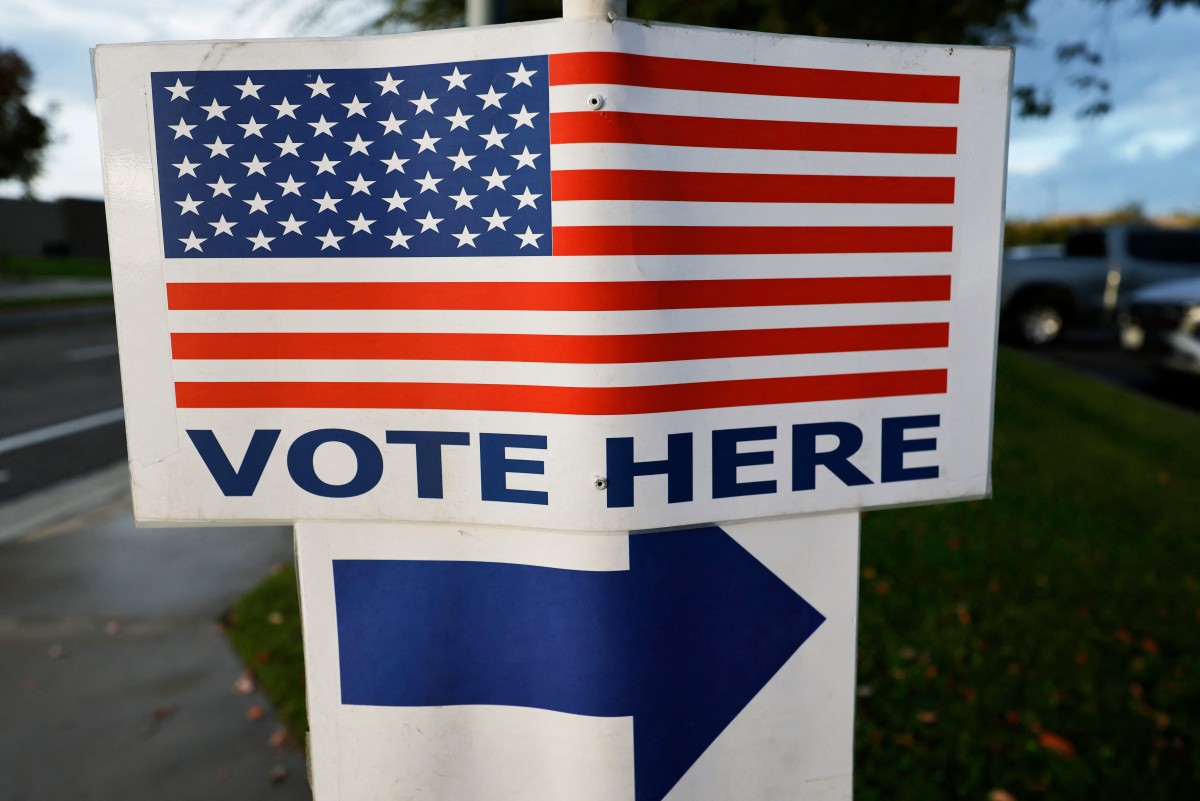
On Tuesday, November 3, 2026, the much-anticipated midterm elections in the United States took place as scheduled. According to the latest estimates from the nonprofit oversight organization OpenSecrets, the total campaign expenditure for the 2026 midterm elections reached a staggering $11.9 billion, making it the most expensive election in U.S. history.
When examining individual donor contributions, it was revealed that Elon Musk, the founder of Tesla and SpaceX, emerged as the largest personal donor of this election cycle. As of the final pre-election tally, Musk had injected an overwhelming amount ranging from $445 million to $446 million into Republican groups and super political action committees, such as America PAC, far exceeding previous estimates. California has become the battleground for wealthy individuals to reshape politics through their financial power.
Despite the historic highs in campaign funding, the voter turnout for the midterm elections was typically lower than that of the highly scrutinized presidential elections. Historical data indicates that midterm election voter turnout usually hovers between 40% and 50%. However, due to several controversial issues and the influx of exorbitant campaign funds, there was a noticeable increase in voter engagement compared to previous midterms.
Amid the contentious climate surrounding balloting initiatives like Proposition 40, California’s billionaires and business groups invested unprecedented sums in this year’s elections. Their activities went beyond merely defending against tax initiatives and extended to actively utilizing their substantial resources to steer the political agenda.
In past political contests, billionaire philanthropist Tom Steyer made headlines by spending over $215 million in an attempt to secure the governor’s office through high-priced advertising. Nevertheless, he failed to make it into the top two during the bipartisan primary elections held in June, thus disqualifying him from the finals.
Simultaneously, billionaire surgeon and inventor Gary Michelson contributed millions of dollars to promote Proposition 38, which aims to authorize state government bonds worth $8.4 billion for healthcare. A significant portion of these funds is projected to directly benefit the immunology research institute that he co-founded.
However, among all these issues, California’s wealthy elite appeared to be most focused on Proposition 40. Should this proposition pass, it would impose a one-time 5% wealth tax on the personal net assets of about 200 billionaires in the state, effective through the end of 2026. The taxation scope would not be limited to liquid cash but would comprehensively include their global assets such as stocks, bonds, private company shares, and other high-value personal properties, with provisions allowing for installment payments over five years. The Service Employees International Union United Healthcare Workers West (SEIU-UHW), which launched the proposition, estimates that the tax could generate billions of dollars, helping to bridge the gap left by federal social welfare cuts.
This initiative threatens not only individual assets but, if it sets a precedent in California, could potentially trigger similar measures in other states, fundamentally altering the asset distribution and residency choices of the affluent class.
In response to this proposed wealth tax, California’s richest individuals and business interest groups have mobilized a robust counter-campaign.
Recent state campaign finance records indicate that the opposition, through political committees like “Building a Better California,” has collectively pooled over $333 million to thwart Proposition 40. Notably, Sergey Brin, co-founder of Google, independently donated about $100 million, positioning himself as a key financial backer of the anti-tax campaign.
To avoid potential exorbitant wealth taxes, some billionaires, including fellow Google co-founder Larry Page, have been reported to have moved their tax residences out of California to states like Florida ahead of the elections.
The wealthy coalition is not merely voting against Proposition 40; they are proactively placing counter-propositions, specifically Measures 41 and 42, on the ballot. Proposition 42 explicitly states that the state shall not impose a wealth tax on financial assets, private businesses, or pensions and forbids retroactive taxation. According to California’s constitution, if the supportive votes for these countermeasures outnumber those for Proposition 40, the latter would be rendered null and void.
Furthermore, California Governor Gavin Newsom has publicly aligned himself with the billionaires, openly opposing the wealth tax proposition and endorsing the countermeasures. He stressed that a one-time wealth tax would not solve the fiscal deficit but rather provoke a mass exodus of wealthy individuals, resulting in a drastic reduction in annual income tax revenues.
In conclusion, the 2026 midterm elections exemplify the complex interplay between financial might and political influence, illuminating how the wealth of a few can substantially shape the democratic process and the future of taxation in the United States.