
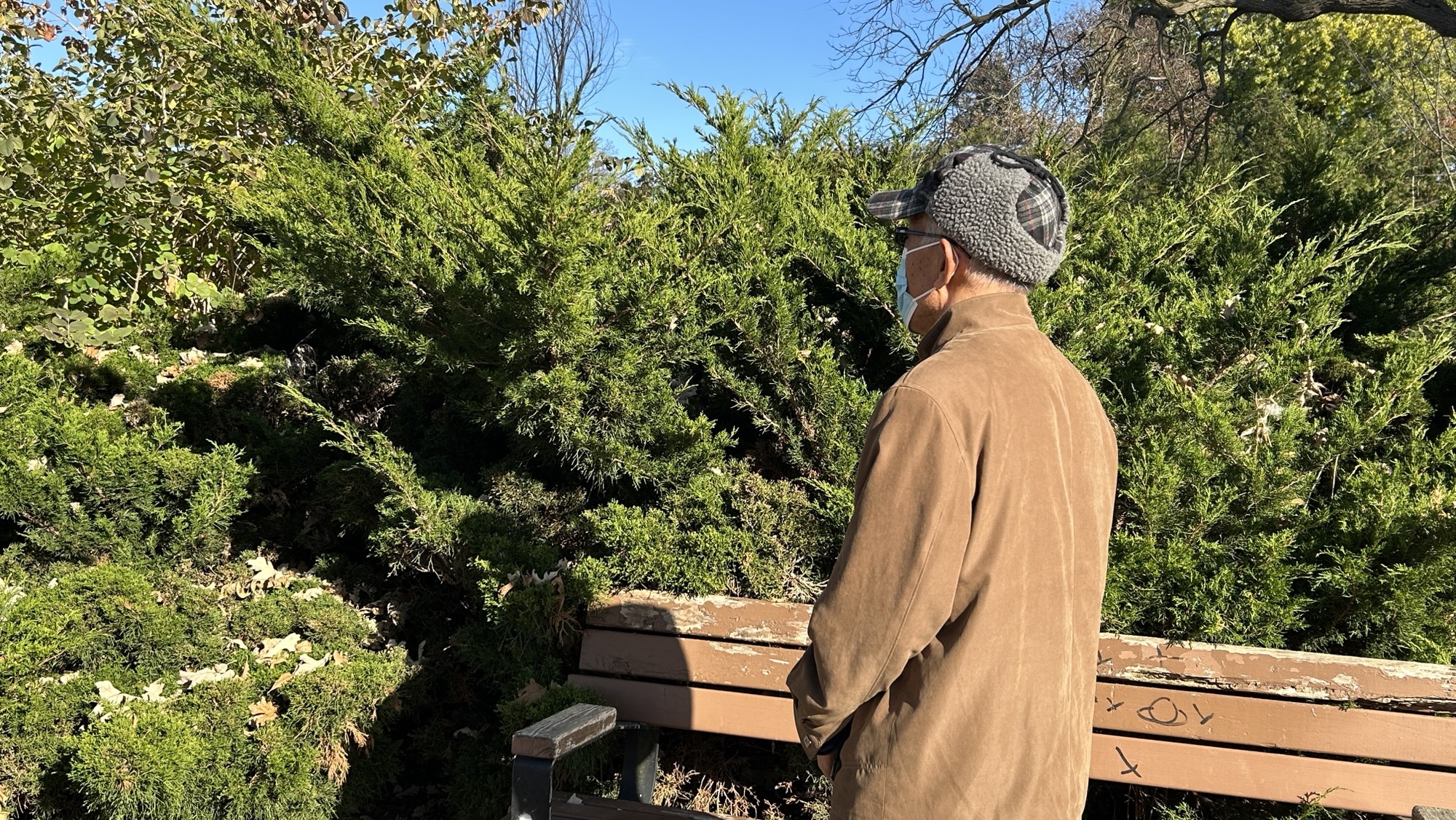
In a chilling account that mirrors the experiences of many individuals who fall victim to modern scams, Mr. Wen (a pseudonym), a septuagenarian from Toronto, found himself ensnared in a sophisticated web of deception. Two years ago, during a deep autumn afternoon, he sat alone at his computer, his screen displaying the trading platform “BTC-CC.” In a cruel twist of fate, the screen showed paper profits of over $1.6 million from gold futures. However, in stark contrast to this illusion of wealth, the reality was far grimmer: Mr. Wen’s savings had been decimated, leaving him with only CAD 396,000, which represented his lifelong dedicated savings and retirement funds.
What began as a seemingly innocuous text message quickly evolved into a months-long psychological hunt. The text, sent by a stranger, was mistakenly directed to Mr. Wen, seeking a certain “Master Chen” to discuss home renovation plans and budgets. Ignoring any sense of caution, Mr. Wen graciously replied, notifying the sender of the mistake.
Soon, the sender responded with a cordial tone, thanking him for his correction and complimenting his kindness. When the sender learned that Mr. Wen communicated in Chinese, she enquired if he was from China.
This was the beginning of an online conversation that would change Mr. Wen’s life. The sender, who identified herself as Xie Nan from Guilin, Guangxi, claimed to be living in Vancouver and working as a fashion designer. After a divorce, she was raising her daughter alone. She began sending numerous photos from her life, showcasing everything from her home and expensive sports cars to wholesome family vacations, which helped build a false sense of intimacy over time.
As their communication progressed from text messages to WeChat and then to WhatsApp, the frequency of their conversations increased dramatically. Their topics evolved from daily life, fitness, and health to deeper discussions about family. They began affectionately addressing each other as “brother” and “sister.” At one point, when a flood struck Guilin, Xie Nan even spoke of her family back home, often mentioning visits to elderly care homes.
Over these three months of back and forth, Mr. Wen, who had spent many years in solitude, began to feel a sense of emotional support from Xie Nan’s messages. As he got to know her better, she portrayed herself as a gentle, wealthy, and family-oriented woman. She eventually suggested that he sell his house and move to Vancouver to live with her, expressing desires to visit him in Toronto.
Once trust was established, Xie Nan shifted the conversation towards financial investments. She claimed that her uncle was a retired president of a major bank in Hong Kong and that she had been trading gold futures under his guidance, thus positioning herself as knowledgeable in investment strategies.
To facilitate this, she encouraged Mr. Wen to download the trading platform named “BTC-CC,” instructing him on registration and trade procedures for gold futures.
Initially cautious, Mr. Wen only transferred CAD 10,000 to test the waters. Following Xie Nan’s instructions, he soon saw his investment yield impressive returns, and the platform displayed profits that seemed almost too good to be true.
Encouraged by his initial success, he requested a withdrawal of CAD 300, which was processed seamlessly to his bank account. This outcome further alleviated his hesitations and bolstered his trust in the platform.
However, the situation took a darker turn as Xie Nan began pressuring him to invest larger sums, introducing different thresholds of investment—USD 500,000 and USD 1 million—suggesting that to realize expansive profits, he needed to contribute more.
In an effort to follow her investment strategy, Mr. Wen cashed out funds he had initially earmarked for retirement and began transferring them through electronic transfers.
As the numerical displays of gold futures on the platform soared, Mr. Wen watched with a sense of disbelief. Within just a few minutes, he claimed his virtual profits had surged by tens of thousands of dollars, with the total amount on display at one point reaching between USD 1.5 million and USD 1.7 million.
Convinced he had garnered substantial returns, Mr. Wen began plotting ways to recover his capital. However, when he finally requested to withdraw his funds, the atmosphere shifted dramatically.
The customer service representative informed him that he had accrued profits of USD 890,000 on his gold futures trades, but to unlock these assets, he needed to pay approximately CAD 246,000 in taxes first. Alarmingly, the representative insisted that these taxes could not be deducted from his account balance but required a separate deposit.
Sensing the gravity of the situation, Mr. Wen knew he might have been ensnared in a scam, yet he was determined to retrieve both his principal and the purported profits. When he mentioned that he lacked the required funds upfront, Xie Nan’s previously amiable demeanor rapidly shifted to cold urgency, urging him to take out a bank loan or find high-interest lenders to raise the necessary cash.
Under pressure, Mr. Wen sought a loan from his bank. When he revealed he could only borrow CAD 40,000, leaving him short for the taxes, Xie Nan stated that she could cover the remaining CAD 206,000 in taxes.
Nevertheless, even after making the payment, he remained unable to withdraw his funds. The platform then sent a notification claiming it had received inquiries from the Canada Revenue Agency (CRA) and cybersecurity department alleging his account was involved in “money laundering,” demanding an additional CAD 20,000 as a guarantee.
At this point, Mr. Wen found he had exhausted his resources. When he began to question Xie Nan and expressed that he no longer had any money to give, the tone shifted entirely, and she resorted to insults via messages.
It was only then that Mr. Wen comprehended that the emotional connection he had believed in and the promises of investment returns were likely fabricated lies.
On October 17, 2024, he filed a report at the 33rd precinct of the Toronto Police Service, presenting chat logs, screenshots from the trading platform, bank statements, and over thirty e-Transfer records, in hopes they would trace the whereabouts of his lost investments.
The police later informed him that the electronic accounts involved were located within Canada. In the transaction records he provided, names of recipients began to emerge: a person named Zhou in Mississauga, who received CAD 10,000, and a Gao in Vancouver, who received CAD 60,000; both of whom Xie Nan had urged him to transfer funds to.
Whether these individuals were aware of or participated in the scam remains unknown and subject to further investigation by law enforcement.
Mr. Wen related that on March 8, 2025, an officer who took over his case told him it had been escalated and forwarded to the Vancouver police for further cooperation.
Since then, Mr. Wen has persistently followed up via email and phone, seeking updates about the investigation into the accounts that received his funds. As of now, he has yet to receive satisfactory news regarding any breakthroughs in the case.
Days ago, Mr. Wen took the initiative to visit the address linked to one of the bank accounts in Mississauga to find the recipient named Zhou but met with no success.
This is not Mr. Wen’s first encounter with investment fraud. He disclosed that between 2018 and 2019, he had been part of a Chinese investment WeChat group led by a professor, which caused him to lose hundreds of thousands of RMB meant for his retirement.
A lifelong diligent man, who never wished to be in debt, Mr. Wen did not expect to fall prey to another investment scam years later. This time, the loss amounted to approximately CAD 396,000, leaving him almost devoid of his savings meant for his twilight years.
After the incident, Mr. Wen has suffered from long-term insomnia and depressive episodes, sometimes harboring thoughts of ending his life.
“I was deceived emotionally, and now I have lost all my money; during that time, I genuinely felt like I wanted to die,” he confessed.
To avoid causing worry among his family, he kept the details of the scam to himself. Currently, he lives in extreme frugality, afraid to spend money, and both his quality of life and mental state have been severely impaired.
“I reached out to the media because I hope others can learn from my experience,” Mr. Wen stated earnestly. He aims to use his story as a cautionary tale for other elderly Chinese individuals, urging them to remain vigilant about online relationships and promises of high investment returns. He encourages anyone considering investment proposals from strangers to first verify the identities and backgrounds of those involved before entrusting their retirement funds.
He also hopes law enforcement will continue to pursue leads in tracing the electronic transfers, clarifying the data behind the accounts, and ensuring that anyone involved in this fraud is held accountable.
Despite attempts to connect with the local Toronto police regarding Mr. Wen’s case, no response has been received at this time.