
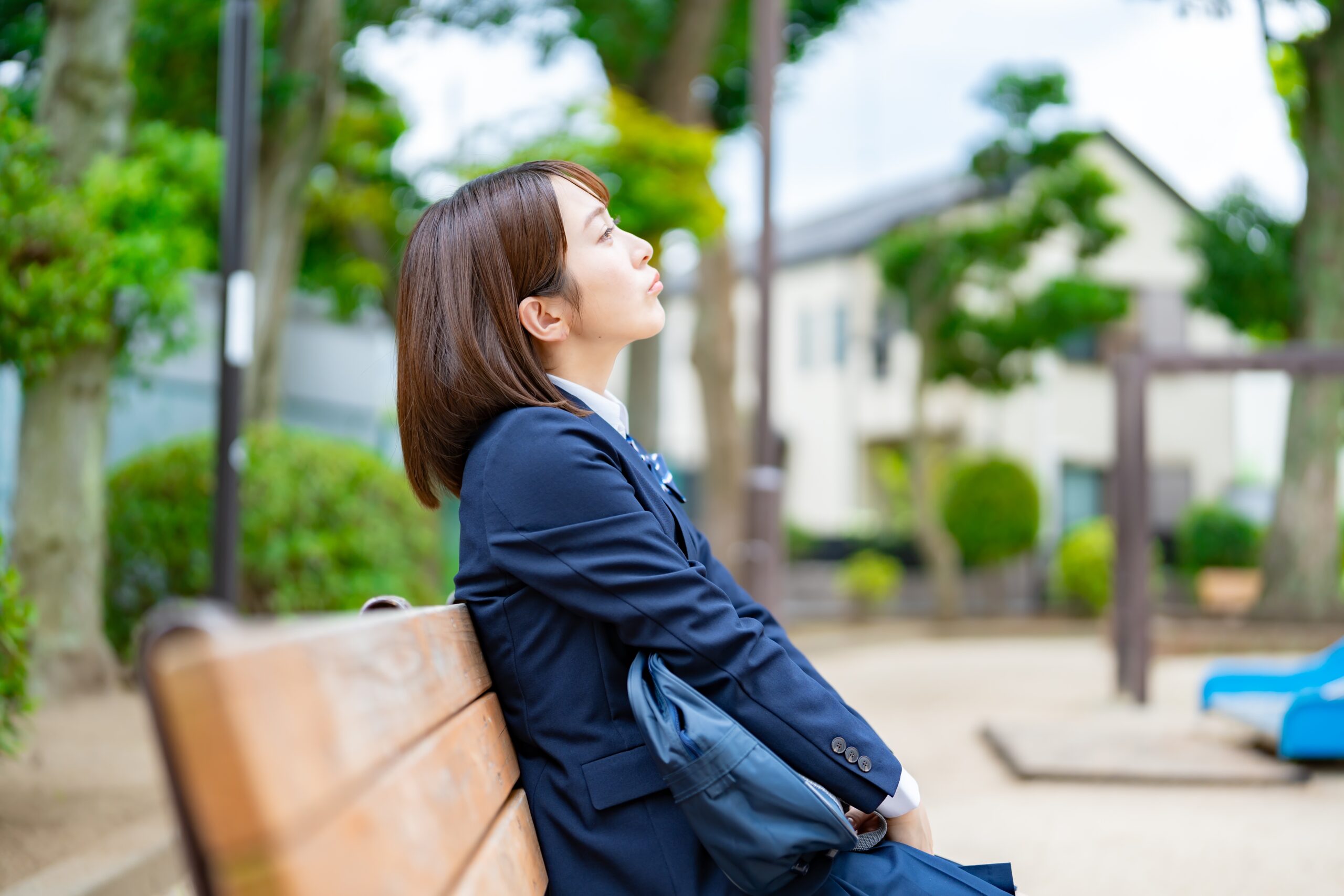
In Japan, the saying “Every nation has its laws, and every family has its rules” rings true, especially within educational institutions. Schools, much like any organization, have regulations that students are expected to adhere to. However, these rules can often seem excessively strict, and sometimes perplexing. A recent survey sought to uncover which school regulations high school students in Japan found the most absurd, particularly in light of the rebellious nature typical of adolescence.
The online platform Jukuseny, known for indexing and comparing large tutoring services, conducted a survey earlier this year involving 104 high school students from various regions across Japan. The results revealed that more than half of the participants—56.7%—felt that there were regulations within their schools that they did not agree with. Notably, approximately 70% of these students reported that the school authorities had failed to offer explanations for why these rules were deemed necessary.
Here are the five most perplexing school regulations as identified by the students in the survey. It is important to note that respondents had the option to select multiple rules, resulting in a cumulative percentage that exceeds 100%.
1. **Restrictions on hairstyles and hair colors (54.8%)**
Students have raised strong objections to schools controlling aspects such as hairstyles. Many believe these restrictions are outdated, prioritizing conformity over individuality.
2. **Ban on eyebrow grooming (48.1%)**
The students argued that prohibiting them from maintaining their eyebrows gives off an unkempt appearance. This rule has particularly distressed those who struggle with self-confidence due to their eyebrow aesthetics.
3. **Regulations on wearing uniforms (42.3%)**
Complaints arose regarding the overly detailed regulations surrounding school uniforms and their inconsistent enforcement. One female student shared her experience of being reprimanded by a teacher for folding the waistband of her skirt higher, a maneuver she undertook simply because the skirt was too loose and uncomfortable.
4. **Restrictions on the color, length, and style of socks (39.4%)**
Participants questioned the necessity of such specific regulations regarding their socks. They found the control over such minor details of attire to be utterly pointless.
5. **Limits on smartphone usage (37.5%)**
While many students agreed with the policy of prohibiting phones during classes, they found it unreasonable to extend this ban into break times or extracurricular activities, times when students might wish to communicate or take photos.
Also highlighted in the survey were additional interesting school regulations from ranks six to twelve:
6. **Restrictions on the color of underwear (36.5%)**
7. **Rules about the type and color of school bags (34.6%)**
8. **Limitations on pullovers and cardigans (34.6%)**
9. **Regulations regarding winter clothing such as coats and scarves (34.6%)**
10. **Prohibition against using sunscreen and lip balm (31.7%)**
11. **Restrictions on the number of keychains students can carry (30.8%)**
12. **Prohibition of any stops on the way home after school (27.9%)**
The survey also revealed rare and peculiar regulations existing in certain schools. Some of these include:
– Female students required to wear tights of 80 denier or thicker on graduation day.
– A mandate to express “thank you” at least ten times a day within the school.
– A ban on forming “light music” clubs, which encompassed not only orchestral styles but also modern genres like punk, rock, and J-Pop, with concerns about fostering misconduct or delinquency.
Despite frequent complaints about how these regulations seem disconnected from academic performance, a significant majority of students choose to endure these rules. About 70% acknowledged their dissatisfaction but continued to comply.
However, societal changes have prompted some Japanese high schools to amend their regulations relating to student appearance. According to a report by the Daily News, starting from the 2022 academic year, all public high schools in Tokyo have abolished the requirement for students to dye non-black hair black and lifted restrictions on underwear color.
Beyond high schools, Japanese junior high and elementary schools enforce strict regulations that sometimes come across as odd. An online survey conducted last year involving 1,749 middle and elementary school students revealed that an astonishing 79.1% reported their schools had absurd rules.
Elementary school students expressed confusion over stationery regulations that prohibited bringing scented or cartoon-themed stationery, and even automatic pencils were banned.
Junior high students often felt puzzled by rules concerning hairstyles, for instance, mandates that hair touching the shoulders must be tied up or the use of specific hair tie colors. Many schools also prohibit hair dyeing altogether.
For students who violate these rules, some schools implement a “three-warning” system, where accumulating three warnings results in counseling, and receiving three counseling sessions can lead to expulsion. Additional punitive measures may include writing letters of apology, confiscation of personal items, or even banning students from attending school until they resolve the issues at hand.