
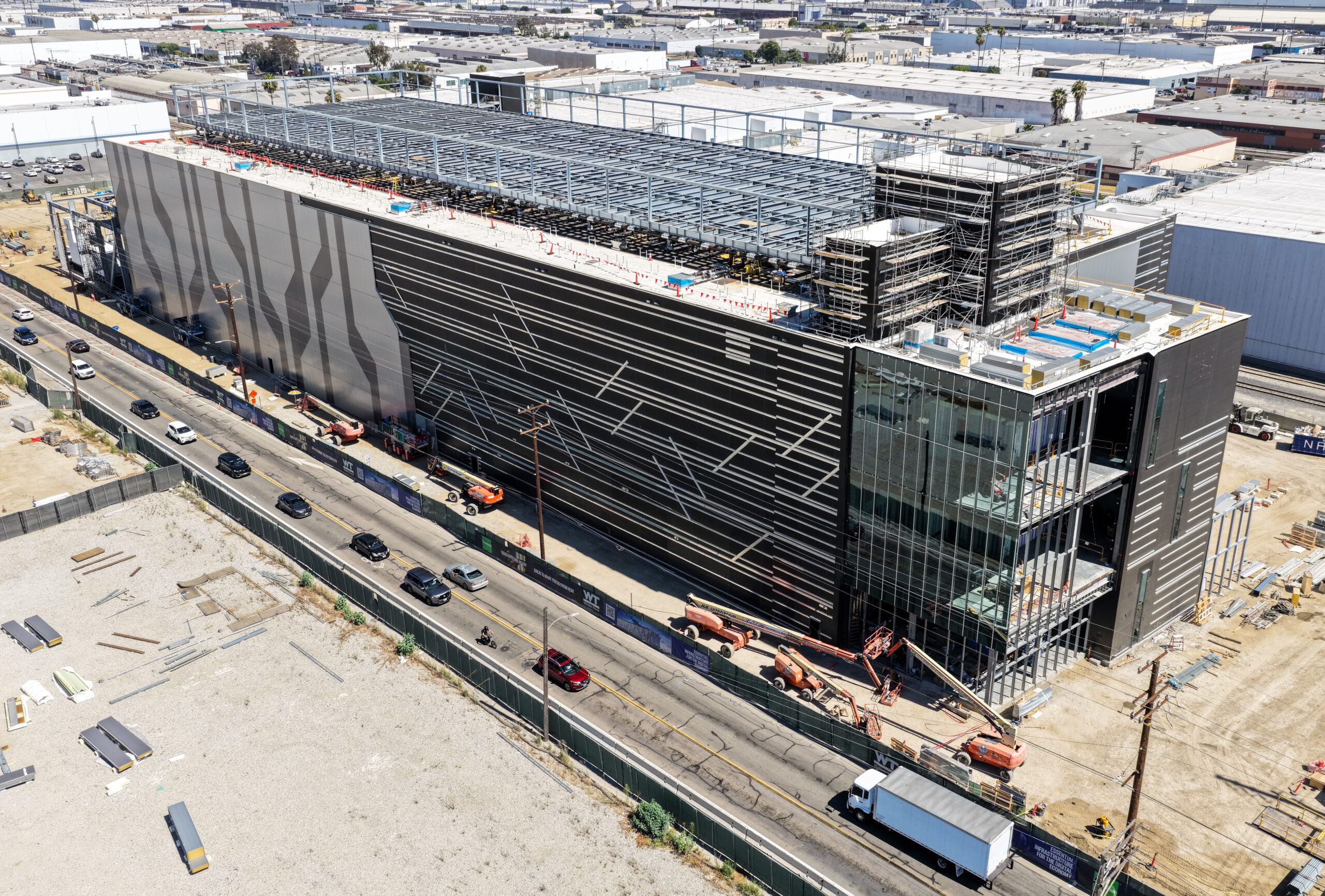
A new legislative initiative has been introduced by Eugene Vindman, a Democratic Congressman representing Virginia’s 7th congressional district. On October 29, 2026, he unveiled the Data Center Oversight Act, which mandates that proposed data centers disclose their water and electricity usage to local communities affected by these developments.
As the rapid construction of data centers and advancements in artificial intelligence gain momentum, these topics are becoming significant points of discussion as the midterm elections approach. Across the United States, residents express increasing concerns over the potential impact such data centers could have on their daily lives.
According to a news release issued by Congressman Vindman, the Data Center Oversight Act requires the Department of Energy’s Energy Information Administration to gather and make public comprehensive information regarding both existing and proposed data centers. This includes essential details about ownership, the amount of electricity and water consumed, and any costs associated with utilities that may be passed on to customers.
Furthermore, companies involved in these projects must clarify whether any facility owners have signed nondisclosure agreements with public officials, whether union workers participated in the construction of the facilities, and whether these centers are situated within 1,000 feet (approximately 300 meters) of schools, national parks, hospitals, or residential areas.
The news release also indicates that companies failing to provide necessary information or submitting incomplete reports might face hefty fines—up to $1 million per day—for misleading disclosures or omissions.
Vindman emphasizes that this legislation will equip communities and policymakers with vital knowledge about the rapidly evolving data center industry. He underscored the right of residents in Virginia to know who is building data centers in their neighborhoods, the amount of electricity and water these facilities consume, and whether the associated expenses are being transferred to residents through significantly increased utility bills.
He stated, “As data centers continue to expand in Virginia, the public needs clear and reliable information to understand how this expansion will impact local communities, infrastructure, and household costs. This knowledge will empower them to make informed decisions about data center developments and hold relevant companies accountable.”
In addition to the Data Center Oversight Act, Vindman also proposed the Make Data Centers Pay Act earlier in October. This legislation seeks to amend the Federal Power Act, which governs wholesale electric sales, transmission, and hydropower regulation. It suggests that medium and large data centers—those consuming 20 megawatts or more—should bear the total incremental costs of the electricity required to service their operations.
In a previous statement, Vindman remarked, “Hardworking Americans should not be burdened with higher electricity rates merely to subsidize some of the largest and most energy-intensive data centers in the world.”
Virginia has gained the moniker “Data Center Alley” due to the dense concentration of global data centers within its borders. However, like many states, these projects often face significant opposition from local residents. In Prince William County, a large-scale development plan was put on hold following strong backlash from community members and environmental organizations.
A recent survey conducted by the Pew Research Center in September revealed a growing negativity among the American public regarding the environmental and economic ramifications posed by data centers since the beginning of the year. The issues surrounding data centers are becoming increasingly salient in the electoral landscape, with politicians from both parties closely monitoring these developments and weighing their pros and cons.
As the midterm elections draw nearer, the spotlight on data centers is likely to intensify, reflecting the public’s desire for transparency and accountability regarding these impactful projects.