
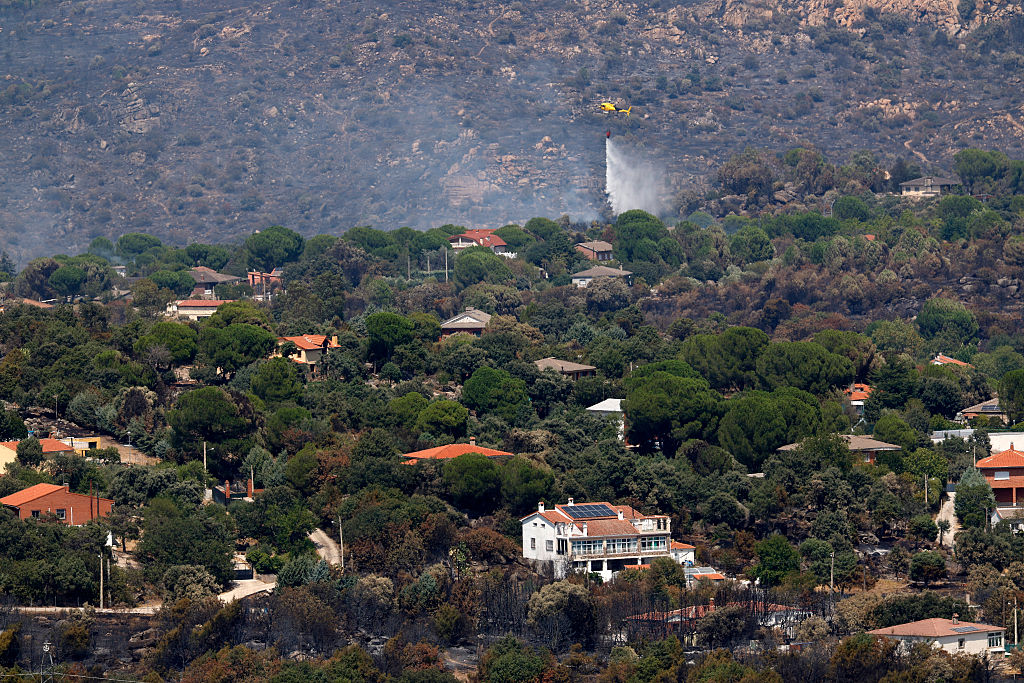
The European Union’s climate monitoring agency, Copernicus Climate Change Service (C3S), has stated that Western Europe has faced unprecedented heatwaves this summer, with June and July breaking the all-time record for highest average temperatures set in 2022, leading to increased drought and wildfires.
According to reports from the Associated Press, extreme heat has been affecting Western Europe since May, resulting in numerous large-scale forest fires, drought, and record-breaking temperatures in multiple countries. Experts predict that the heatwave could lead to thousands of heat-related deaths.
From a global perspective, climate statistics show that 2026 is the third hottest year on record so far, following only behind 2024 and 2025.
Scientists have warned that ongoing global warming, combined with the developing El Niño phenomenon, could elevate temperatures for the rest of 2026. It is possible that 2026 could become the hottest year on record or at least come very close to the record set in 2024.
The Copernicus Climate Change Service reported that the average sea surface temperature between 60 degrees north and south latitudes in non-polar oceans (areas without seasonal sea ice) reached the highest value on record for July.
The organization noted that this sea temperature record was partly influenced by the developing El Niño phenomenon in the Equatorial Pacific. The average sea surface temperature in non-polar oceans in July was 20.96°C (69.73°F), surpassing the previous record of 20.89°C (69.60°F) set in 2023.
The report from the Copernicus Climate Change Service stated that the global average land surface temperature in July was 16.90°C (62.42°F), making it the second warmest July on record, tied with 2024.
At the same time, the agency highlighted that the combined average temperature in Western Europe for June and July was 21.62°C (70.92°F), setting a new record for the hottest period in that timeframe.
Samantha Burgess, Climate Change Director at the European Centre for Medium-Range Weather Forecasts, stated, “Continued high-pressure systems are trapping heat over Western Europe, exacerbating extreme temperatures and widespread drought. As the soil dries out, its ability to provide natural cooling through evaporation diminishes, allowing heat to accumulate more easily.”
“This clearly illustrates how climate change intensifies extreme heat, with heatwaves and droughts increasingly reinforcing each other,” she added.