
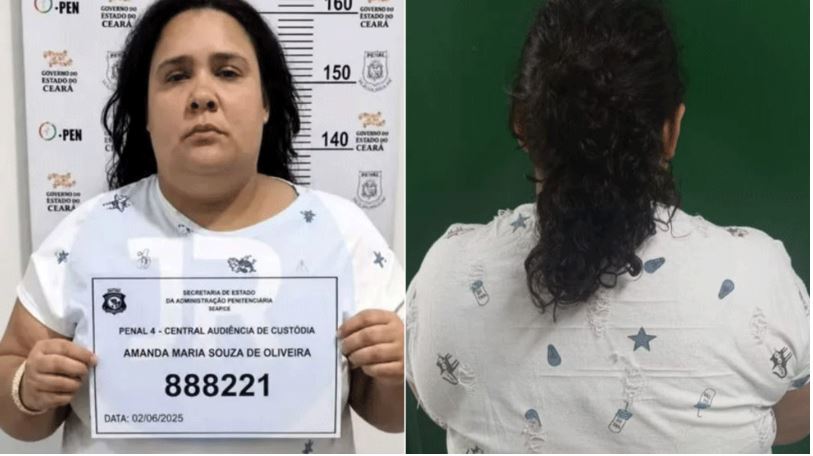
In Brazil, a 37-year-old woman pretended to be a 12-year-old girl and lived with a family for about 14 months, receiving care. She was convicted of fraud and identity theft on August 20 in Joinville, Santa Catarina.
According to a press release from the justice department of Santa Catarina, the woman, Amanda Maria Souza de Oliveira, lived under the alias “Gabriele” and claimed to be a 12-year-old girl who had been abused and needed care. She was taken in by a family in Joinville and lived with them for approximately 14 months, during which she received accommodation, food, medication, and other care.
On August 20, she was convicted of fraud and identity theft and sentenced to 1 year, 6 months, and 10 days of imprisonment, along with 4 months and 18 days of detention. Her defense attorney stated that they would file an appeal.
Court documents revealed that Oliveira admitted to using a false name and age. Evidence presented in the case included a forensic report on the confiscated phone, testimony from the deceived family and witnesses, and the defendant’s admission of using a false identity. The court determined that she deliberately misled others about her false identity and maintained this deception for a period of time.
As reported by The Washington Post, Oliveira used a childlike voice and items such as a baby bottle and pacifier to maintain her facade as a minor. She claimed to have been abused by her father in her childhood and forced to undergo hormone injections, which altered her appearance to seem more mature.
Police stated that Oliveira admitted to using similar tactics in other parts of Brazil to seek adoption. According to Brazil’s G1 news website, she mentioned cases in Curitiba, Nova Iguaçu, Minas Gerais, Goiás, and Ceará in her testimony; authorities also investigated two other cases in Florianópolis and Chapecó in Santa Catarina.
Oliveira’s defense lawyer, Lúcio Sousa, acknowledged that Oliveira fabricated her identity but questioned the validity of the fraud charges, arguing that her main motivation was to seek love rather than financial gain. However, the court found her guilty based on the fact that she received accommodation, food, medication, and care from the family that took her in.
In her statement to the police, Oliveira expressed that she did not intend to defraud or harm anyone but admitted to deceiving and lying to others. She said, “I have a deep feeling of emptiness inside me and need that kind of love, so I always seek that love.”
After the verdict, Sousa posted a statement on Instagram, announcing that the defense would take legal action and file an appeal with the higher court. The case is still subject to appeal according to the law.