
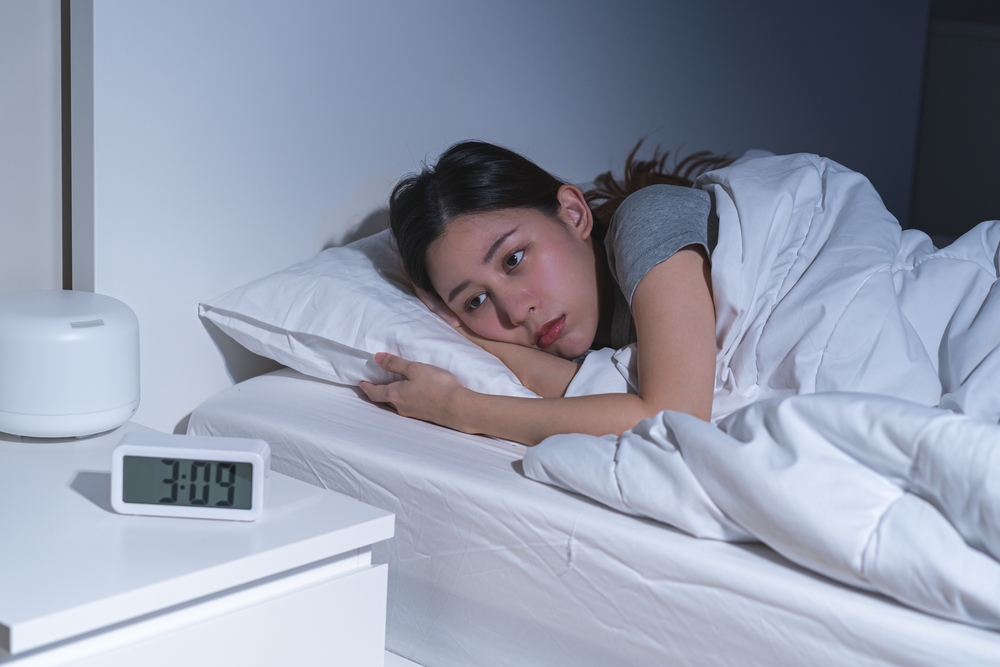
Many people experience difficulties sleeping on the first night in a new environment, such as when moving to a new home or staying in a hotel while traveling, even if there is no jet lag involved. This well-known phenomenon is scientifically referred to as the “first night effect.” So, why does this phenomenon occur?
According to a report by the Associated Press, Anna Wick, a senior sleep researcher at the University of Freiburg in Germany, stated that the “first night effect” has been confirmed by dozens of studies. Researchers believe that this is the brain’s reaction to maintaining vigilance in an unfamiliar environment.
Ahmad Mayeli, a psychiatry professor at the University of Pittsburgh in the United States, mentioned that the majority of people go through the “first night effect.” Even those who are unaware of it may still experience this phenomenon to some extent. On average, people sleep 20 to 30 minutes less in an unfamiliar environment.
Mayeli’s research found that during this phenomenon, the brain’s frontal lobe, which is associated with deep sleep stages, tends to be more active, indicating that the brain is in a state of alertness. In other words, not only is the duration of sleep reduced, but the depth of sleep is also shallower.
He likened it to dolphins, as a part of the human brain remains alert during sleep. Although the situation is not entirely the same as dolphins, research indeed shows that certain areas of the brain have less sleep.
He mentioned that age plays a vital role. This phenomenon is more noticeable in children, teenagers, and the elderly, and tends to worsen with age. Individuals in their twenties are least affected.
He speculated that the brain might be inherently vigilant in unfamiliar environments because historically, these places have been perceived as dangerous for rest.
He added that whether in a luxury hotel or out in the wilderness, the brain does not actually perceive these places as absolutely safe.
Wick pointed out that there is evidence to suggest that this phenomenon disappears after the first night.
According to a report from Medical News Today, a study conducted by researchers at Brown University revealed that on the first night in a new environment, the sleep depth on the left side of the brain is significantly lower than the right side. The sleep patterns of the two hemispheres are not balanced and exhibit distinct patterns.
One of the primary indicators of the “first night effect” is the time it takes for an individual to fall asleep. The study indicated that the duration of this time depends on the asymmetry between the left and right hemispheres of the brain. In other words, the greater the difference in brain activity between the two sides, the longer it takes for an individual to fall asleep.
Researchers also found that the left hemisphere of the brain is more sensitive to external auditory stimuli during sleep. Faced with random noises, the left hemisphere produces a stronger response and participants are more easily awakened. However, when the same participants were retested on the second night, this sensitivity in the left hemisphere disappeared.
Lisa Strauss, a psychologist specializing in cognitive behavioral therapy for sleep disorders, told the Associated Press that various factors, other than instinctual vigilance, can affect a person’s sleep in an unfamiliar environment.
Travel itself can have a negative impact on sleep, even within the same time zone. Environmental factors can also cause disruptions, such as the flashing smoke alarm indicator in a hotel room. Additionally, interpersonal tensions, like visiting distant relatives, can also have an influence.
She mentioned that some people may find themselves sleeping better on the first night in a new place after a long day of travel or being in an environment that temporarily relieves daily stress.
Furthermore, individuals who typically have sleep problems at home may actually sleep better in a new environment because they do not associate this new setting with past experiences of insomnia.
She explained that although anyone can experience the “first night effect,” individuals prone to anxiety are particularly susceptible to it.
Strauss recommended taking common measures to combat the “first night effect,” such as going to bed at the same time every night in a cool, dark room, following a consistent bedtime routine, and turning off electronic screens early before sleep. By adopting these practices a few days or weeks before an important event or trip, the effects can be particularly significant.
She suggested spending some time on a new bed before going to sleep, adapting to and creating a personalized environment. Reading or engaging in calming and familiar activities can help reduce the unfamiliarity of the environment. Bringing along familiar items, such as a favorite pillow or blanket, is also beneficial.
For individuals with heightened anxiety, Strauss advised them to mentally imagine being in a safe, familiar natural environment, like their favorite hiking trail or beach, to alleviate excessive alertness.
Mayeli stated that people should not worry too much about the “first night effect,” as occasional sleep loss of one or two hours can be easily recovered. However, for important meetings or events, he recommended arriving a day early to adapt to the new environment.