
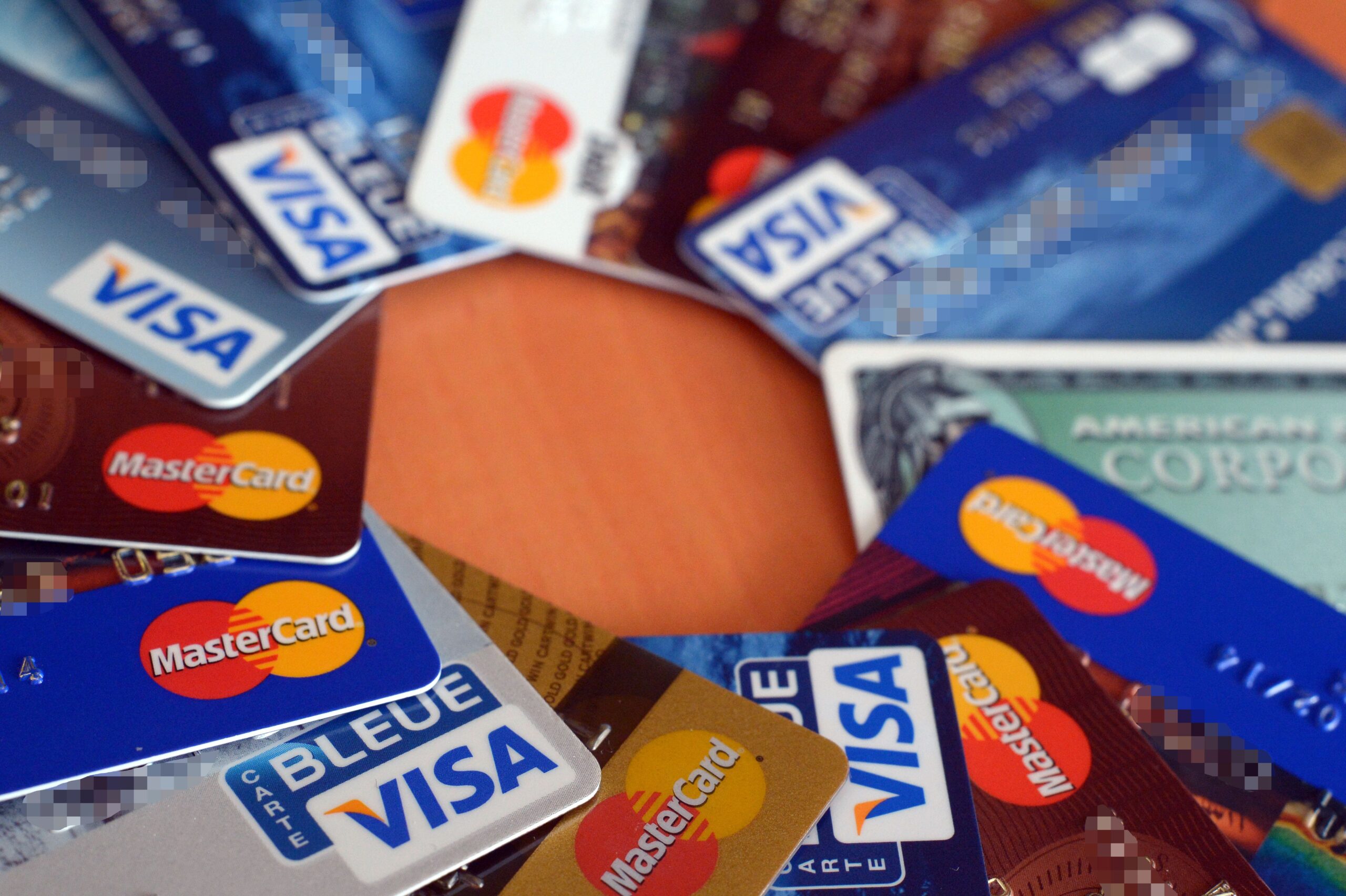
On Tuesday, August 11th, a new quarterly household debt report released by the Federal Reserve Bank of New York revealed that by mid-2026, credit card balances in the United States had risen to $1.26 trillion. Some households are experiencing increasing debt pressures, demonstrating a K-shaped distribution.
In the second quarter, credit card balances increased by $21 billion compared to the previous quarter, reaching $1.26 trillion, nearing the historical peak of $1.28 trillion set last year. On a quarterly basis, credit card balances grew by 1.7%.
Researchers at the Federal Reserve Bank of New York pointed out in a blog post that the proportion of credit card balances that are more than 90 days overdue jumped from 7.6% in the first quarter to 12.8% in the second quarter. They stated that the rapid increase in this indicator is approaching levels seen since the Great Recession, sparking concerns about Americans defaulting on their debts. The Great Recession refers to the economic downturn triggered by the financial crisis in August 2007.
However, researchers cautioned during a conference call on Tuesday that this indicator is a lagging one, which may include debts that are still listed on credit reports but have already been written off. Therefore, this data does not fully reflect the current situation of new defaults.
Nevertheless, the indicator of new credit card delinquency rates, which measures the recent risks, remains high. Researchers found that in the past year, 6.97% of credit card balances shifted from regular repayments to delinquency. This indicator differs from the “percentage of balances that are over 90 days overdue” in its statistical approach: the former assesses the occurrence of new delinquencies while the latter reflects the stock of seriously overdue balances at a certain point in time.
Researchers noted that this aligns with the current K-shaped economic situation and pointed out that many American households are living paycheck to paycheck.
Families with better income and asset conditions still maintain stronger consumption and repayment capabilities, while some low-income or cash-strapped households rely more on credit to sustain their daily expenses, falling into the category of living paycheck to paycheck.
Approximately 175 million Americans hold credit cards. Data from the Federal Reserve Bank of New York indicates that while some pay their full balance each month, around 60% of people carry revolving debt, meaning they do not pay the full balance by the due date and incur interest. These households are more sensitive to income fluctuations, rising living costs, and interest rate changes.
Matt Schulz, Chief Credit Analyst at LendingTree, stated that the increase in credit card debt, home mortgages, and other personal loans suggests that consumers are seeking borrowing options to cope with ongoing inflation.
Other reports indicate that home loans have accounted for a larger proportion of borrowing this year.
A report from the debt management company Achieve reveals that over half (55%) of consumers use credit card balances to cover basic living expenses.
Brad Stroh, Co-founder and Co-CEO of Achieve, mentioned in a statement that short-term debt may initially serve to temporarily fill gaps in household budgets, but as living costs rise and interest accumulates, debt could quickly put sustained pressure on household balance sheets and budgets.
In a June survey of 2,000 consumers conducted by the company, 56% of borrowers stated that it would take six months or longer to repay all credit card debt.