
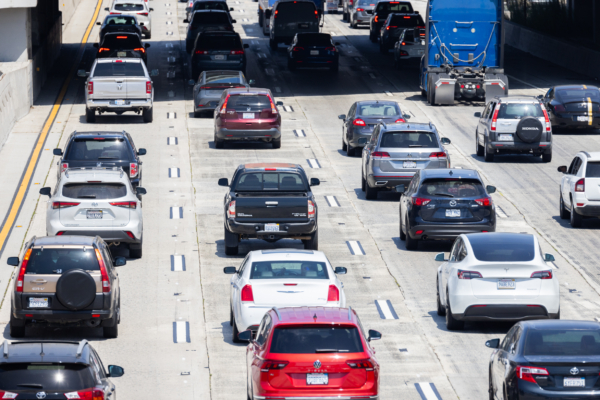
The automotive valuation company Kelley Blue Book (KBB) has stated that in the first half of 2026, consumer interest in hybrid cars and SUVs in the United States has reached a new high, while interest in electric vehicles has slightly declined.
This finding is based on KBB’s brand observation survey report for the first half of 2026.
In a statement released on August 4, KBB mentioned that among the respondents, 22% of car buyers listed hybrid cars as a consideration during the first half of this year, marking a “new high” compared to 20% a year ago, while only 10% considered electric vehicles, lower than the 11% in the first half of the previous year.
According to the survey report, the top five electrified vehicle models that consumers were considering purchasing were all hybrids, with Toyota RAV4 Hybrid, Honda CR-V Hybrid, Subaru Forester Hybrid, and Toyota Camry Hybrid taking the first four spots, of which the first three are also SUVs.
Among the top 10 most considered vehicle models by consumers, 9 were hybrids, with 7 of them being SUVs. The only all-electric vehicle on the list was Tesla’s Model Y, classified as an SUV and ranking fifth. Out of the 10 models, 5 were from Toyota, all of which were hybrids.
The report indicated that the main factors driving consumer consideration of electrified vehicles were durability and reliability, followed by safety, driving comfort, fuel efficiency, and affordability.
In the non-luxury vehicle market, consumer consideration of SUVs has reached a historic high, with 71% of respondents stating they had considered purchasing such vehicles. In the luxury vehicle market, this proportion was even higher at 79%, also setting a record.
Cox Automotive, the parent company of KBB, stated in a press release on July 10 that the development of the US electrified vehicle market in the first half of 2026 increasingly showed a trend towards hybrid vehicles.
Cox Automotive mentioned, “Persistently high gasoline prices continue to support the demand for high fuel-efficient vehicles, and automakers are expanding the hybrid vehicle options across more product line-ups.”
The company explained, “In certain cases, models that previously offered traditional gasoline powertrains now only offer hybrid versions, further driving the continued growth of this market.”
Consumer interest in hybrid vehicles has continued the trend from the previous year. A statement by the US Energy Information Administration (EIA) on February 9 reported an increase in the market share of hybrid vehicles in 2025, while electric vehicle sales declined.
A survey conducted in March by the Pew Research Center showed that Americans were more likely to seriously consider purchasing hybrid vehicles than electric vehicles.
In the survey, 32% of respondents said they were “very/somewhat” likely to seriously consider electric cars in future purchases. In comparison, 44% said they would consider hybrid vehicles.
The survey also indicated that those who were “not very/not at all” likely to consider electric vehicles were more numerous than those not considering hybrid vehicles.
California is actively promoting electric vehicles. The state announced last month that it would offer a $3,500 rebate for first-time electric vehicle buyers.
However, a report released by the California New Car Dealers Association (CNCDA) in July showed that consumer interest in electric vehicles in California was declining compared to hybrid vehicles.
According to the CNCDA report, in the first half of 2026, hybrids accounted for 22.1% of new light vehicle registrations in California, while zero-emission vehicles, including electric cars, only represented 15.9% of new registrations.
In a statement on July 20, the CNCDA highlighted that the 22.1% market share was the highest ever recorded for hybrids in the data series of the report. Over the past four years, the market share of hybrids in the new car market in California has been increasing annually.
CNCDA Chairman Jessie Dosanjh mentioned in the statement, “Californians are buying vehicles that fit their budgets and driving styles. Currently, this translates to a high demand for hybrid vehicles.”