
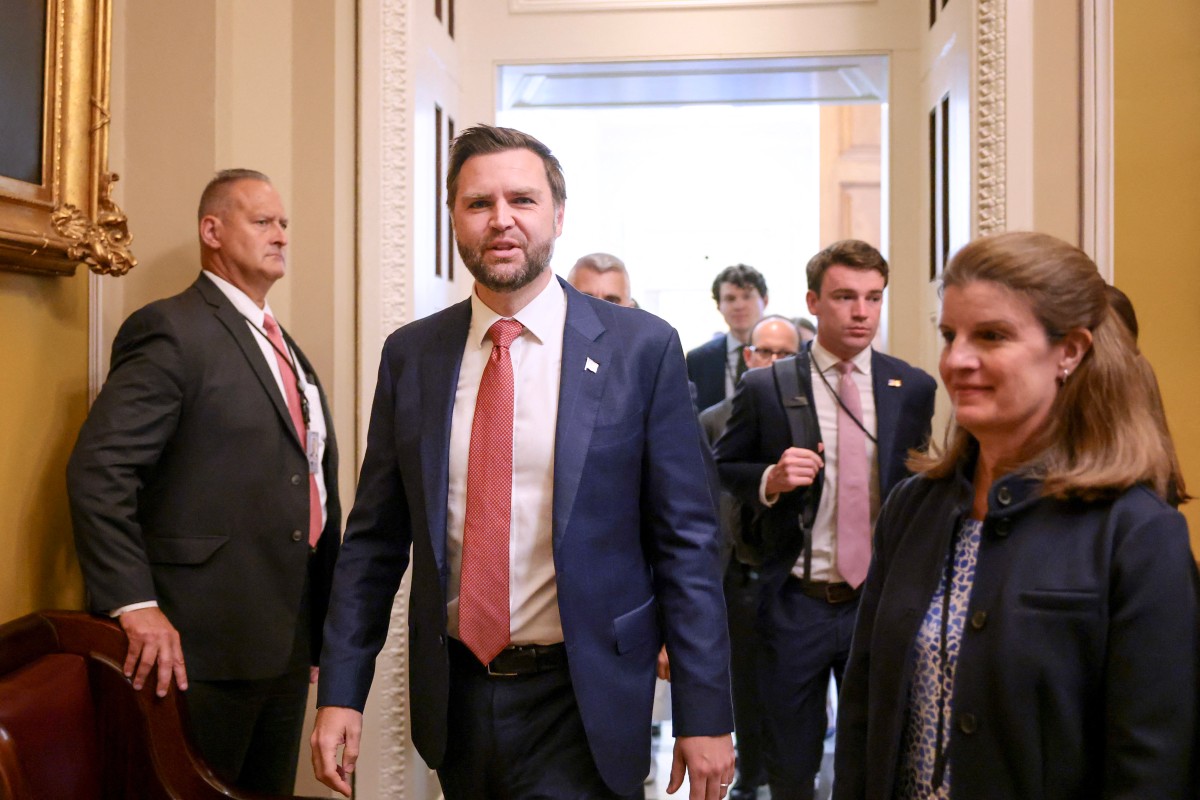
On Saturday, Vice President Harris stated that the United States is currently at a critical juncture in dealing with the Iranian issue. Regarding the resolution of the situation, Harris mentioned in an interview on Fox News program “Saturday in America,” that ongoing dialogues with Iran are essential. Efforts are being made to facilitate the export of as much oil and natural gas as possible through the strategic Strait of Hormuz, which is currently a top priority.
Reflecting on the actions taken so far, Harris emphasized the destruction of Iran’s nuclear program, conventional military forces, and a significant weakening of their asymmetric military capabilities. The focus now lies on trying to understand whether Iran is willing to make long-term changes that are necessary for improving relations with the United States.
If Iran is not willing to cooperate, Harris assured that the pressure from the United States will continue to ensure the export of more oil and gas from the Middle East, ultimately benefiting American consumers with lower gasoline and energy prices. He described the current situation as a delicate game where every move is crucial.
Harris emphasized that the United States is utilizing various means, including diplomacy, economy, and military strategies, to secure the best outcome for the American people. Despite expressing confidence in reaching the ultimate goal, he underscored that the country is currently in the middle of this complex scenario.
When asked about acceptable solutions to the issue of the Strait of Hormuz in the interview, Harris outlined that the expectation is to see oil and gas exports in the Gulf region restored to pre-conflict levels. Iran has indicated their willingness to comply with this, and the entire Gulf Cooperation Council shares the same desire. However, Harris reaffirmed the need for verification, stating that actions speak louder than words.
Regarding potential toll fees in the Strait of Hormuz, Harris addressed concerns raised within the Iranian system. While Iran has communicated that there are no plans to impose fees, the United States remains vigilant and will closely monitor the situation to verify actual developments.
In conclusion, the United States hopes for Iran’s commitment not to open fire on commercial ships, emphasizing the importance of maintaining peace and security in the region. However, tensions persist as Mohammad-Bagher Zolghadr, Secretary of Iran’s Supreme National Security Council, warned that the reopening of the Strait of Hormuz hinges on the correction of US behavior. The situation remains fluid, with both sides carefully navigating the complexities of international relations.