
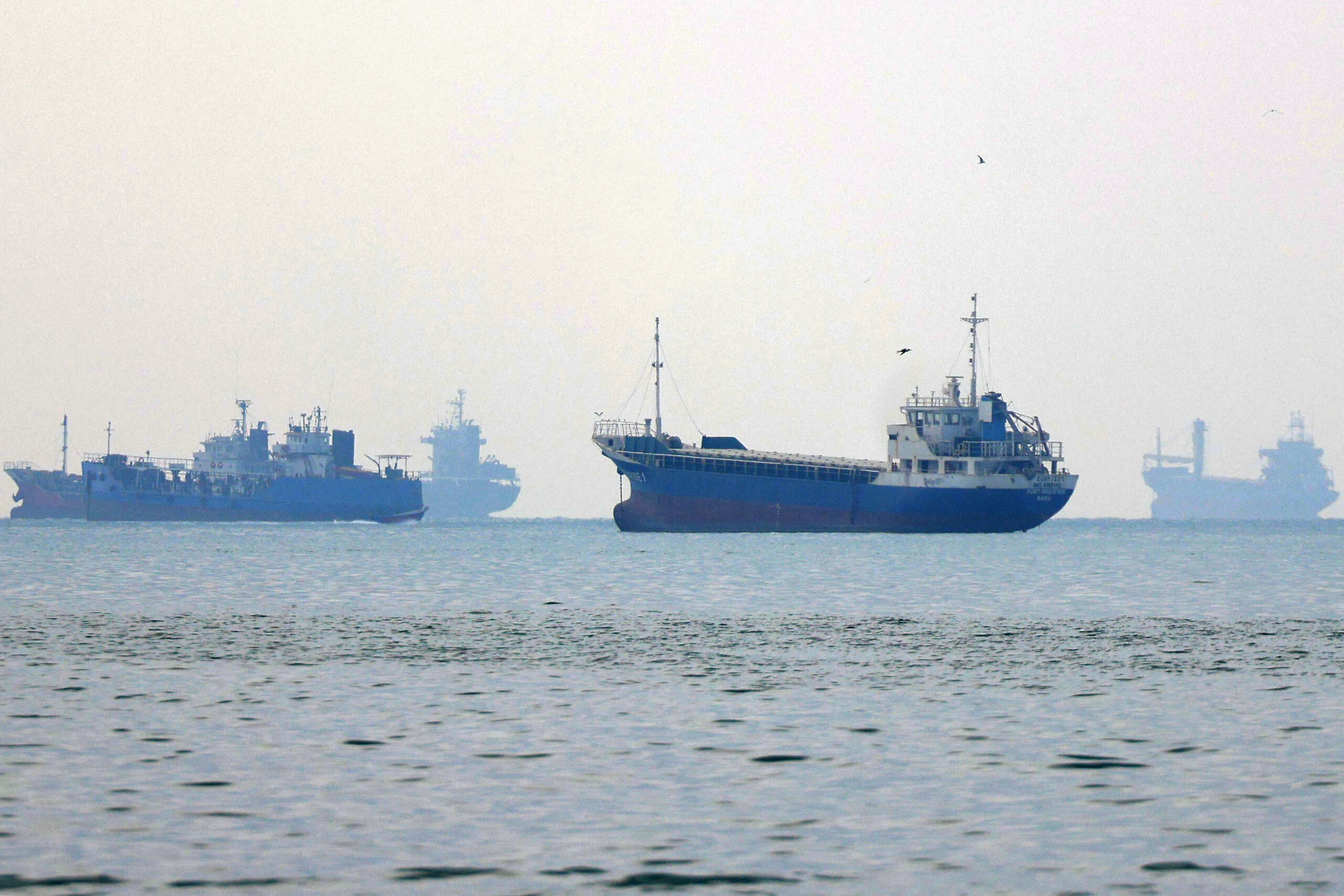
Iran and Qatar officials have engaged in discussions for the third consecutive day, focusing on negotiating an agreement aimed at ending the ongoing conflict between the United States and Iran. As the markets closely monitor the progress of these diplomatic efforts, international oil prices experienced a decline exceeding 2.5% during the Asian trading session on November 2nd. Despite this drop, reports surfaced about attacks on tankers in the Strait of Hormuz, indicating that risks to energy supply remain unresolved.
As of approximately 10:40 AM Taiwan time on Monday, Brent crude futures fell by 2.60%, priced at $110.48 per barrel, while U.S. West Texas Intermediate (WTI) crude futures decreased by 2.81%, reaching $101.19 per barrel. In October, Brent crude registered a cumulative rise of 13.6%, settling at a six-month high by the end of the month. The market is still vigilant regarding potential escalations in the Middle East situation following the U.S. midterm elections on November 3rd.
Iranian Foreign Minister Abbas Araqchi noted on Sunday that discussions are “ongoing and making progress,” aimed at continuing consultations with Qatari mediators. He stated that Tehran is prepared for both “defensive and diplomatic” avenues.
Tim Waterer, chief market analyst at KCM Trade, commented, “After a strong rise last week, oil prices have experienced a technical correction this morning.”
He highlighted that the market is anticipating some form of diplomatic advancement, which, combined with the absence of significant military escalations over the weekend, has temporarily eased the pressure on rising oil prices. Waterer cautioned that if tensions surrounding Iran escalate after the midterm elections, Brent prices might approach $120 per barrel.
Although tankers transiting through the Strait of Hormuz have been attacked, contributing to an increase in global energy and shipping costs, two out of three vessel tracking companies have indicated that Saudi Arabia’s crude oil exports in October saw an increase compared to September. This comes as Iran-aligned Houthi forces in Yemen have repeatedly targeted Saudi energy facilities.
On Sunday, the Organization of the Petroleum Exporting Countries (OPEC) and its allies, including Russia, decided to maintain their production targets unchanged for December. The continuous disruption of oil exports due to the ongoing conflict in Iran leads the market to expect no further policy adjustments from the organization before next year.
While international oil prices have retreated, global stock markets remain influenced by concerns over large investments in artificial intelligence (AI). The tech-heavy Nasdaq index fell nearly 7% in October, marking its worst monthly performance since April 2025, when tariffs triggered a market crash.
Goldman Sachs projects that capital expenditures from major cloud service providers will nearly double to $800 billion this year. However, the earnings per share (EPS) growth rate for S&P 500 index constituents may decelerate from nearly 30% this year to 18% next year.
Ben Snider, Goldman Sachs’ chief U.S. equity strategist, emphasized, “Earnings growth remains robust, but the pace is no longer accelerating.”
Investors are eagerly awaiting Apple’s quarterly financial report, which analysts anticipate will show earnings of $2 per share and revenue of $113 billion. The market hopes that Apple’s performance can alleviate some of the pressures facing technology stocks.
Asian stock markets demonstrated mixed performance on Monday. During morning trading, South Korea’s KOSPI index increased by approximately 1.5%, recovering from a 16% drop in October. Meanwhile, Japan’s Nikkei 225 saw a decline of about 0.3%. Around 10:54 AM, Taiwan’s weighted index fell by around 438 points, a decline of nearly 1%, dipping below the 45,000-point mark. In contrast, Hong Kong’s Hang Seng index and the Shanghai Composite index experienced slight increases.