
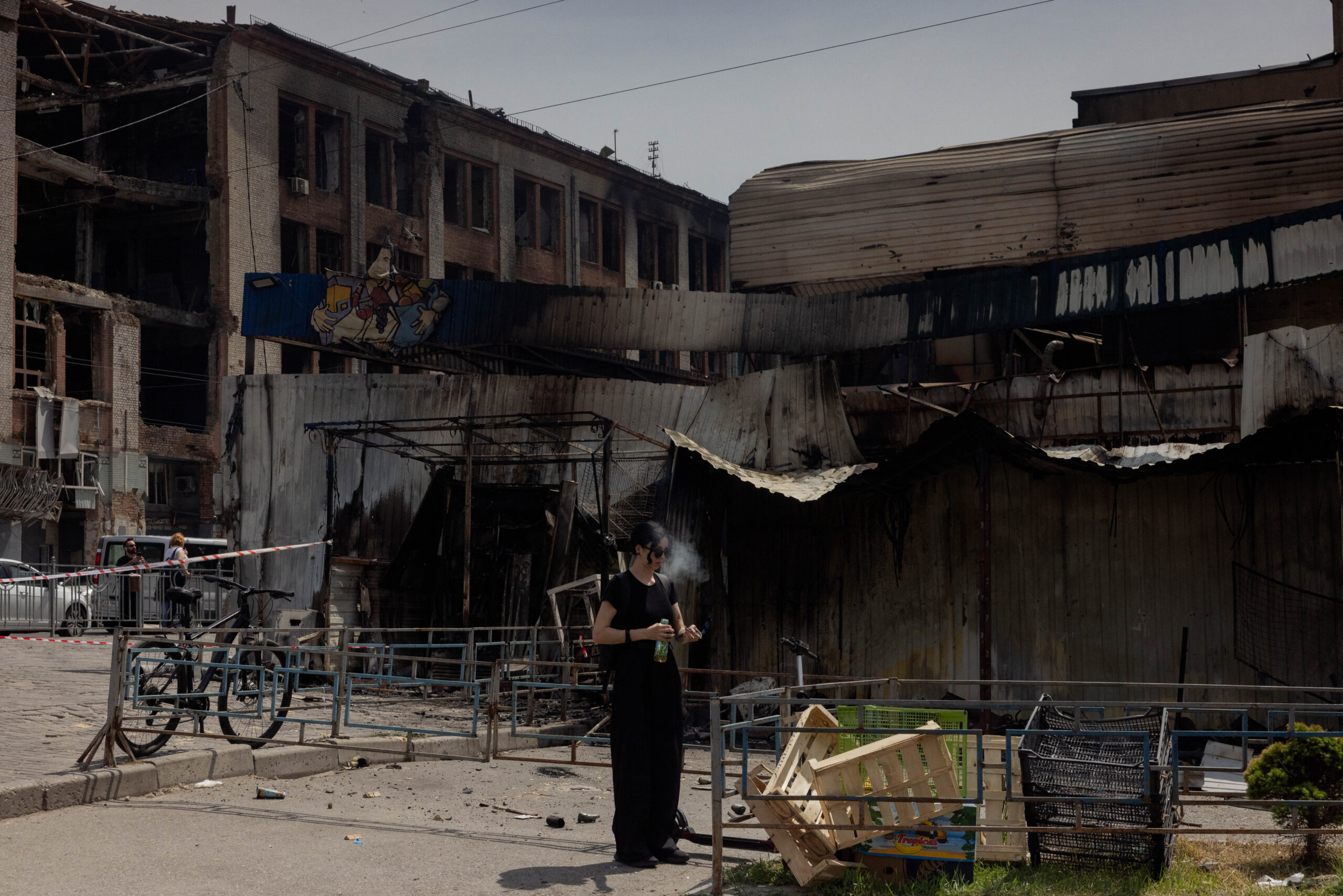
The ongoing conflict between Russia and Ukraine has lasted for four and a half years, resulting in significant casualties on both sides and a large number of men fleeing their respective countries. The military forces of both nations are under strain, with increasing tension, prompting the recruitment of foreign nationals.
The Ukrainian army is currently facing a serious shortage of troops, as most willing volunteers have already enlisted and existing forces are exhausted from prolonged fighting. To address this issue, Ukraine has started recruiting Chinese nationals, who are now joining the ranks to bolster the military.
Given that China is Russia’s largest ally, the involvement of Chinese nationals in the Ukrainian army conflicts with the agenda of the Chinese Communist Party (CCP). Therefore, these recruitments are being conducted discreetly to avoid unnecessary complications, with both the Ukrainian army and Chinese volunteers opting to remain anonymous during interviews with the media.
One Chinese member of the Ukrainian army, using the alias Tim, revealed to The Guardian that his parents send him monthly care packages, including his favorite Chinese Dragon Well tea. The commander in charge of recruiting Chinese nationals, codenamed Muse, emphasized that the primary mission is to ensure the safety of these soldiers while also protecting their families.
Muse disclosed that his unit previously recruited five Chinese men, but they were pressured by the CCP to return to China after extensive training. Unfortunately, due to this exposure, more Chinese soldiers among the current group of about 12 may opt to withdraw.
Ukraine currently has approximately 16,000 foreign troops, accounting for less than 3% of its total military personnel. Former Ukrainian Defense Minister Mykhailo Fedorov had initiated reforms to streamline the enlistment process for foreigners before being dismissed in July. He had predicted that the proportion of foreign citizens in frontline or assault units could reach 50%.
However, challenges exist for Chinese nationals joining the Ukrainian army, as they face pressure and scrutiny from the CCP. While Chinese law does not explicitly forbid citizens from joining foreign militaries, individuals applying to fight in Ukraine have faced inquiries from Chinese security agencies regarding their activities in the conflict zone.
Despite public advisories urging Chinese citizens to stay away from armed conflict regions and avoid military involvement, China has been supplying Russia with significant military and economic support during the Russia-Ukraine conflict. This contradiction between public statements of neutrality and actual support to Russia has raised concerns and fueled suspicions.
There are apprehensions that Chinese soldiers within the Ukrainian army could potentially provide military intelligence to the CCP. While some Ukrainian military officers are cautious about recruiting Chinese nationals, Muse remains undeterred, citing the urgent need for manpower. He highlighted the strong work ethic of Chinese individuals and their efficiency in performing tasks.
Chinese volunteers generally discover recruitment opportunities through social media and word-of-mouth channels to join Muse’s unit. Recruitment involves background checks by Ukrainian authorities, with Muse entrusting primary interview and screening responsibilities to Tim. During interviews, Tim prioritizes applicants who support Ukraine’s democratic principles and sovereignty and possess effective communication skills, rejecting those harboring anti-China sentiments.
The stories of Chinese volunteers in the Ukrainian army vary, with motivations ranging from seeking adventure and supporting democratic ideals to responding to online attacks from suspected Russian actors and facing potential repercussions in China. Despite the challenges they face, many of these volunteers remain committed to staying and assisting Ukraine.
These Chinese volunteers acknowledge the strict scrutiny imposed by the CCP and anticipate difficulties returning home in the future due to their involvement in the conflict. Some have opted to leave Ukraine out of fear following the loss of Chinese comrades in attacks, while others have chosen to remain steadfast in their commitment to the cause.
Apart from mainland Chinese nationals, Taiwanese individuals have also joined the conflict in Ukraine. Retired servicemen and military enthusiasts from Taiwan have been noted to have joined the Ukrainian International Volunteer Army, undertaking various tasks such as infantry, reconnaissance, and drone operations.
Notable among Taiwanese volunteers is former Taiwan Marine Corps member Li Cheng-ling, who joined the Ukrainian International Volunteer Army in 2022 to conduct reconnaissance and anti-armor weapon training on the frontline. While Li expressed personal motivations for participating in the conflict, he clarified that his actions were not on behalf of Taiwan.
The Taiwanese Ministry of Foreign Affairs confirmed the death of a Taiwanese volunteer named Zeng Sheng-guang in Ukraine in November 2022, the first officially recognized case of a Taiwanese volunteer casualty. In 2024, another Taiwanese volunteer named Wu Zhong-da was killed by Russian artillery fire.
As of February this year, Taiwanese volunteers are still active in Ukraine, with one volunteer revealing insights into the shift towards drone-centric warfare on the Russia-Ukraine frontline. Reports indicate that some volunteers, including a Hong Kong national, have been injured in drone attacks.
The Taiwanese government does not encourage its citizens to travel to Ukraine. The Taiwan Ministry of Foreign Affairs has maintained a Level 4 red travel advisory for Ukraine since April, urging Taiwanese individuals to refrain from visiting the conflict zone.