
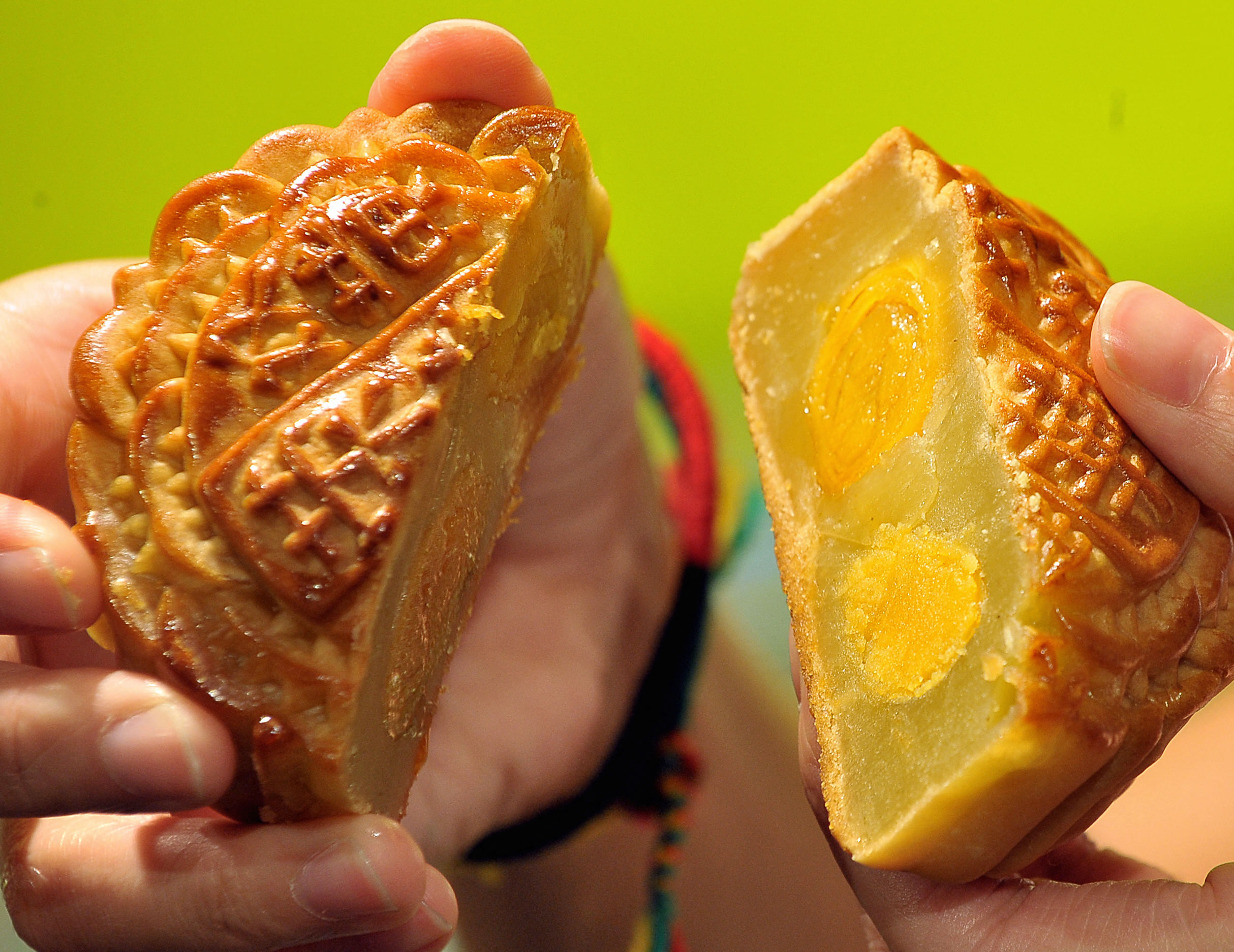
After the Mid-Autumn Festival, unsold mooncakes in mainland China are being taken off the shelves one after another. A feed mill in Hebei province claimed that the price for recycling five-nut mooncakes is about 1000 yuan per ton, while fruit-filled and red bean paste mooncakes are around 800 yuan per ton. They mentioned that the recycled mooncakes will be processed into animal feed. In the past, there have been cases of old mooncake fillings re-entering the food market, raising doubts about whether all recycled mooncakes are indeed turned into animal feed.
According to a report by “China News Service,” a chain supermarket in Beijing promoted mooncakes before the Mid-Autumn Festival with deals like “buy one, get one free.” Staff members mentioned that the unsold products will be returned to the manufacturers.
A mooncake manufacturer in Henan province stated that the remaining goods within their shelf life will be sold at a low price to nearby supermarkets or outlets for near-expiration foods, with further discounts to continue after the festival.
Regarding expired and near-expiration mooncakes, an unnamed feed mill in Hebei mentioned that they regularly recycle leftover mooncakes, biscuits, and similar food items, but they do not accept products that are moldy or have an unusual odor. The recycling price for five-nut mooncakes, due to containing ingredients like peanuts and melon seeds, is about 1000 yuan per ton; while fruit-filled and red bean paste mooncakes are around 800 yuan per ton.
The factory explained that after the mooncakes are received, they undergo processes such as crushing, drying, and nutritional testing, then they are mixed with other ingredients to produce animal feed. Another recycler also noted that mooncakes may be purchased by them first before being resold to feed mills.
In 2001, Nanjing Guanshengyuan Food Co., Ltd. was exposed for dismantling unsold mooncakes from the previous year, taking out the fillings, stir-frying and refrigerating them, then using them the following year to produce new mooncakes, some of which had already turned moldy. After the incident was exposed, the company faced difficulties in operations and eventually entered bankruptcy liquidation at the end of 2001, officially declared bankrupt in March 2002.
In 2012, Shanghai Pampas Food Co., Ltd. was found to be peeling expired returned mooncakes, mixing old fillings with new fillings for reproduction. According to related court documents, 6,994 kilograms of mooncakes had been sold to more than ten units. The company was fined 1 million yuan, and 5 executives were sentenced to 5 to 6 years in prison.
In 2013, an investigation revealed that a food workshop in Henan was acquiring leftover mooncakes and processing them into snacks like “fruits,” primarily sold in rural markets. When asked about the issue of expired mooncakes, the workshop manager even said, “It’s not a big deal if it’s expired, it won’t kill anyone.”
Regarding this year’s recycled mooncakes, “China News Service” cited the recycler and feed mill explaining the processing procedures, but did not disclose the names of the interviewed companies, nor did they display complete records of specific batches of mooncakes from purchase, transportation, processing, to sales.
The related information has sparked skepticism among netizens. Some questioned, “Where do the mooncakes returned to the manufacturers end up?” while others speculated, “The expired mooncakes that were recycled might be stored in freezers and sold next year.”
Some netizens mocked, “Just change the date and sell them next year.” Others suspected that the mooncakes, once crushed, could be remade into pastry fillings. There were also doubts raised by netizens about the suitability of mooncakes as feed, with one asking, “Mooncakes are so sweet, is it good to use them as feed?”