
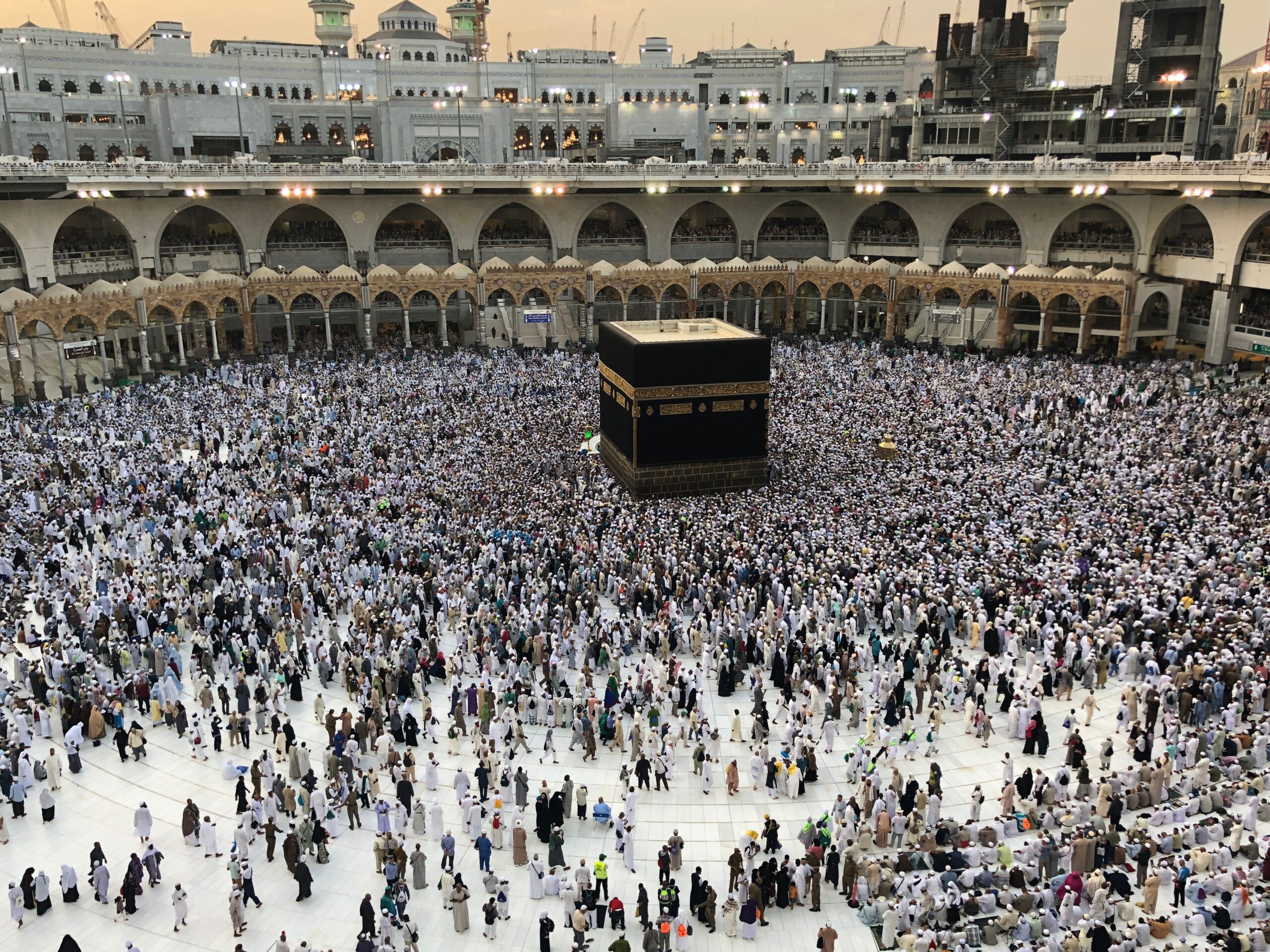
Saudi Arabia stated on Wednesday that its air defense forces shot down a drone before it entered the restricted airspace of Mecca. The Saudi-led coalition accused Houthi rebels of launching the drone and warned that the security of the region is a “red line,” although the Houthis denied targeting Mecca.
According to the coalition spokesperson, Major General Turki al-Malki, the Saudi air defense forces intercepted and destroyed the drone south of Mecca on Tuesday evening at 6:50, before it breached the restricted airspace. This was the second attempted attack on Mecca by the Houthis since a ballistic missile incident in July 2017.
In 2017, the Houthis were accused of firing a ballistic missile named “Burkan-1” towards Saudi Arabia, which was intercepted near Taif, approximately 69 kilometers from Mecca. The Houthis admitted launching the missile, but claimed their target was the King Fahd Air Base in Taif, not Mecca.
Al-Malki stated in a press release on Wednesday, “This can only be described as a shameful act, an attempt to target the place of revelation, the place of mission, and the destination cherished by millions of Muslim hearts worldwide.”
He emphasized that the security of the holy sites and pilgrims is a red line, and the joint forces will take necessary and deterrent measures against the Houthi militia and their hostile and terrorist activities.
However, Houthi political bureau member Mohammed al-Farah denied targeting Mecca, calling the Saudi claims “outright lies” through the Houthi-controlled Saba News Agency.
The day before the Mecca incident, the Saudi coalition reported that Houthi rebels had launched ballistic missile and drone attacks on Khamis Mushait, Abha, and Taif, injuring 13 civilians with mild to moderate injuries and damaging seven houses and two cars.
The Saudi Civil Defense Department briefly issued “potential danger” warnings to six cities including Jeddah, Yanbu, Taif, Abha, Jazan, and Alula before declaring the danger was averted.
Houthi military spokesperson Yahya Saree claimed that Saudi warplanes had carried out 54 airstrikes in five Yemeni provinces in the previous 24 hours and warned that these actions “would not go without a response.”
The Houthis also claimed a major missile and drone attack on the King Khalid Air Base in Khamis Mushait.
Tensions in Yemen have escalated recently, with the Houthis gaining more control along the Red Sea coast and expanding influence near the strategic global shipping route of the Bab el-Mandeb Strait, increasing pressure on Saudi oil exports and international shipping.
Meanwhile, the key East-West Pipeline in Saudi Arabia was closed due to another attack, attributed to a pro-Iran group based in Iraq rather than the Houthis. The 1,200-kilometer pipeline serves as a vital alternative route for Saudi crude oil shipments to the Red Sea amid disruption in shipping through the Hormuz Strait.
Saudi Arabia has not announced when the pipeline will resume operations, but U.S. Energy Secretary Chris Wright mentioned in a CNBC interview on Tuesday that crude oil should be able to flow through the pipeline again within a few days.