
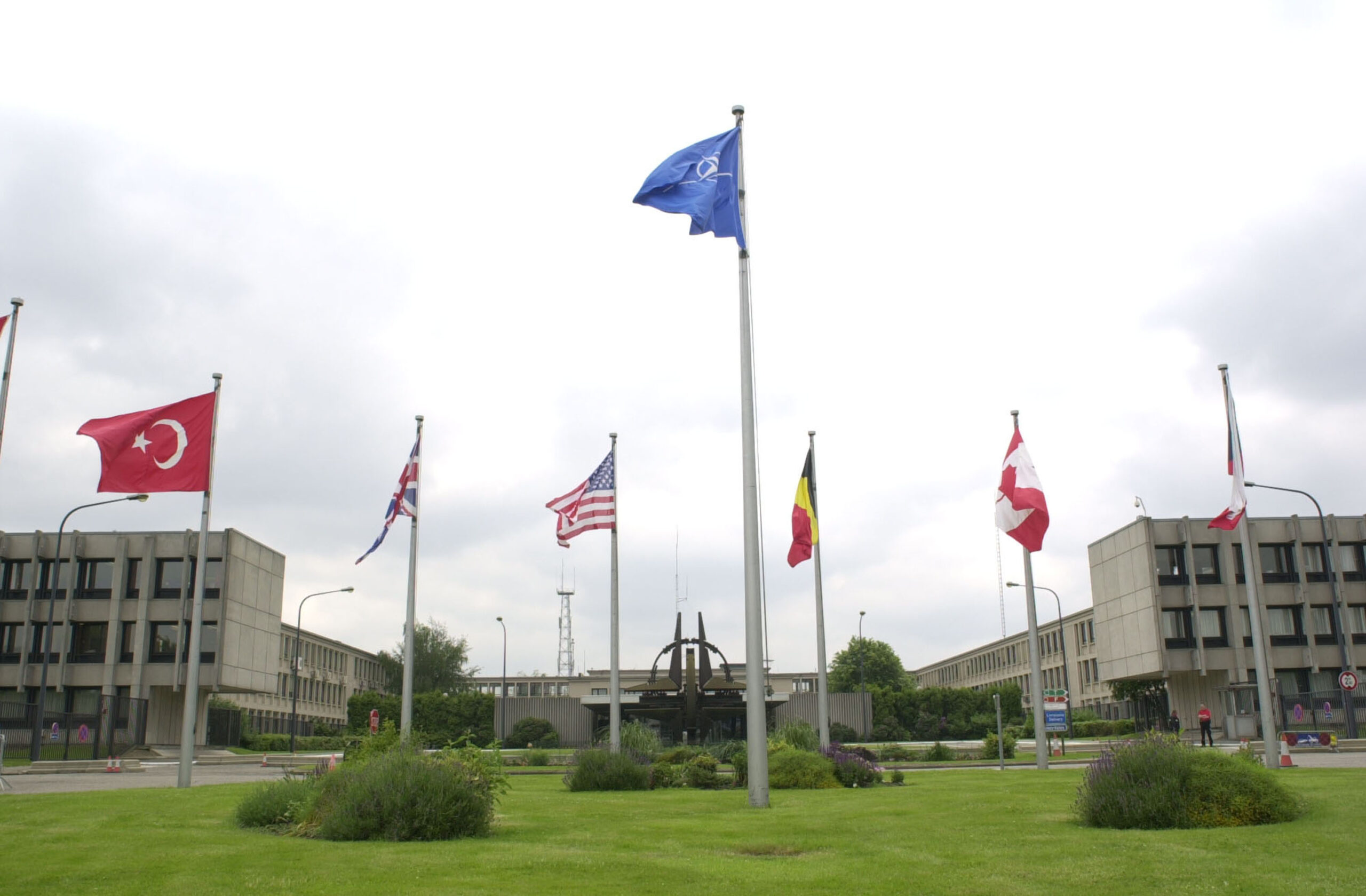
A Canadian woman of Chinese descent, Biwei Zhang, aroused concerns about the security review system for government officials due to her involvement in a spy case at NATO headquarters, sparking an investigation by intelligence agencies into what valuable information she may have accessed during her internships at various institutions and government departments.
According to reports by CBC, the 33-year-old Canadian-Chinese woman, Biwei Zhang, is suspected of surveilling NATO military headquarters during her internship and was arrested by Belgian authorities in July. Since her arrest, she has been detained pending trial, with her bail application being rejected this week.
Belgian judicial and security officials have disclosed minimal information, even refusing to reveal her name. CBC confirmed her identity and employment history over the past decade, which includes positions at various prominent institutions:
– Economist at Statistics Canada
– Satellite Operations Systems Engineer at the Canadian Space Agency
– Employed at the European Space Agency in Italy
– Worked at the World Trade Organization (WTO) in Switzerland
Belgian authorities have not revealed who Zhang may have been spying for, but European media reports citing intelligence officials suggest she was working for the Chinese Communist Party (CCP).
Currently, she has filed an appeal seeking bail.
The Canadian Security Intelligence Service (CSIS) confirmed they are assessing the losses incurred by multiple departments in connection to this case. CSIS spokesperson Magali Hébert stated in a written statement, “When such security incidents occur, departments and institutions typically conduct reviews to identify and address potential consequences. CSIS is collaborating with federal government departments on this matter.”
Kenneth Lasoen, an intelligence studies professor at the University of Antwerp, mentioned that conducting a “serious investigation” into Zhang’s activities is a top priority for European intelligence agencies. They are exploring her scope of authority, potential damages caused, and any possible connections within a wider network.
The focus in Canada is on how Zhang obtained security clearance rather than the espionage charges. A parliamentary committee in the House of Commons plans to hold hearings on the matter. However, the intelligence sector is more concerned with what she may have seen or done and whether there are larger issues at play, such as potential collaborators.
Lasoen emphasized the importance of determining who Zhang worked for, how she communicated, and how she operated under her superiors in the damage assessment.
After her arrest, NATO assured that critical systems were not compromised. The European Space Agency primarily commented on her security screening, suggesting that further reviews should be handled by national authorities. An official from the World Trade Organization confirmed that Zhang briefly worked at the organization in 2023.
Reconstructing her activities in European and Canadian institutions relies on the retention of security data by these organizations.
Lasoen, an expert in counterterrorism and cybersecurity, mentioned that the significance of Belgian authorities accusing Zhang of ties to a “criminal organization” cannot be understated. Under Belgian law amendments, anyone inducing others to engage in espionage activities will be considered part of a criminal organization.
Given Zhang’s arrest related to alleged espionage activities at NATO military headquarters, the information she gathered or activities she conducted could directly benefit the CCP’s military intelligence.
The intelligence community is deliberating whether she was directly employed by the CCP’s intelligence apparatus or if she worked for a third-party criminal organization associated with them.
A study by the U.S. investigative news organization ProPublica indicated the presence of recorded third-party networks in Europe allegedly collaborating with the Chinese intelligence agency, including civic organizations from Fujian.
The Chinese Ministry of Public Security is a known intelligence liaison. While no such institutions exist in Belgium, France recently shut down nine.
In Canada, authorities are meticulously reviewing the departments Zhang had contact with, examining the data from a military or intelligence perspective to ascertain the potential value of the information to foreign powers.
For instance, during her tenure at Statistics Canada, Zhang was responsible for tracking shipping data at the Port of Montreal, which holds significance not only economically but also militarily in times of war.
Cybersecurity experts suggest that Zhang’s role as an IT intern could also hold critical implications.
China adopts a distinct strategy in cyber espionage compared to countries like Russia, Iran, and North Korea. The focus of these nations and their agents is typically on “hit-and-run” attacks, while China is more involved in stealthy infiltration.
“They’ll use inefficient, slow, methodical, and almost undetectable techniques,” explained J. Paul Haynes, CEO of the Toronto-based data access and governance company, Cinchy. The purpose of China is to embed malware in critical infrastructure systems for activation in crises or wartime or to serve as a “beachhead” for external hackers.
“The best way is always having insider cooperation with external hackers. Whether it’s the CIA or other agencies, the most difficult situation to defend against is when internal personnel are actively working against you,” Haynes said.
European media reported that NATO Supreme Headquarters Allied Powers Europe launched a counterespionage investigation into Zhang due to her suspected loitering near restricted-access military command buildings and repeatedly posing very specific “hypothetical questions” about security agreements to relevant personnel.
Belgian security officials now suspect Zhang had accomplices involved in her activities.