
Labor Day weekend is approaching in the United States, and families all over are gearing up for trips to the airport or hitting the road to enjoy one last summer holiday. However, this year, the cost of travel has increased, and traffic is expected to be even more congested.
According to traffic data analysis firm “INRIX,” Thursday and Friday (the 3rd and 4th) are predicted to have particularly bad traffic conditions. As is tradition, millions of families across the country embark on road trips during the Labor Day weekend, resulting in severe traffic congestion as it overlaps with everyday commuting traffic.
Thursday afternoon from 2 p.m. to 7 p.m., and Friday from noon to 8 p.m. are expected to be the worst times for travel. Around 6 p.m. on Friday, traveling from Los Angeles to San Diego via Highway 5 is estimated to take 5.3 hours, increasing travel time by 75% compared to normal periods. Traveling from San Francisco to the California capital via Highway 80 is expected to take 4 hours and 40 minutes.
During this year’s Labor Day weekend, domestic travelers will have to pay higher prices for gas, plane tickets, and accommodations.
On Wednesday (the 2nd), the American Automobile Association (AAA) data showed that the national average price for regular gasoline is $4.12 per gallon; California has the highest gas prices in the country at $5.74 per gallon.
In the top five popular domestic travel destinations, there is a significant difference in gas prices: Seattle, Washington at $5.56 per gallon; Orlando, Florida at $3.98 per gallon; Boston, Massachusetts at $4.17 per gallon; Denver, Colorado at $4.22 per gallon, and New York at $4.31 per gallon.
AAA booking data also indicates that domestic flight ticket prices have increased by 2% compared to last year, with tickets to popular attractions rising by nearly 20%, averaging $790 for a round trip.
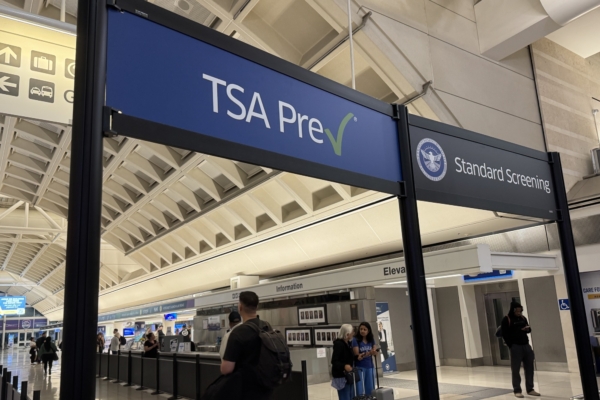
During the Labor Day weekend, airports all over the U.S. are bustling with activity. Major airlines predict that starting from Thursday, airports nationwide will experience peaks in passenger traffic, with chaotic conditions expected to last at least until September 8.
The Transportation Security Administration (TSA) reports that over 17 million people are expected to travel by plane during the long weekend.
When holidaying, paying attention to weather changes is crucial. Recently, Arizona’s Grand Canyon National Park experienced sudden intense flooding, leading to at least 2 deaths, 1 person missing, and the successful rescue or evacuation of approximately 80 individuals.
AAA also reminds the public to be prepared with emergency supplies when traveling by car and to check their vehicle’s condition in advance. Last Labor Day weekend, over 400,000 drivers had to resort to roadside assistance. Common issues included dead batteries, tire blowouts, locked vehicles, and towing services.