
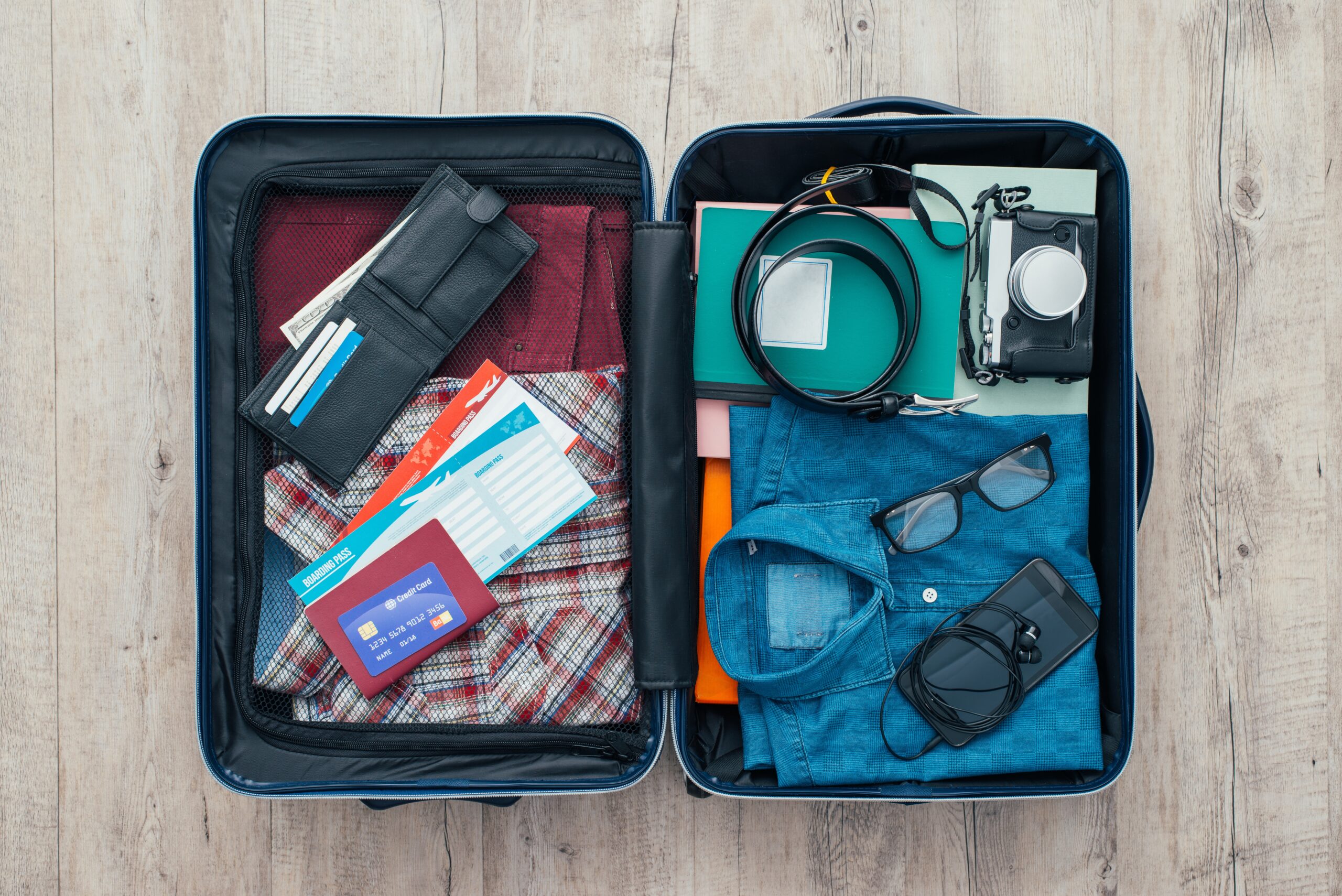
Traveling by plane inevitably involves carrying luggage, including checked baggage. Experts suggest that before checking in your luggage, you should first take photos of its exterior and interior items. In case your luggage gets delayed or lost, airline staff can more efficiently identify and retrieve it, which is also helpful when applying for travel insurance compensation.
Rob Merlin, a travel advisor at the U.S. travel agency SmartFlyer, told Travel + Leisure magazine, “We always recommend customers to take photos of their luggage before traveling, including the exterior, luggage tags, and contents inside.”
In addition to assisting airline staff in identifying your luggage, taking photos can also provide peace of mind. In case of accidents involving your luggage and its contents, these photos can serve as evidence for insurance claims.
Christina Tunnah, the Americas Marketing and Brand Manager of travel insurance company World Nomads, mentioned, “Photos of your luggage and its contents help insurance companies verify lost or damaged items.”
If your checked baggage is delayed for several days or not delivered at all, you may need to submit a detailed inventory of the items inside to both the airline and the insurance company.
Taking photos of the inside of your luggage is a simple way to document the items you are carrying. While the photos do not have to be exhaustive, they can help record the overall condition of the items inside, especially high-value items.
From a claims perspective, these types of documentary evidence are crucial. Tunnah pointed out that one of the most common shortcomings is missing documentation, especially receipts and ownership proofs for high-value items like electronics or equipment. While photos cannot replace receipts, they can help prove the existence of the items, thus facilitating the claims process.
Tunnah stated, “The more detailed information you provide to the claims department, the more likely your claim will be processed quickly.”
Apart from taking photos at home, it is advisable to also snap a picture of your luggage tag when checking in your baggage at the airport. The tag serves as the primary identification for your luggage, featuring a barcode and tracking number for monitoring during the luggage handling process.
Since physical tags or receipts can get lost, taking photos for backup is a reliable practice. This can be particularly helpful when submitting reports or engaging with the airline company in the future.
Tunnah added that photos of luggage tags, along with personal identification details like name and contact information, can directly link your luggage to you, aiding in supporting your claims.
Merlin mentioned that items such as souvenirs or clothing purchased at your travel destination can also be photographed. Many travelers store these items in their checked luggage; in case of delayed or lost luggage, these items may be included in the claim scope as long as they can be verified.
The claims team needs to confirm the existence and value of lost items and usually consider depreciation when determining compensation amounts. Tunnah stated, “The purpose of travel insurance is to cover losses, not to buy you new clothes or a new phone.”
Furthermore, Irish insurance company Multitrip advises travelers to verify the coverage of their travel insurance before their trip. Ensure that the “trip cancellation” coverage limit in the policy is sufficient to cover the entire trip expenses and that the “baggage” coverage limit includes the actual value of your luggage and its contents.
The company also recommends preparing details of your policy before departure and carrying them with you. “Save the policy number, insurance company information, and emergency assistance phone number on your phone, and keep a paper copy handy for any unforeseen circumstances.”
When you feel the need to file a claim during your journey, it is essential to contact your insurance company promptly. In case of medical emergencies, theft, or significant travel delays, be sure to dial the emergency assistance number immediately. They will guide you on the next steps, whether it is finding suitable medical facilities or the nearest police station, so you do not have to face these issues alone.