
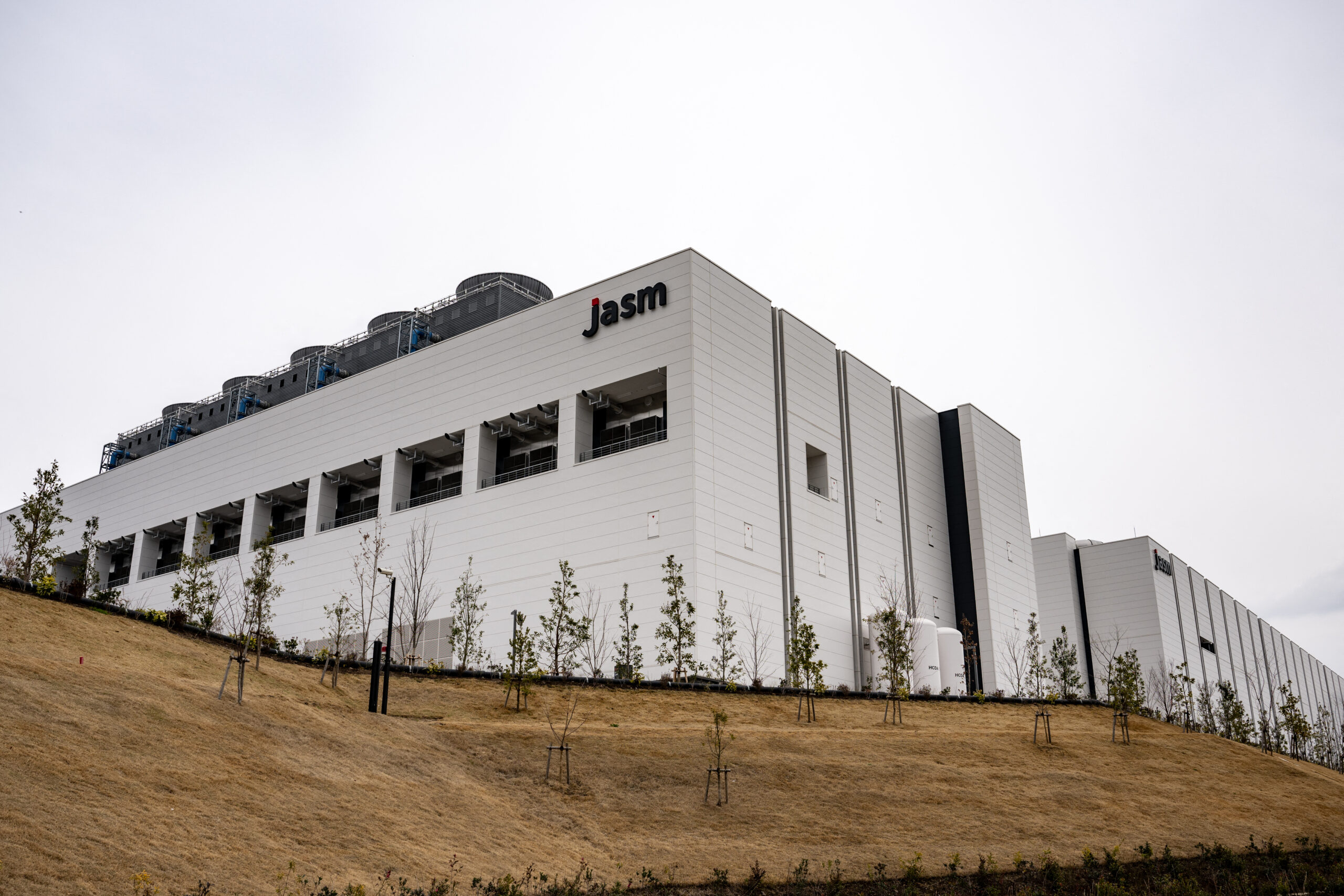
After the powerful magnitude 7.1 earthquake that struck Kumamoto, Japan on July 28th, the world’s largest semiconductor foundry company, TSMC (Taiwan Semiconductor Manufacturing Company), has donated 250 million Japanese yen (approximately 1.6 million US dollars) to support the recovery and rebuilding efforts in the affected areas. TSMC’s subsidiary in Kumamoto, Japan Advanced Semiconductor Manufacturing (JASM), has confirmed that their factory has fully resumed operations.
On August 3rd, JASM expressed heartfelt condolences to those affected by the earthquake through their official account @TSMCinJapan. In their post, they announced the donation of 250 million Japanese yen for the recovery and rebuilding works in the disaster-stricken areas. They also initiated a fundraising campaign for employees through the TSMC Charity Foundation. The post expressed sincere wishes for the swift recovery and rebuilding of the affected areas.
The post further highlighted the diligent efforts of local employees and suppliers in enabling JASM’s factory to resume operations in the early stages following the earthquake. JASM extended its deepest gratitude to all participants involved. Emphasizing TSMC’s deep roots in the Japanese market over the past 30 years, they have collaborated with Japanese suppliers and partners to support customer innovation and contribute to the development of the global semiconductor ecosystem. The company pledged continuous assistance to affected employees and solidarity with the people in the disaster-stricken areas through concrete actions.
Kumamoto serves as one of TSMC’s crucial global production bases. According to public information, JASM’s first wafer plant commenced volume production at the end of 2024, primarily utilizing 12/16 nanometer and 22/28 nanometer process technologies to serve applications in automotive, industrial, consumer electronics, and high-performance computing sectors. The construction of the second wafer plant is still in progress, originally planned to commence operations around the end of 2027, now rescheduled for anticipated production by 2028 (including 3-nanometer process), with both plants expected to collectively exceed a monthly capacity of over 100,000 12-inch wafers.
The earthquake, with a magnitude of 7.1, struck Kumamoto, Japan on the afternoon of July 28th. As of early August, the Kumamoto Prefecture Disaster Countermeasures Headquarters reported a confirmed death toll of at least 38 individuals (including direct and suspected disaster-related fatalities), with numerous individuals sustaining injuries and thousands still taking refuge in shelters.
On August 4th, during a cabinet meeting, the Japanese government decided to allocate 24.2 billion Japanese yen from the reserve budget of the 2026 fiscal year for assisting the earthquake-stricken areas in Kumamoto Prefecture. The funds will encompass support for supplies, rescue operations, and post-disaster reconstruction projects.