
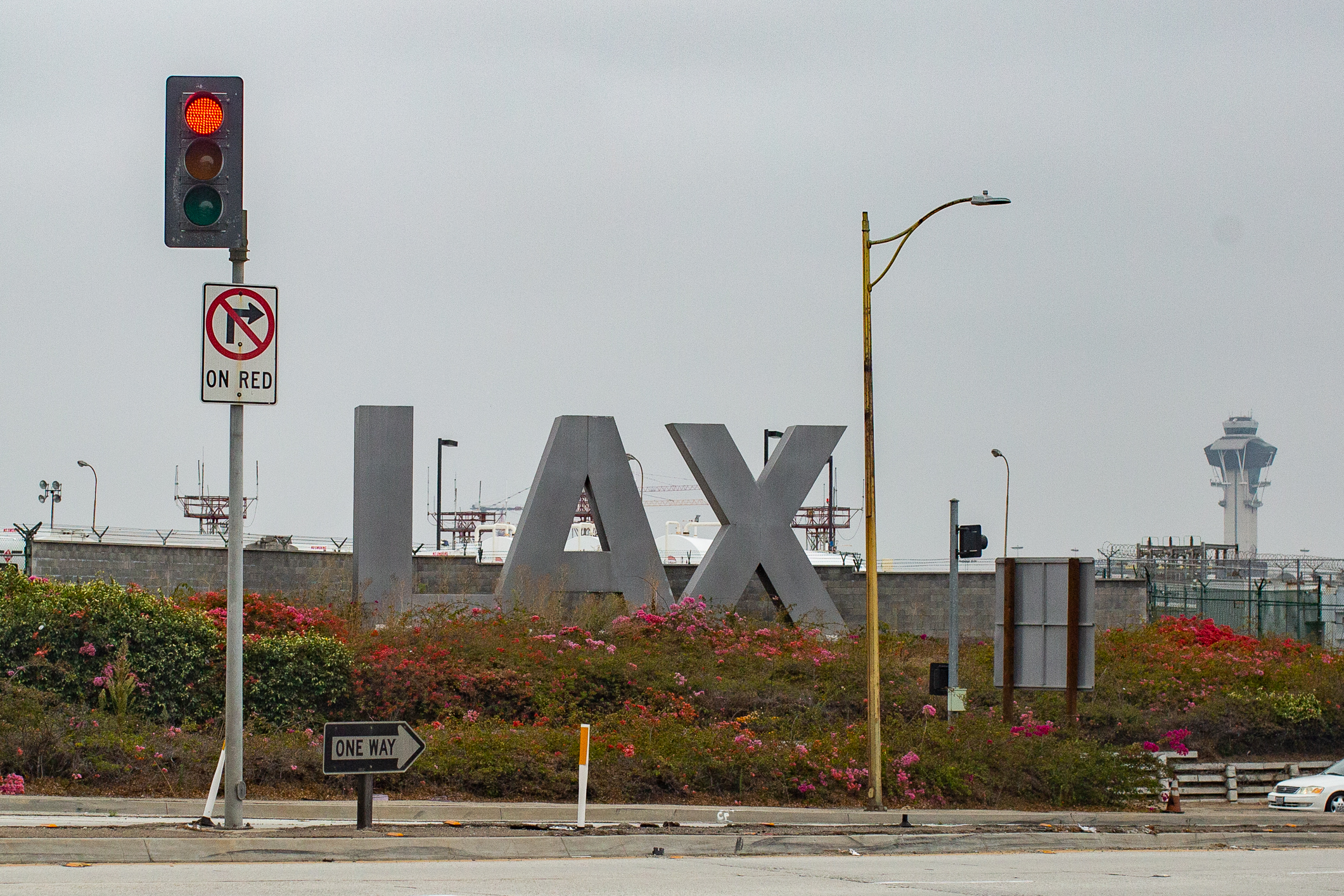
An incident involving a Chinese microbiology graduate student at the University of Wyoming has sparked controversy after she was accused of poisoning a colleague’s tea who held a pending patent. After being questioned by authorities, she attempted to flee the United States but was eventually apprehended at Los Angeles Airport.
According to a report by the Associated Press on October 13th, 32-year-old Aili Wang was arrested on October 6th while allegedly trying to escape back to China. She was found in possession of multiple laptops, electronic storage devices, and documents, all of which have been confiscated by the authorities.
Surveillance footage showed Wang rummaging through the victim’s desk, who specialized in disease treatment technologies similar to Wang’s previous work in China.
As of Tuesday, October 13th, Wang remains detained in Los Angeles without bail.
It was reported that the victim’s wife and others discovered toxins in the water used in the coffee machine when making tea.
Mark Gomelsky, the microbiology professor supervising both students, expressed shock and sorrow over the accusations. He mentioned uncertainty about the victim’s full recovery.
The court documents did not list Wang’s defense attorney.
The investigation was initiated after the victim, referred to as K.T. in court documents, began showing symptoms leading to the discovery of the chemical acrylamide in the coffee machine water.
K.T. and campus police installed surveillance cameras in the shared office space with Wang in Laramie, Wyoming after these events.
Allegedly, surveillance footage from September 27th captured Wang searching through K.T.’s desk. On October 1st, she was recorded taking pictures and rearranging notebooks on the victim’s desk, even washing the victim’s mug with liquid from her own cup.
Law enforcement revealed that Wang had purchased acrylamide twice on eBay last summer before requesting the deletion of her account.
Acrylamide is a carcinogenic byproduct produced when cooking starchy foods and burning tobacco, known for its acute toxicity in high doses and use in microbiological research involving proteins or DNA.
During questioning on October 5th, Wang claimed she hadn’t used acrylamide in years.
On October 6th, she was detained in Los Angeles while carrying multiple laptops, portable external digital storage devices, accessories, physical records, and written materials; the Wyoming prosecutor thus requested a significant increase in her original $200,000 bail.
The affidavit revealed that Wang had no reason to be searching through the other student’s desk, whose research funded by the federal government involved innovative technologies for cancer, neurological diseases, and genetic disorder treatments, and was in the process of patent application.
Reportedly, before coming to the U.S., Wang had engaged in similar research in China. However, at the University of Wyoming, her research area was different from the victim’s, and their relationship was strained.
Gomelsky disclosed that the victim, a high-achieving student from Vietnam, had his first thesis defense rejected, leading to jealousy towards the colleague who discovered a method to deliver RNA into human cells using bacteria.
After attending a conference in August, the victim began experiencing extreme fatigue, insomnia, and other unexplained symptoms.
Later that month, he sought medical attention at the campus health clinic due to worsening finger prickling, numbness, leg weakness, and noticing a strange taste in the tea brewed from the small coffee machine on the desk.
Suspicion of poisoning led Gomelsky to have the water tested by a chemistry professor, which resulted in the detection of acrylamide.
The affidavit detailed that the water from the coffee machine was evaporated, yielding 63 milligrams of white powder which tested positive for acrylamide. These “amateur investigators” then handed the samples over to campus police.
When acrylamide was found in the water, assistant professor Tak Sumaya who assisted in the identification immediately grew suspicious. Sumaya emphasized that acrylamide wasn’t a substance commonly found in large quantities.
Sumaya added that the victim was researching “a promising cancer treatment method” at the time.
Gomelsky mentioned that the victim is still suffering from poisoning symptoms, including difficulty concentrating, fatigue, and numbness in his left hand, remarking on the irreversibility of acrylamide’s neurotoxic effects leading to potential neuron death.
Wang faces felony charges in Wyoming, including aggravated assault and battery, which could carry a maximum sentence of 10 years in prison and a fine of $10,000.
It’s currently unclear when she will be extradited to Wyoming. Earlier, District Court Judge Robert Sanford approved the prosecutor’s request to increase the bail to $1.5 million (cash only).