
The House Select Committee on CCP in the United States released a new report on Tuesday, October 13, urging for stronger measures to plug loopholes and prevent the Chinese Communist Party from stealing American scientific research achievements.
The report, published on the official website of the House Select Committee on CCP, is titled “How to Stop China from Stealing Research Funded by American Taxpayers”.
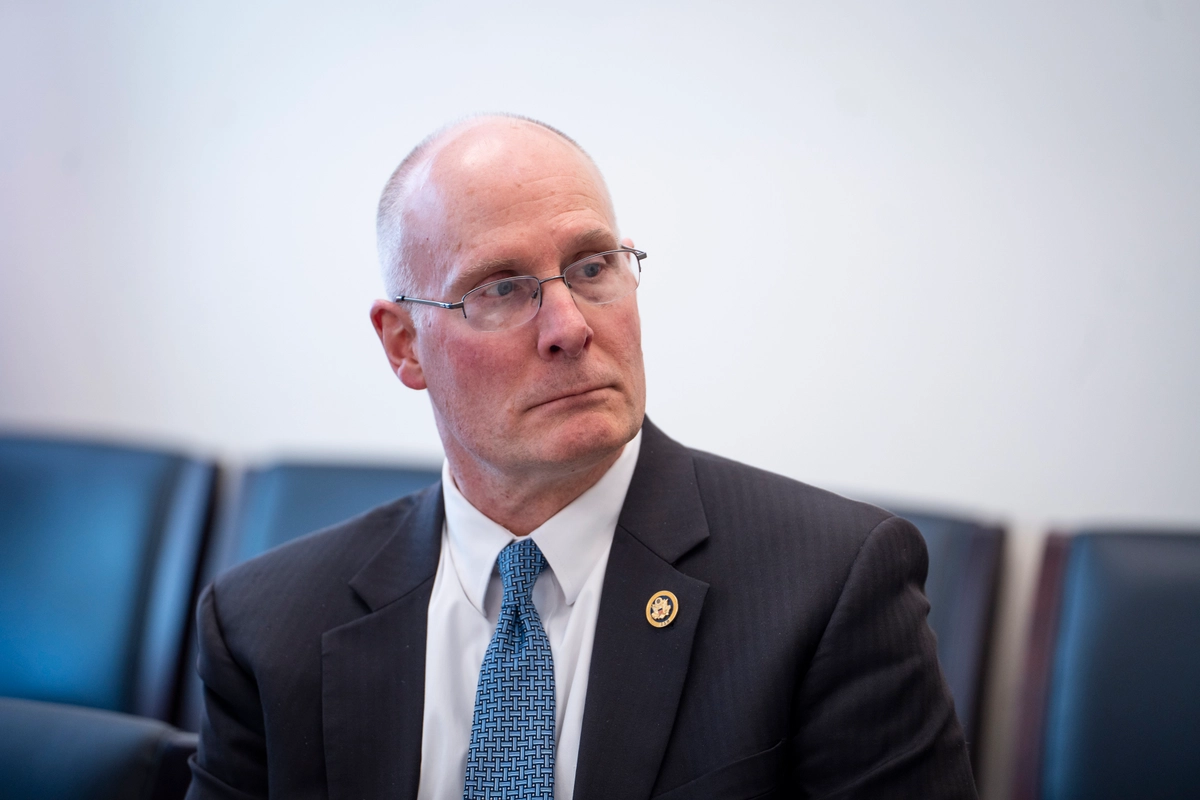
John Moolenaar, the Chairman of the House Select Committee on CCP and a Republican federal congressman from Michigan, stated in the report that the U.S. scientific research system is one of the most important national assets, and in order to protect this system, the facts must be confronted and action must be taken. He said that arguments against strengthening security measures in the research field do not stand up to scrutiny.
Based on records from the committee’s investigation, federal law enforcement actions, and inspector general investigations, the report refutes various arguments against research security safeguards one by one.
Moolenaar emphasized in the report that Congress must pass the “Safeguarding Innovation and Research from Adversaries Act” (SIRA Act) to establish clear and consistent protection measures across the federal government to ensure that taxpayer funds are not used for research collaborations with Chinese entities identified by the U.S. government as posing national security risks.
The report highlighted that the new legislation will establish uniform regulations nationwide, restricting federally-funded research collaborations with entities on the U.S. government’s restricted list.
Moreover, the report examined and rebutted several erroneous claims against regulation, including: that strengthening research field security management would undermine academic freedom, limit scientific innovation, increase excessive administrative burdens, and universities are capable of regulating themselves adequately, therefore such regulatory measures are unnecessary.
In addition to passing the aforementioned legislation, the report also recommends: strengthening supervision after project funding; establishing uniform research security standards across the government; providing incentives for universities that proactively adopt strict security measures; and using factual-based suspension and disqualification rights more frequently based on investigation findings.
Simultaneously with the release of this report, the committee also disclosed over 700 pages of previously undisclosed and non-classified investigation records on the theft of American intellectual property and scientific research achievements by the Chinese Communist Party.
These records stem from cases of research security issues investigated by the Office of Inspector General of the National Science Foundation (NSF OIG), including investigation reports, recommendations for suspensions and disqualifications, correspondences, relevant documents on foreign employment and talent recruitment programs, financial records, and federal funding disclosure documents.
According to the committee, these records involve undisclosed foreign employment, receiving remuneration from Chinese entities, participation in Chinese talent recruitment programs, conflicting commitment obligations, and failure to disclose necessary information to federal research funding institutions.
In some cases, investigators found that close ties with the Chinese Communist Party and concealment of relevant information had been ongoing for several years, involving multiple research projects and institutions.
The committee stated that the disclosure of these records aims to increase the transparency of investigative evidence and to explain why some violations cannot simply be categorized as administrative or clerical errors.
The report suggests that researchers, universities, policymakers, and taxpayers can independently review the factual basis of the recommendations made by the committee based on these investigative records.