
The ongoing escalation of the spill-over effects of the Russia-Ukraine war has reached a critical point, with the conflict now officially spreading to the waters near NATO member countries. Merchant ships in the Exclusive Economic Zones (EEZ) have been repeatedly attacked, resulting in severe casualties, prompting multiple European countries to heighten vigilance and prepare against Russia’s escalation of Hybrid Warfare.
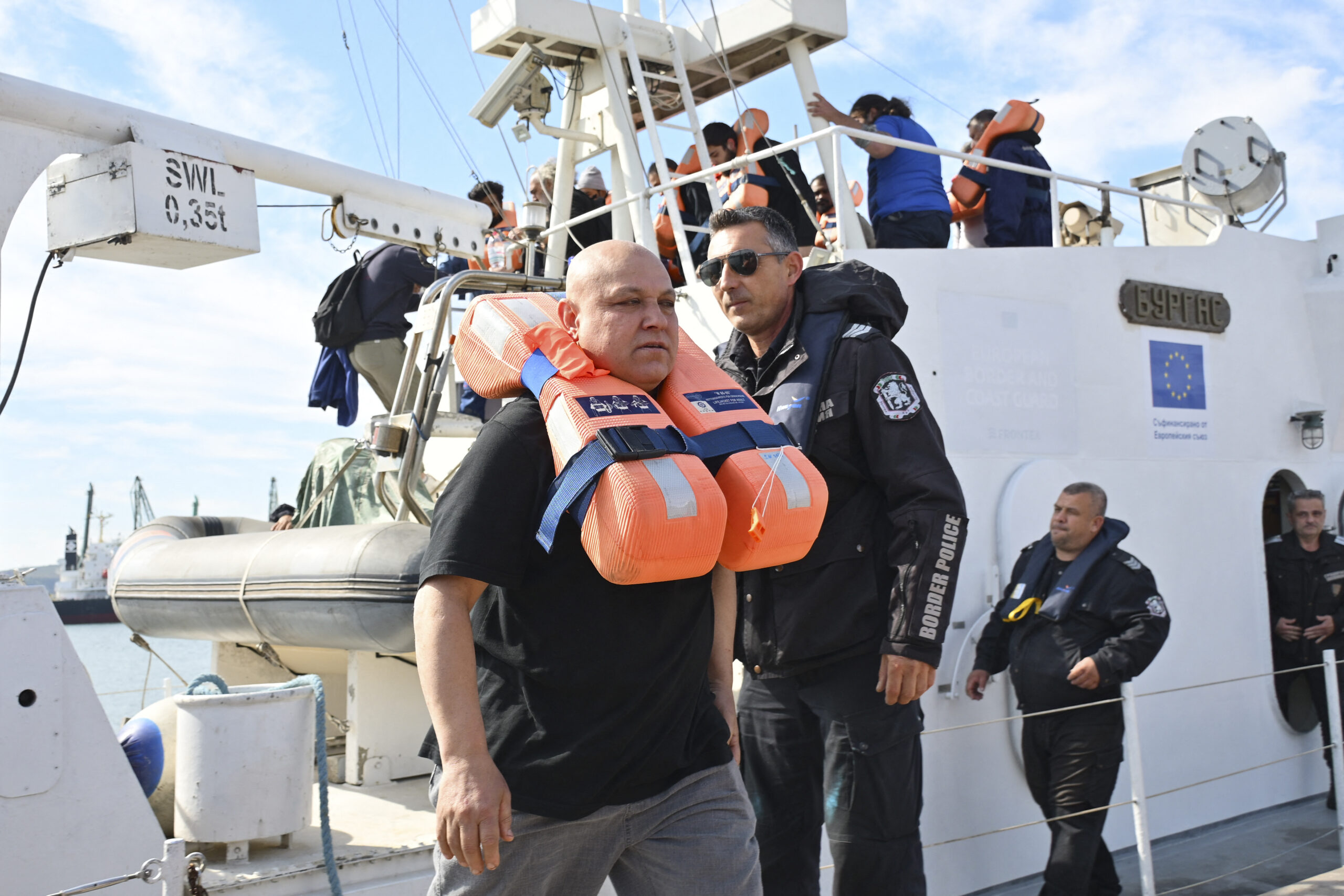
On Tuesday, two merchant ships were attacked by unmanned aerial and maritime drones in the EEZ approximately 70 nautical miles off the coast of the small town of Byala in eastern Bulgaria. One ship sank with 10 crew members missing, while the other vessel had 2 crew members injured and hospitalized.
In addition to the maritime incidents in the Black Sea in the past two days, including the ship fire and sinking off the coast of Romania, the attacks have resulted in at least 2 fatalities and 10 missing individuals, triggering high alert across multiple European nations.
Western maritime security agencies subsequently issued urgent safety notices to commercial vessels in the western Black Sea, warning of significantly elevated threats to commercial shipping routes in the region.
According to reports from international media outlets such as Reuters, the two ships attacked in the Bulgarian EEZ were the “ALFA WATAN” flying the Togolese flag and the “ABLE” flying the Palauan flag and carrying food supplies. The “ALFA WATAN” sank after the attack, with all 10 crew members currently missing, as search and rescue operations and environmental threat assessments are underway.
The 18 crew members on board the “ABLE” (11 Turkish and 7 Indian nationals) were safely rescued, with 2 individuals being treated for burns and head injuries at a hospital in Varna, Bulgaria.
This attack is considered the first commercial shipping route assault in the Bulgarian EEZ. Bulgarian Prime Minister Rumen Radev promptly convened an emergency cabinet meeting, strongly condemning the attack as a serious violation of international law that is entirely unacceptable. He warned that if the conflict is not resolved promptly, its geographic reach will continue to expand, potentially escalating the risk of a global conflict.
Ukrainian President Volodymyr Zelenskiy stated in a speech on Tuesday evening that a joint investigation by the Ukrainian Navy and Bulgaria confirmed the attack originated from Russian maritime and aerial drones conducting a “combined attack,” directly implicating Moscow in an attempt to dangerously disrupt the western Black Sea shipping lanes.
Bulgarian authorities remain cautious, emphasizing they are conducting thorough technical verifications to determine the source of the unmanned drones.
Moscow authorities have not yet issued an official response to these allegations.
In addition to the crisis in the Bulgarian waters, a recent incident involved a merchant ship being attacked and engulfed in flames on the outskirts of Romanian territorial waters, resulting in the loss of 2 individuals, including the ship’s captain. President of the European Commission Ursula von der Leyen reiterated strong condemnation of the unprovoked attacks on innocent merchant ships and crew members, while Ukrainian Foreign Minister Andrii Sybiha pointed out that Russia’s provocative actions are sharply raising global shipping insurance costs and food transportation expenses.
Faced with the deteriorating security situation in the Black Sea and the potential threat of hybrid warfare from Russia, NATO member countries have escalated their alert levels. Swedish Prime Minister Ulf Kristersson announced the deployment of Patriot air defense missile systems and approximately 100 military personnel to key defense zones in eastern Poland, including Rzeszów, to ensure the security of NATO’s vital logistical hub supporting Ukraine.
Meanwhile, Ukrainian military forces are closely monitoring and preparing for potential large-scale air raids from Russia, with Kyiv and several regions implementing rotating power outages in response to the crisis.