
Recently, our 9-year-old son has been more emotionally volatile than usual. He’s usually not one to complain about boredom, or resist everyday chores and schoolwork – but both my wife and I independently noticed this change.
Initially, he couldn’t pinpoint a specific reason, so we chalked it up to him growing up and experiencing new emotions. However, my wife later discovered that he was spending more time playing video games than before.
I sat down with him and had a heart-to-heart, explaining to him that things like video games can sometimes be so captivating that they make the mundane parts of life seem dull. Since almost everyone dislikes boredom, their behavior can change, and their happiness can decrease.
What followed exceeded my expectations.
He immediately accepted this perspective and admitted that this could be the issue. He said he loved playing video games but hated having to stop. He would then constantly think about when he could play again. Together, we came up with an idea: to voluntarily take a break and see how he would feel – consider it an experiment.
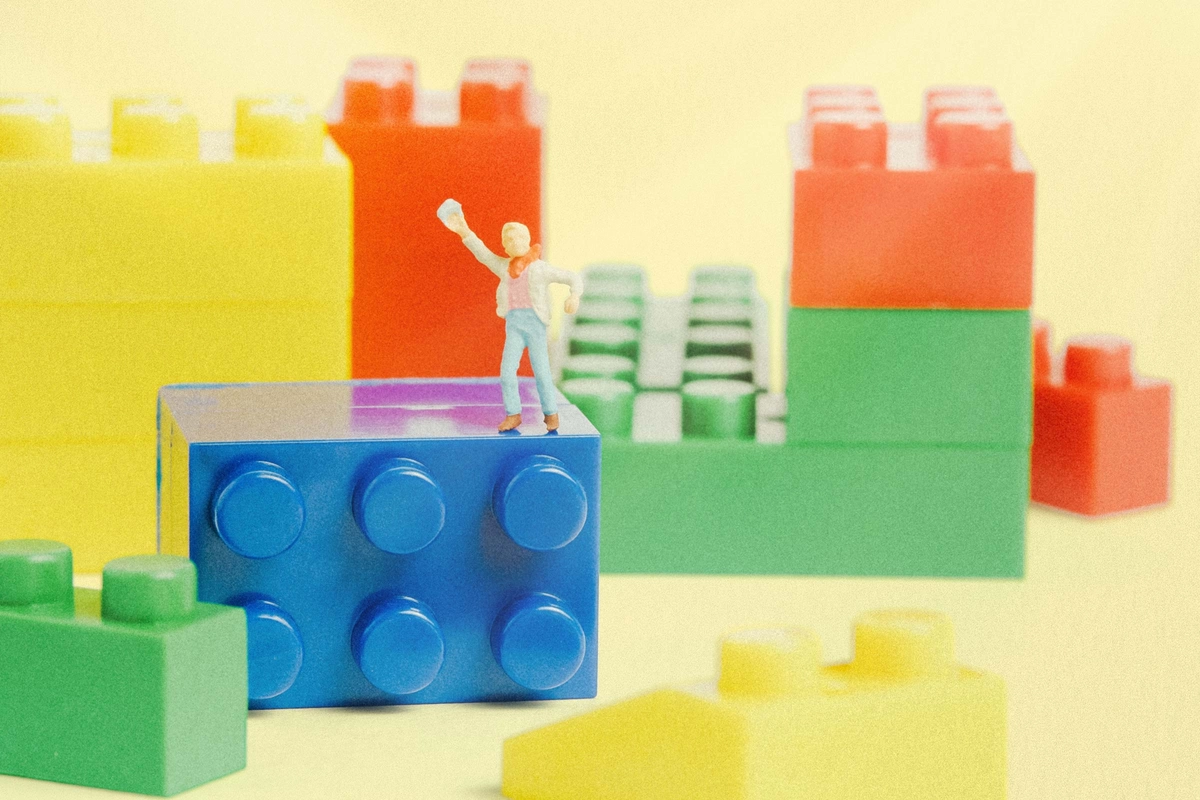
To my surprise and delight, a few days later he came to me voluntarily and said he already felt happier. Today, I saw him playing with LEGO bricks, something he hadn’t done in a while, and I was glad to see him rediscovering those simple joys that are easily overshadowed by simpler, instant pleasures.
I’ve heard people say that there are two types of happiness: one that is directly experienced, like taking a bite of chocolate cake; and another that is derived as a by-product of something else, like the satisfaction from hard work.
My theory is that for most of history, our happiness has belonged to the second type. We had to work for it. Finding joy required effort, which naturally limited how much happiness we could attain.
These joys also have different qualities – they are not as instantly gratifying as taking a bite of cake. They are built slowly and last longer, providing a sense of fulfillment that naturally restricts how much you think you need.
In our modern world, the first type of happiness – instant pleasure – is easier to come by than ever before. Wealth and convenience make it almost effortless for people to attain instant gratification. Most of us are not prepared for this on a spiritual or emotional level, leading to a situation akin to overeating and obesity.
The overconsumption of instant pleasure is mainly due to it being a happiness stripped of its original context and taken in such unnatural quantities that it can never be beneficial to us.
Though I often write about the past, I deeply cherish modern life. I want to learn from past experiences to thrive in today’s world. Many of us should resist excessive ease and instant pleasure, allowing happiness as a by-product of a good life to flow naturally to us.
Here are some suggestions:
1. Choose instant pleasures wisely: When indulging in the various easy pleasures life offers occasionally – and you should – do so mindfully. Don’t expect this kind of joy every day, and don’t use them to avoid difficult emotions.
2. Combat distractions of the present moment: One of technology’s great curses is that people are too quick to avoid any emotional distress immediately, rather than facing it head-on. I believe this hinders our growth and makes us rely on instant pleasure to boost our moods. Instead, stay present, acknowledge any emotions you feel, and overcome them.
3. Challenge yourself: Success must be earned through real struggle and effort. When you face things that feel difficult or uncomfortable and persist in completing them, you’ll feel awesome.
Unlike children, I believe most adults are familiar with these concepts. We realize that too much of a good thing can turn bad, or at least not be the optimal solution. Many have become complacent, content to coast through life in a comfortable numbness. Even if they wanted to, they can no longer imagine the greater, richer happiness awaiting them on the other side of hard work, discipline, commitment, and sacrifice.
Like my son, you too can consider conducting your own little experiment.