
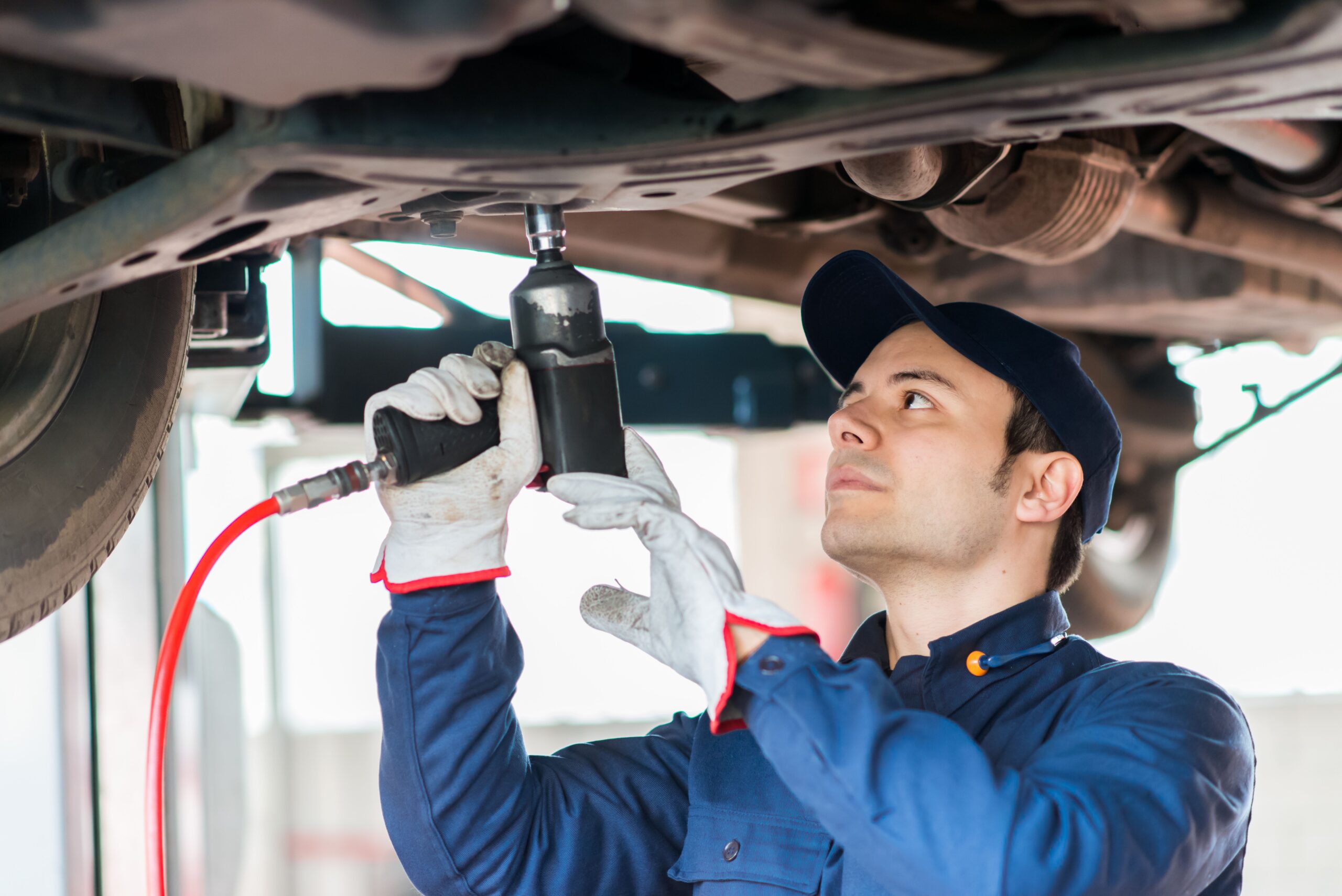
With the advancement of automotive technology, repair shops are finding themselves having to invest more in purchasing computers, software, and calibration equipment. Technicians say that ultimately these costs are passed on to consumers.
According to a report by CNBC on October 3rd, Ralph Czeisler, an automotive technician in Brooklyn, New York, stated that the rapid pace of technological change has forced him to invest more time and money, even for basic repairs, and he has no choice but to pass these costs on to consumers.
Running ‘Emil’s All-Tire’ repair shop, Czeisler said, “I have to update all the computers every year, which are equipped with different ones for American, Asian, and European vehicles. This expense is significant as the technology evolves each year, costs escalate, and it becomes more and more challenging.”
Greg Brannon, the Automotive Engineering Director at the American Automobile Association (AAA), pointed out that many technicians across the country are facing the same issues.
He said, “The repair work on these vehicles is very complex nowadays, almost always requiring the use of a laptop.”
He added that sometimes, technicians even need to use specific brand-specific laptops for certain vehicles. Repair shops also need to subscribe to software and data services to carry out repairs, and the subscription periods vary from a few hours to a year. These ongoing costs can be hard to absorb for small repair shops.
Brannon mentioned, “For independent repair shops, the economic challenges of being able to service a variety of brands and models of vehicles are increasingly worsening.”
Czeisler noted, “In the end, it’s the consumers who bear the brunt of this, as they ultimately have to absorb these economic costs.”
According to data from the Federal Reserve Bank of St. Louis, overall repair costs have increased by around 60% from January 2019 to August 2026. This increase is almost double the overall inflation rate of 32% during the same period.
While the data does not clearly indicate the specific reasons for the price hike, research suggests that in some cases, technological advancements are one of the factors driving up costs. A study by the American Automobile Association in 2023 found that calibrating Advanced Driver Assistance Systems (ADAS) could increase collision repair costs by 37.6%.
For example, replacing a cracked windshield used to simply mean ordering a new glass and installing it. Now, the cameras behind the windshield need recalibration. These cameras are just a few of the multiple cameras on vehicles, the number depending on the model. These cameras and sensors are usually used to support advanced driver assistance systems and safety features continuously added by automakers.
According to an invoice provided by Czeisler to CNBC, the price of a single calibration equipment unit is around $28,000, and the necessary computer that comes with the equipment costs an additional $12,000. The total price of the entire system can reach up to $90,000. Additionally, targets boards for calibrating specific cameras need to be installed on the machine, with prices ranging from hundreds to thousands of dollars. The prices are even higher for higher-end brands.
“In case we don’t calibrate the windshield, leading to camera malfunctions, the consequences could be catastrophic,” he said. “The vehicle might brake unexpectedly, potentially causing a rear-end collision. We don’t want to be held responsible for that.”
As vehicles and their technology become increasingly complex, the “Right to Repair” movement has emerged and gained widespread attention.
Broadly speaking, this concept advocates for consumers and small repair shops to have the right to access tools, parts, and information needed to repair electronic equipment, agricultural machinery, automobiles, and other products. State and federal lawmakers have introduced bills supporting these goals, although the effectiveness of their implementation varies.
Since 2014, industry groups representing automotive manufacturers and auto repair technicians have reached several agreements aimed at ensuring that independent repair shops can access the same data, parts, and repair tools as large dealerships.
Brannon stated, “Typically, both dealership-affiliated repair shops and independent repair shops have access to the information needed to repair vehicles.” However, he also noted that there are occasional exceptions. Currently, there is a dedicated working group that allows repair shops to raise issues or concerns with automakers. Brannon mentioned that most complaints focus on the costs and complexity involved in accessing data.
Czeisler mentioned that the main challenge he faces is the high costs and logistical hassles that arise while trying to keep computer systems up to date when obtaining information or upgrading systems.
Czeisler gave an example, saying that when changing the oil in a vehicle, he must use a computer to reset the oil change indicator light. For a luxury car oil change service that typically costs $400, simply gaining access to the relevant software incurs an additional $75 payment.
“You can’t manually reset it,” he said. “You have to pay to download the information to your computer and then upload it to the vehicle’s computer system to reset the light. Otherwise, the light never resets, resulting in more trouble and expenses. The result? I end up spending more money, and so do the consumers. It’s not fair, but that’s just the industry norm.”