
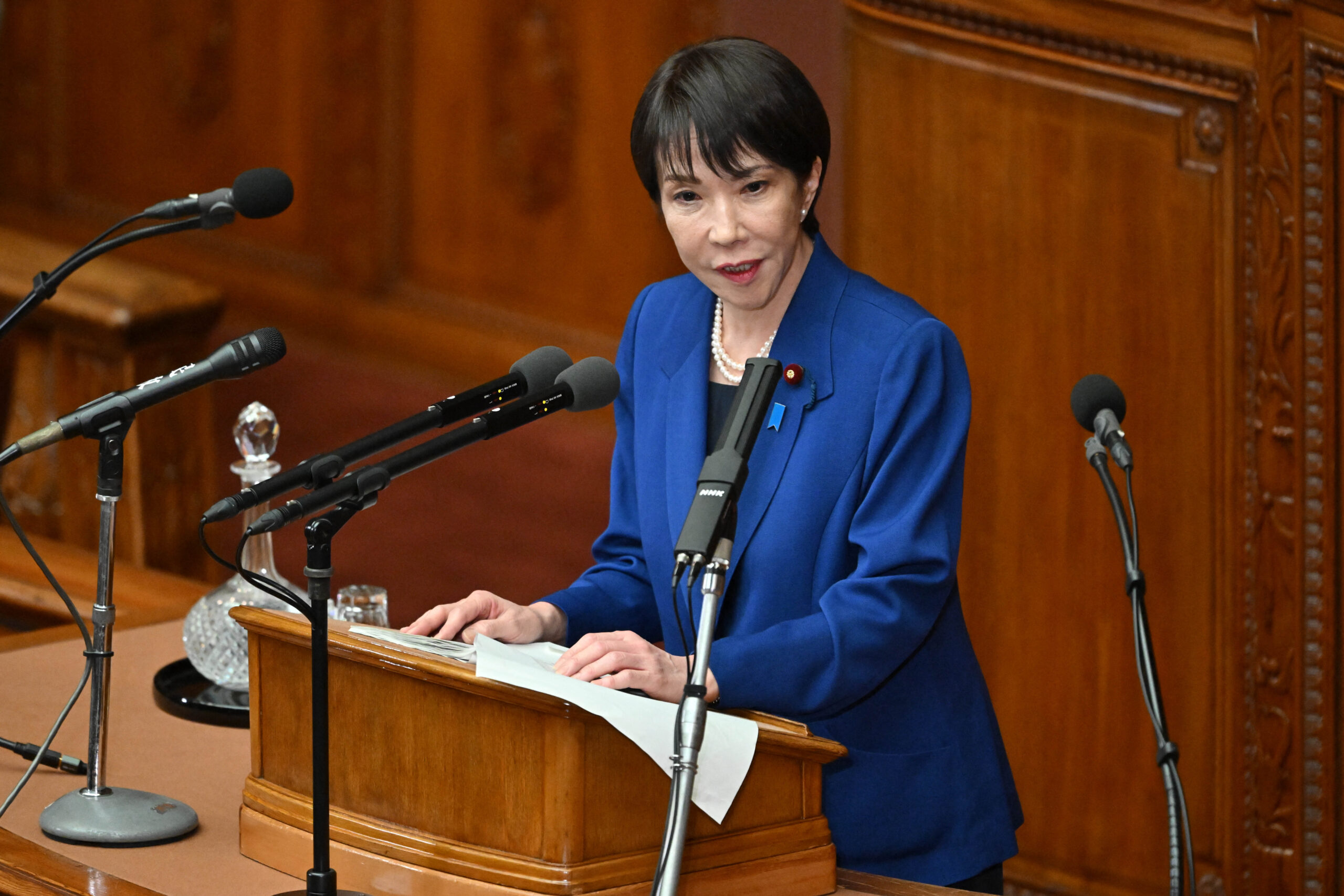
Recently, the Chinese Ministry of Foreign Affairs has stopped calling Japanese Prime Minister Kishida Fumio “Japanese Prime Minister,” opting instead to refer to him by his name. Veteran media personality Yaita Akio believes this is a deliberate “small move” by the Chinese side and reflects the “spirit of Ah Q” in the Chinese Communist Party.
The spokesperson for the Chinese Ministry of Foreign Affairs, Guo Jiakun, on September 30th in a routine press conference, directly referred to “Kishida Fumio” without using the title of “Japanese Prime Minister.”
According to reports in Hong Kong media, the Chinese Ministry of Foreign Affairs has always been careful with its diplomatic language, so the change in title this time was not a slip of the tongue. Reports indicate that when Kishida took office last October, the Chinese side still referred to her as “Japanese Prime Minister.” After she mentioned “Taiwan issues” in parliament in November, China gradually shifted to calling her the “Japanese ruling authorities” and the “current Japanese leader.” On September 23, China once again referred to the Kishida government as the “current political regime in Japan.”
In response to this, veteran media personality Yaita Akio analyzed that by directly addressing Kishida Fumio by name in the press conference and referring to Taro Kono as “the person in charge of the defense department,” Beijing’s displeasure with the Kishida government is escalating. He pointed out that historically, when the Chinese Communist Party is dissatisfied with someone, they go through three stages of downgrading, namely “removing official titles, criticizing, and giving derogatory nicknames,” which is essentially a powerless move that reflects the “spirit of Ah Q” by taking advantage linguistically.
On the other hand, Japanese Prime Minister Kishida Fumio stated that their stance on open communication with China remains unchanged. During an interview with a Japanese television station on October 1st, when asked whether she would have dialogue with Xi Jinping during the APEC leaders’ meeting in Shenzhen in November, she said she cannot make a judgment in advance but will “maintain communication” and handle the situation calmly and appropriately from the perspective of Japan’s national interests.