
More than 70 years ago, two men born in a rural hospital in Canada were mistakenly swapped at birth. Now, the local provincial government has paid them a compensation of 500,000 CAD.
According to CBC, financial documents released by the government of Manitoba this week revealed that Edward Ambrose and Richard Beauvais each received 250,000 CAD in the 2025-2026 fiscal year.
Bill Gange, the lawyer representing the two men, told CBC News in a statement: “Ambrose and Beauvais appreciate the provincial government, thank the Premier for publicly apologizing to them, and thank the government for resolving their financial compensation requests.”
Matt Wiebe, the Minister of Justice, stated in a written statement that the experiences of these two men were a “miscarriage of justice.”
He said in the statement, “No one can give them back the lost years, but we hope that this settlement agreement can bring them some solace.”
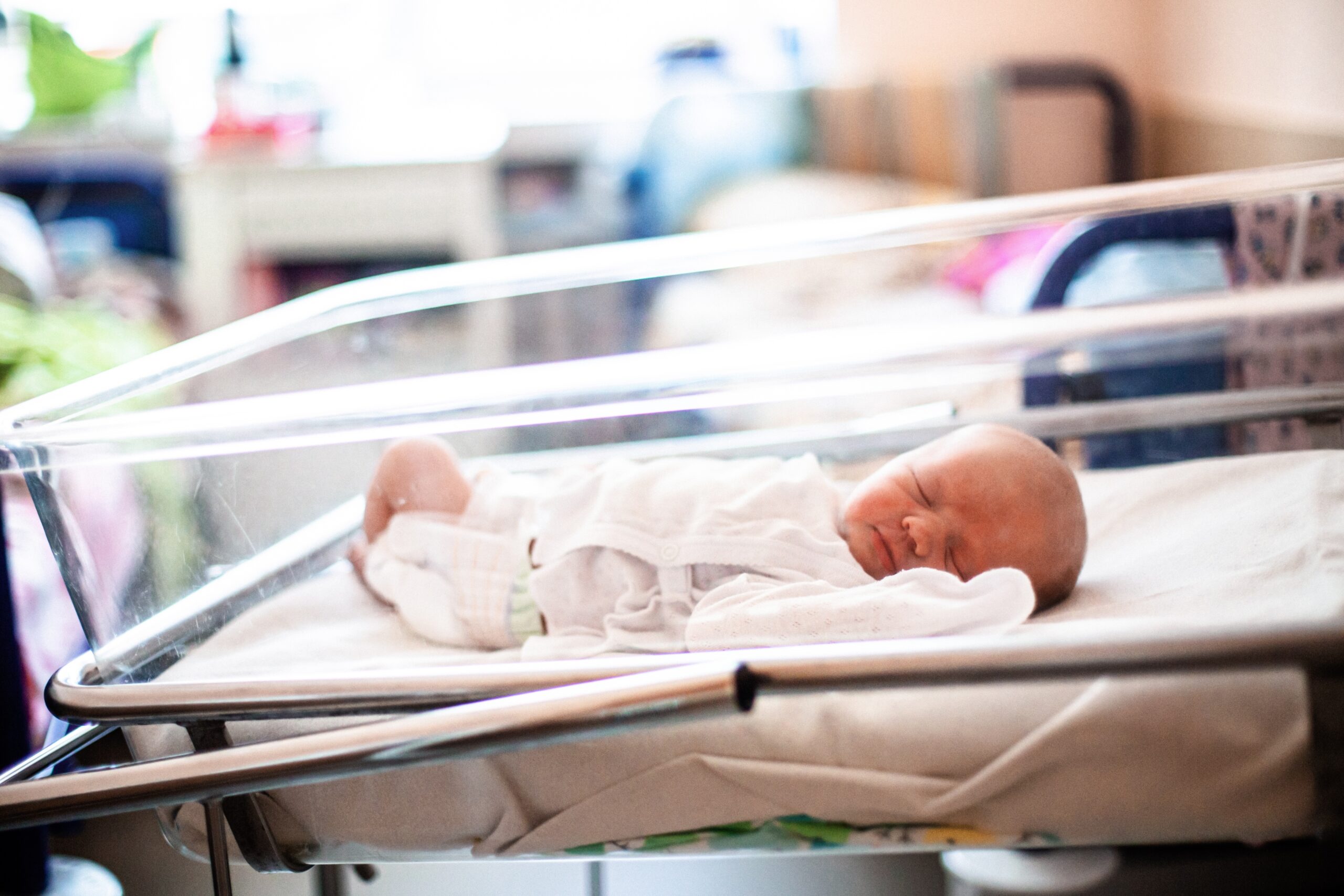
In 1955, Ambrose and Beauvais were born at a small hospital in Arborg. The town is located about 100 kilometers north of Winnipeg. When the two baby boys were discharged from the hospital, they were mistakenly sent to each other’s families.
Ambrose grew up in Rembrandt, a predominantly agricultural community south of Arborg, raised by a pair of Ukrainian parents.
Beauvais, on the other hand, grew up in the Métis community of St. Laurent southwest of Arborg, raised by his mother and grandparents, living with six siblings. He was forcibly separated from his family and sent to a residential school established for Indigenous children.
Their true identities were not revealed until 2022. A relative obtained genealogical data through home DNA testing, starting to investigate discrepancies, ultimately discovering that these two men had been switched at birth.
Manitoba Premier Wab Kinew publicly apologized to Ambrose, Beauvais, and their families in the Legislative Assembly in 2024, and called for the government to initiate reconciliation efforts, acknowledging the government’s failure to properly care for and protect the two individuals.
Gange admitted that this was the result of prolonged tug-of-war with the provincial government. He emphasized that the real significance of this money is not in the figure itself, but in Manitoba’s acknowledgment of failing these two men.
“Whether this money is enough or not is not the point. It’s about recognizing: your life has been impacted by a societal error, and this is a way for us to acknowledge that,” Gange said.