
On September 24th, the Italian government passed new regulations restricting the number of foreign students in primary schools and banning the wearing of face coverings in school premises.
According to the drafted law, starting from the 2027-2028 academic year, a 30% cap will be placed on the number of students in primary school classrooms who are “non-Italian and have not been born in Italy, or have attended kindergarten in the country for less than two years.” If the demand exceeds this 30% limit, the education department must redistribute students among nearby schools, taking into consideration family needs and educational opportunities.
The law also stipulates that anyone wearing a face covering while entering school premises will face a maximum fine of 1,000 euros (1,137 US dollars).
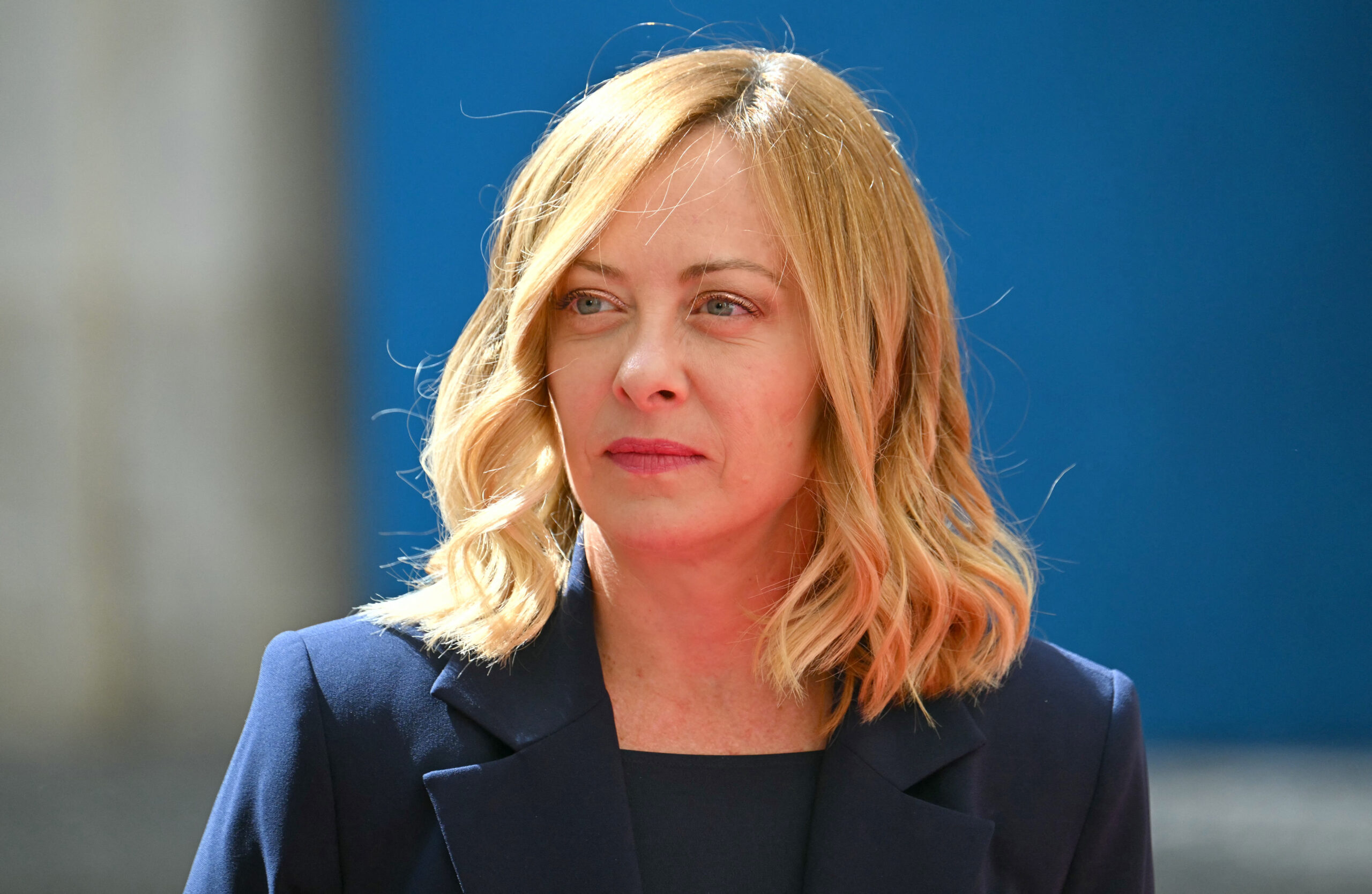
Prime Minister of Italy, Giorgia Meloni, approved these measures and posted on platform X, stating: “These are rational measures that will not cause division, but rather promote true integration.”
She first unveiled these plans at a gathering of the youth organization of her party, the Brothers of Italy, last Sunday. Meloni also mentioned during the meeting that parents of children who do not speak Italian will be required to attend language courses.
According to the ISMU Foundation think tank, approximately 900,000 foreign students are enrolled in Italian schools, accounting for 11.6% of the total student population. Around 43% of these students come from other European countries, while 32% have African backgrounds.
Some school principals have expressed concerns about the implementation of these measures, especially in areas with large immigrant populations.
Italian President Sergio Mattarella stated that he takes a cautious stance towards any measures that hinder education. In Italy, laws must undergo parliamentary confirmation to become formal legislation, and then be signed by the president to take effect.
The opposition in Italy believes that the authorities’ actions are aimed at countering the growing influence of rival political factions, placing politics above the interests of students and schools. Italy is set to hold elections next year, and the current right-wing coalition is trailing behind the center-left camp in terms of support.
The issue of immigration is a sensitive topic in Italy and across Europe. However, Italy’s proportion of immigrant population is relatively lower compared to other European countries. According to data from the Rockwool Foundation, in 2025, immigrants accounted for about 12% in Italy, while in Spain it was 19% and in Germany it was 21%.