
In the field of artificial intelligence (AI), some individuals have called for a slowdown in the pace of AI technological development. In response, members of the United States House of Representatives and Senate have been pushing for legislation to regulate AI.
Among the proposed legislations is the “Great American AI Act,” which is currently under review in Congress.
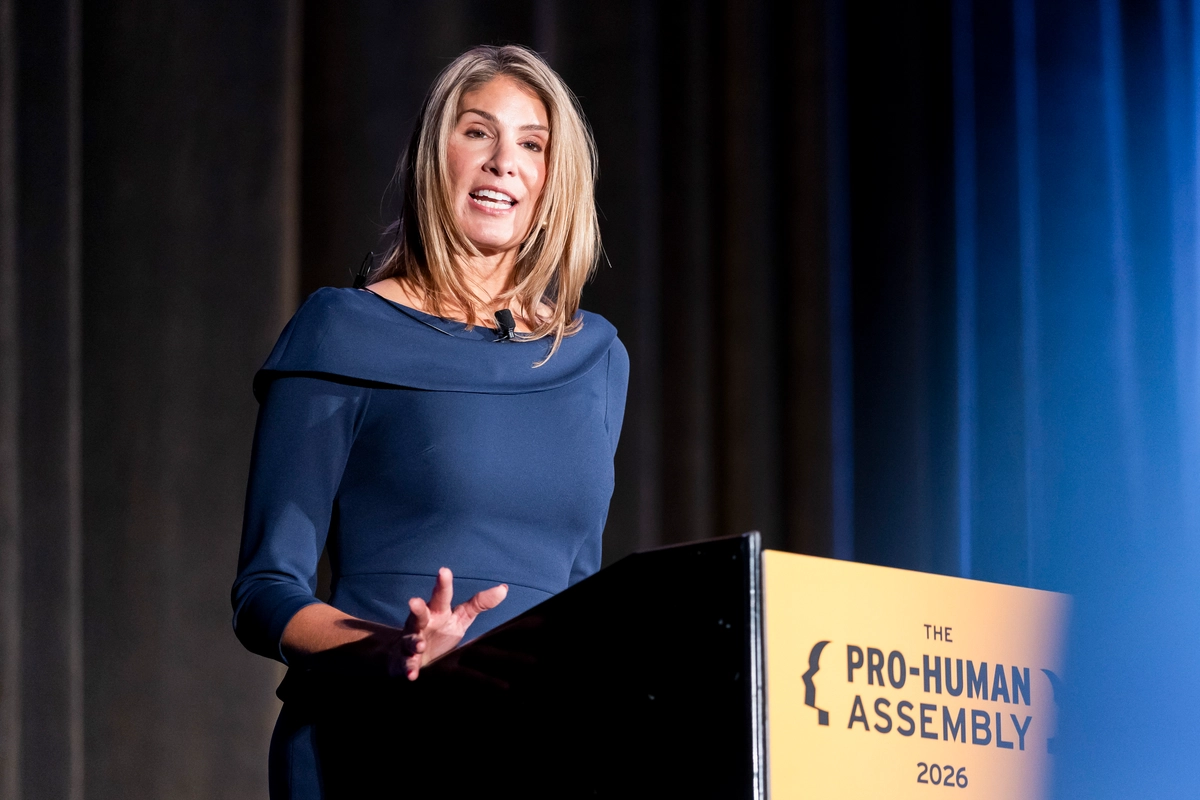
The recent “Pro-Human Assembly” held in Washington brought together bipartisan individuals with skeptical views on AI, providing lawmakers with the opportunity to introduce their key perspectives.
As of now, the House of Representatives has adjourned, and it is likely that any developments on AI legislation will have to wait until after the midterm elections before resuming.
However, one legislation aimed at reducing the impact of AI-driven data center construction on consumer electricity bills, known as the “Ratepayer Protection Act,” nearly unanimously passed in the House on September 16 and has been forwarded for Senate review.
On September 16, Representative Joe Wilson acknowledged that the House adjourned, which would delay AI legislation until after the midterm elections.
He told the Epoch Times that when the House reconvenes, AI issues will “immediately come to the fore.” He also commended California Republican Representative Jay Obernolte for his contributions to this legislation.
Obernolte, who holds a graduate degree in AI studies, stated on September 14 that the “Great American AI Act” that he co-sponsored with Democratic Representative Lori Trahan was making progress. The various provisions of this legislation are currently being deliberated in multiple committees.
“This is by no means a sudden process, but rather a carefully considered one,” he told the Epoch Times, noting that the drafting of the bill took over a year.
Obernolte serves as the co-chair of the bipartisan House AI Working Group, which released a report containing several recommendations at the end of 2024.
The “FRONTIER Act” proposed by Obernolte and Trahan aims to regulate advanced AI models, stemming from the “Great American AI Act.”
In a joint letter, Republican Senator Josh Hawley from Missouri and Democratic Senator Richard Blumenthal from Connecticut called for a vote in the House and Senate on their “Artificial Intelligence Evaluation Act.”
Their legislation calls for the establishment of an agency within the Department of Energy. New models developed by AI developers would require assessment by this agency before release.
On September 16, Republican Senator John Kennedy of Louisiana introduced a new bill requiring the inclusion of an “off switch” in AI models. The bill was rejected due to Kennedy’s insistence on unanimous approval.
In July, Democratic Representative Ted Lieu of California proposed a similar AI off switch bill.
In 2023, Senate Majority Leader John Thune, a Republican from South Dakota, and Democratic Senator Amy Klobuchar from Minnesota jointly introduced AI legislation. They are currently in negotiations on a bill aimed at addressing the threats posed by cutting-edge models.
Earlier this month, Republican Representative Mike Lawler from New York and Democratic Representative Josh Gottheimer from New Jersey introduced the “Stop Rogue AI Act.” This bill calls for the National Institute of Standards and Technology (NIST) to develop new guidelines on AI ethics.
At the “Pro-Human Assembly” on September 15, several bipartisan lawmakers presented their ideas on addressing the risks associated with AI.
House Financial Services Committee Chair and Republican Representative French Hill of Arkansas told the Epoch Times that he anticipates more projects similar to Anthropic’s “Project Glasswing” in the future. This project aims to evaluate the cybersecurity vulnerabilities of Anthropic’s advanced product, the “Claude Mythos” model, through collaboration with industry partners.
“This will lead to some best practices concerning protection measures and how these measures should be implemented,” he said.