
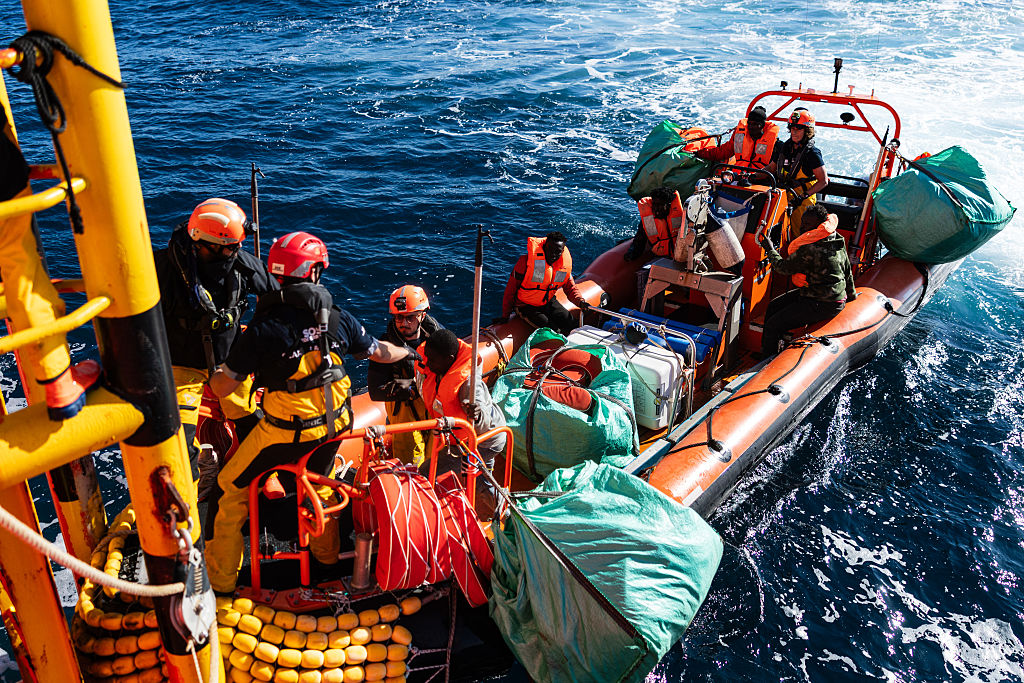
In 2026, the sea route to Europe for illegal migrants has become even more perilous. According to the International Organization for Migration (IOM) on Thursday, as of September 15 this year, approximately 60,000 migrants and refugees have arrived in Europe by sea, a 39% decrease from the same period last year when 98,040 people arrived. However, at least 2,292 individuals have been reported dead or missing along the way, which is higher than the 1,999 reported during the same period last year, representing an increase of nearly 15%.
The IOM stated that the actual number of fatalities may be even higher as some shipwrecks go unreported and the bodies of some victims are never found. Amy Pope, the Director General of the IOM, emphasized that almost every death and disappearance at sea could have been prevented.
There are three main sea routes for entering Europe, with different points of origin and destination.
Central Mediterranean Route (mainly to Italy/Malta):
This route primarily departs from North African countries like Libya and Tunisia. It has seen the most significant decrease in arrivals, with approximately 21,393 arrivals this year (down from 48,231 in the same period last year, a decrease of approximately 55%), and 996 reported deaths (compared to 844 last year). The route is long and many people board overcrowded, unsuitable vessels for long journeys, making rescue efforts difficult in case of accidents.
Western Route (to mainland Spain/Canary Islands):
This route mainly starts from Morocco, Algeria, and the West African coast, requiring crossings over the Atlantic Ocean to reach the Canary Islands, leading to longer journeys. Both eastern and western Spain routes have seen a total of around 16,794 arrivals this year (down from 22,855 last year) with approximately 879 reported deaths.
Eastern Mediterranean Route (to Greece):
Primarily from Turkey to Greek islands, this route has seen around 20,428 arrivals this year (down from 25,427 last year) and 417 reported deaths (up from 284 last year).
The International Organization for Migration attributes the increase in sea fatalities to some individuals opting for longer and riskier routes. The organization calls for enhanced maritime search and rescue operations and the creation of safer, legal pathways to enter Europe, to reduce the risks taken by migrants and refugees attempting to cross the sea.