
The U.S. Department of Health and Human Services (HHS) announced a policy proposal on Monday, August 10, requiring food manufacturers to confirm to regulatory agencies that the raw materials they use meet standards. This move aims to provide the federal government with a clearer understanding of the national food supply security status, resist unhealthy foods, and protect public health.
HHS proposed that companies like Pepsi or Nestle should notify the Food and Drug Administration (FDA) when determining that a certain ingredient is “Generally Recognized as Safe” (GRAS).
Kyle Diamantas, acting director of the FDA, stated in a phone conference with reporters, “We believe these measures will increase transparency of ingredients in the food supply, ultimately enhancing the FDA’s ability to effectively carry out its mission.”
Under current law, substances intended to be added to food typically require premarket approval from the FDA unless they meet exemptions, such as obtaining GRAS certification. When qualified experts believe an ingredient is safe and reliable for its intended use, it can receive GRAS certification.
For years, the FDA has implemented a voluntary GRAS notification program, allowing manufacturers to self-determine when an ingredient meets exemption conditions without notifying the FDA.
According to the proposed new rule, manufacturers “must” notify the FDA upon reaching that conclusion.
A senior spokesperson from HHS stated, “GRAS reform is the most significant regulatory reform, with bipartisan food advocates agreeing that this is the most needed food reform in the past 20 years.”
The proposal does not establish a premarket approval system for GRAS materials, meaning this process will not hinder companies from entering the market; instead, it will enable the FDA to better understand the ingredients entering the food supply chain.
HHS also mentioned that, in conjunction with the U.S. Department of Agriculture (USDA), they have submitted to Congress for final review the federal government’s first-ever definition of “ultra-processed foods.”
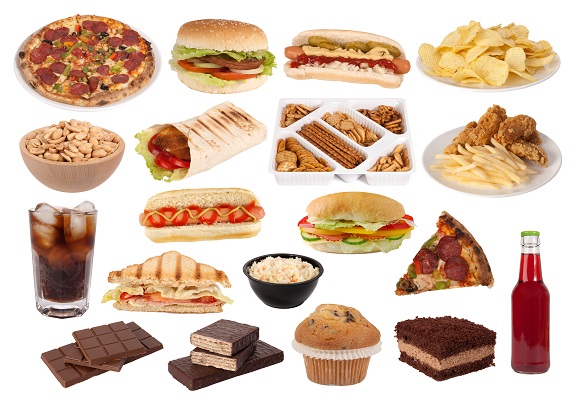
Over the years, the safety of consuming ultra-processed foods for extended periods has garnered increasing attention, which has also been a focal concern of the “Make America Healthy Again” (MAHA) movement initiated by HHS Secretary Robert F. Kennedy, Jr.
Robert F. Kennedy, Jr. stated in a press release, “Nearly 60% of the American diet consists of ultra-processed foods, with childhood obesity now affecting over one-fifth of American children. Without reforming the food system, we cannot reverse the trend of chronic diseases prevailing in the United States.”
As the new regulations are being introduced, federal and state health officials are actively investigating a series of foodborne illness outbreaks this summer, including several incidents related to chopped romaine lettuce contaminated with Cyclospora in multiple states, as well as other ongoing investigations involving outbreaks of salmonella and listeria.
(Reference: CNBC)