
As the final quarter of the year (October to December) begins, all major airlines in the United States are facing a common challenge: despite stable passenger volumes and significant ticket price increases, it is still not enough to fully offset the impact of soaring fuel costs.
Most U.S. airlines saw strong performance in the third quarter (July to September), with stable demand for air travel allowing them to raise ticket prices and generate record revenues. However, the surge in aviation fuel costs has put pressure on profit margins, leading these companies to adopt a more cautious outlook on profit and capacity growth expectations.
The S&P Passenger Airlines Index has fallen nearly 3% so far this year, significantly lagging behind the more than 13% increase in the benchmark S&P 500 Index.
Liam Dorsey, an analyst at Third Bridge, remarked, “The operating conditions for the fourth quarter are severe, with expectations of high aviation fuel prices and capacity reduction plans, but the income trend brought by consumers remains strong.” He questioned, “The biggest issue now is: how long can this resilience of consumers last?”
With fuel prices continuing to rise, airlines are now grappling with the question of how much of the increased fuel costs can be passed on to customers without weakening travel demand.
According to data from the U.S. Department of Labor, average airfares in the U.S. have increased by nearly 23% compared to the same period last year, as of September.
Among the four major airlines, Delta Air Lines, Southwest Airlines, and American Airlines have adjusted down their profit expectations for 2026, as ticket prices have not fully caught up with the sharp rise in fuel costs.
Airlines are now forecasting that the purchase price of jet fuel will range between $4.25 and $4.85 per gallon, while the purchase price in the third quarter was significantly lower than $4.00 per gallon.
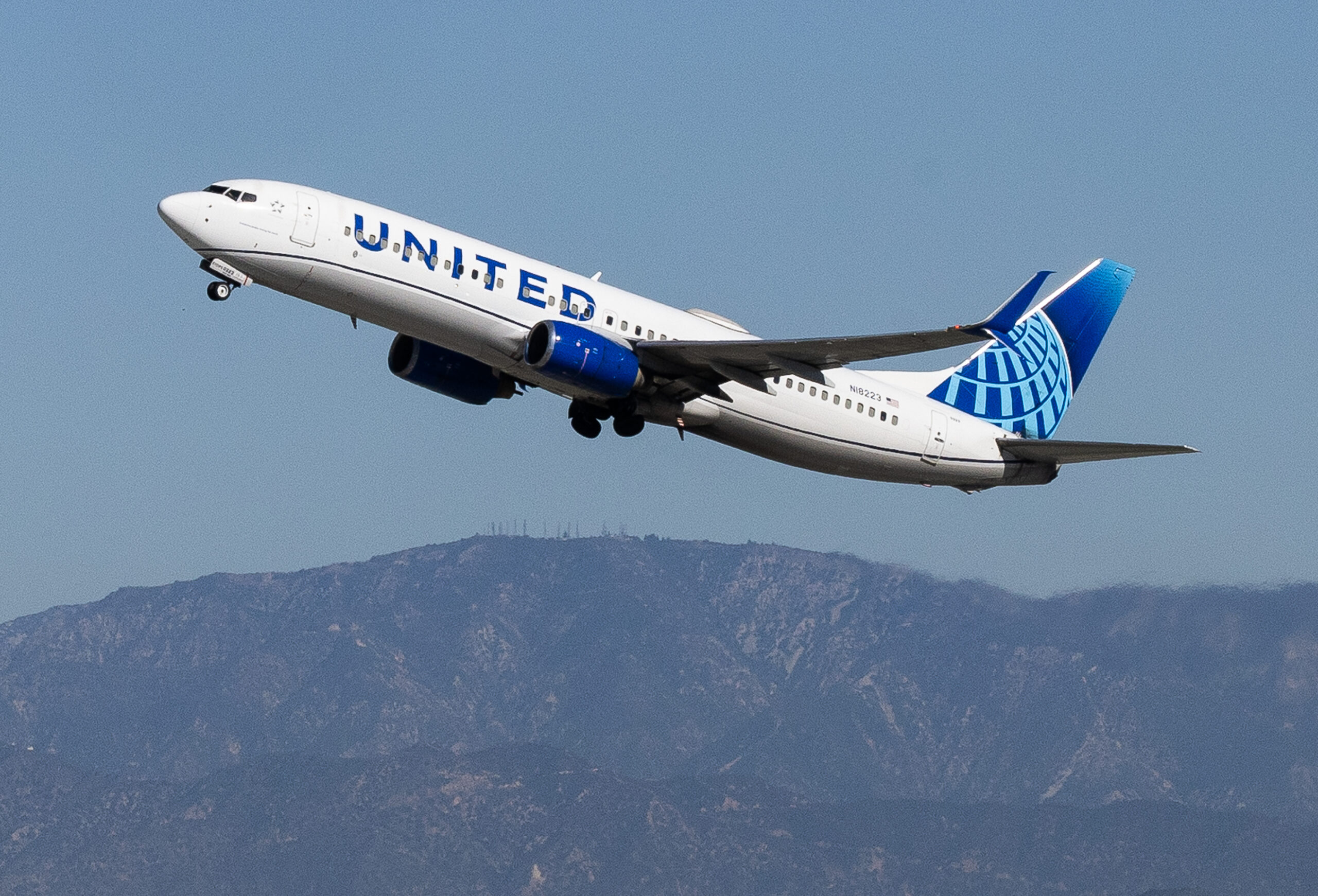
United Airlines has not provided a full-year performance forecast yet, but expects fourth-quarter earnings to be well below Wall Street expectations. The company was only able to recoup 72% of the additional fuel costs through revenue growth in the third quarter.
However, all four airlines reported record-high revenues in the third quarter, reflecting the impact of ticket price increases.
Alaska Air anticipates losses in the fourth quarter to exceed expectations. JetBlue Airways and Frontier Airlines are scheduled to announce their third-quarter performance next week.
Earlier this year, airlines believed that higher ticket prices, ancillary revenue, and frequent flyer program earnings would be sufficient to offset most of the losses caused by the rise in fuel costs. However, with fuel costs increasing at a faster pace than expected, the gap between the fees airlines charge and the fuel costs they pay has been widening, leading to a decline in confidence.
Due to concerns about insufficient demand, price increases have been restrained, and airlines are now turning to stricter capacity plans to maintain pricing power and safeguard profit margins.
Ed Bastian, CEO of Delta Air Lines, stated earlier this month that the airline may need to further reduce the number of flights next year to maintain higher ticket prices and ensure profitability. American Airlines also indicated that the speed of route growth is expected to be lower in 2027 compared to this year.
Earlier this year, Spirit Airlines, known for its ultra-low-cost operations, went bankrupt, becoming the first casualty in the airline industry’s price war, while JetBlue Airways faced financial pressure due to high fuel costs.
United Airlines CEO Scott Kirby predicted on Wednesday, October 21, that the airline industry may undergo further structural changes by the end of next year. JPMorgan responded in a report, “United Airlines has intensified efforts in accelerating industry-level structural changes, and we believe that if fuel prices continue to hover around $5 per gallon, some changes will have to be made.”
(Adapted from Reuters reporting)