
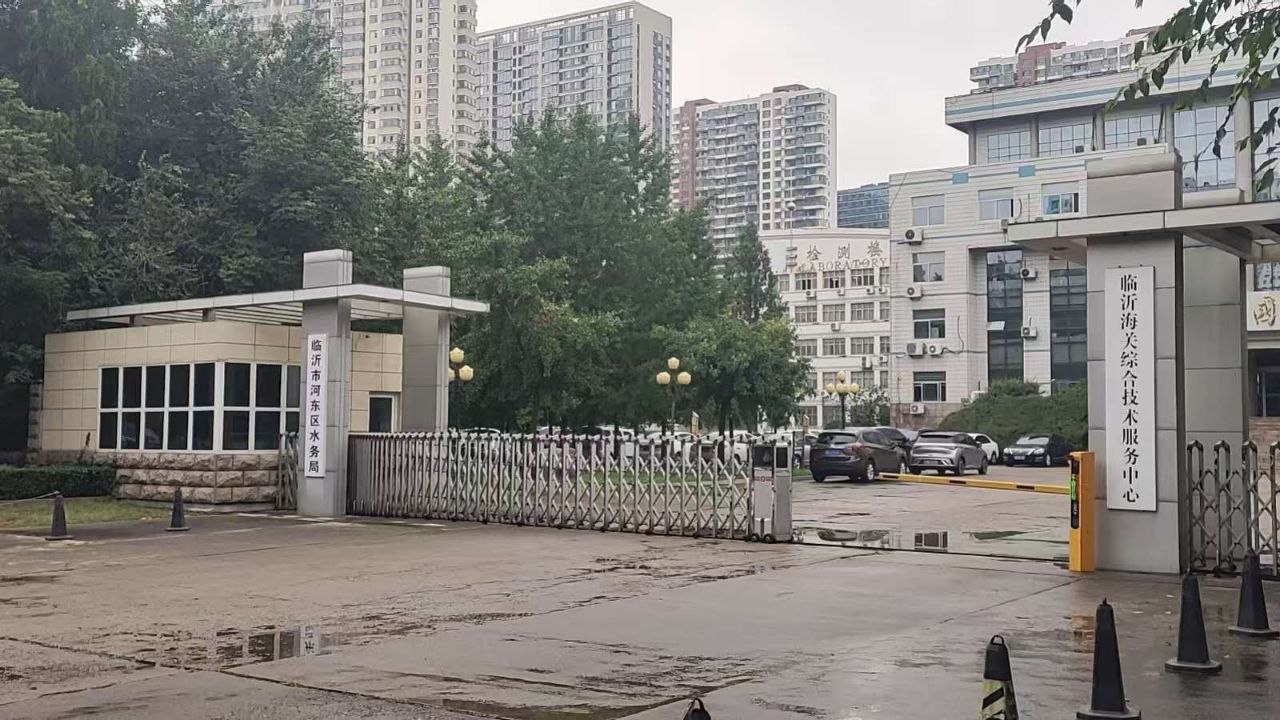
Residents of the Qianhe Bay Community in the Jiulong Street of Hedong District, Linyi City, Shandong Province have been petitioning for years to address the issues surrounding the shantytown renovation project with no result. However, instead of getting answers, these petitioning residents have faced retaliation.
One such resident, Li Xiang (pseudonym), spoke to a reporter from Dajiyuan and revealed the struggles of the residents and the problems associated with the project.
According to the residents, the village was involved in three major projects, including the construction of an ancient city and a memorial hall in 2012, which were included in the shantytown redevelopment plan. The original plan was to resettle 1,185 households with a total planned investment of 296 million yuan, and the project commenced in 2016.
Li Xiang disclosed to the reporter that numerous issues arose during the construction of the project, such as incomplete residential buildings, disputes over housing allocation, delays in the transfer of village-level finances, and suspected irregularities in project costs.
Out of the planned 1,185 households, only 942 households and 20 buildings were completed. Three buildings remain unfinished, with the foundations laid but construction delayed. Li Xiang mentioned that three foundation pits were excavated, involving an alleged sale contract of around 1.5 million yuan. These pits still exist, and further investigation is needed to determine the quantity of soil, disposal procedures, the recipient of transaction funds, and the ultimate destination of the funds.
Li Xiang also disclosed issues regarding the drainage project at Building 20.
According to the data provided, the drainage expenditure for Buildings 1 to 16 in the Qianhe Bay Community was around 5.2 to 5.4 million yuan, with an additional expenditure of approximately 1.12 million yuan for Building 20, totaling over 6 million yuan. Li Xiang believed there were discrepancies in the quantity and cost of the related drainage project and stated that a third-party cost estimation organization and a professional water resources unit have been commissioned to conduct an analysis.
The “drainage project” typically refers to the dewatering operations carried out during construction to lower the groundwater level and ensure the construction of the foundation pit. The costs involved usually consider equipment quantity, actual operating hours, water pumping volume, construction records, and contractual pricing methods.
Li Xiang mentioned that the construction period of the drainage project at Building 20 spanned approximately from July 2020 to June 2021, totaling about 325 days. The recorded quantity of labor units for the drainage work was 24,416, but based on the estimated equipment quantity and operational hours at the site, using 8 pumps operating 24 hours a day for 325 consecutive days without considering equipment failures or downtime, theoretically should amount to around 7,800 labor units. Under this assumption, 24,416 units are about 3.13 times more than 7,800 units.
Furthermore, Li Xiang revealed that according to the assessment by the commissioned water resources unit, the actual water volume for the project was around 69,000 cubic meters, significantly lower than the previously determined 110,000 cubic meters by the water department, indicating a substantial disparity in the water volume data.
After a review of the relevant data by the third-party cost estimation organization, they concluded that there was an inflated amount of approximately 530,000 yuan solely in the labor units, suggesting significant discrepancies in the 1.12 million yuan cost of the drainage project at Building 20. However, these claims by the residents have yet to be further verified by relevant authorities.
Li Xiang also disclosed that the shantytown renovation project involved multiple rounds of demolition, relocation, and resettlement, with housing allocation based on different criteria like residential land, original housing area, and the so-called “youth apartments.” A considerable number of housing allocations were deemed questionable, with some houses potentially distributed through individual village cadres’ signatures and promissory notes.
Li Xiang stated, “There are over 100 disputed housing units. In the past, some units were promised to be allocated to residents, but to this day, 40 to 50 households are still without homes.”
Several residents have repeatedly petitioned relevant departments to investigate the shantytown renovation project, drainage work, and the management of village collective assets but to no avail.
Li Xiang mentioned that residents have visited local housing and construction bureaus, petition offices, water bureaus, public security bureaus, and even petitioned in Beijing, but were met with retaliation upon their return.
Reportedly, resident Zhong Chengfu, who went to Beijing to raise concerns, was criminally charged with provocation and disturbance without evidence, and has been under detention for nearly two years. He was sentenced to 4 years and 3 months in September without verified evidence or witness testimony and is currently appealing the conviction with additional evidence.
On October 10th, resident Zhong Chengliang was taken away by police from Taoyuan Road Police Station while petitioning at the Hedong District Petition Bureau and detained for 7 days.
Dajiyuan tried to reach out to the Qianhe Bay Community and the water bureau but were unsuccessful in their attempts to contact them.