
A recent opinion poll reveals that one-third of Americans believe that if the government fails to execute a death row inmate, they should make another attempt to carry out the execution. This survey comes in the aftermath of a botched lethal injection execution in Tennessee, which has sparked widespread attention.
According to the latest Reuters/Ipsos poll, 33% of American adults think that if the execution of a death row inmate fails, a second attempt should be made. Meanwhile, 39% believe that in such a scenario, the inmate’s punishment should be changed to life imprisonment, and the remaining 26% of respondents are unsure which course of action is preferable.
Among the surveyed Republicans, 52% support a second execution, whereas among Democrats, only 24% favor a second execution.
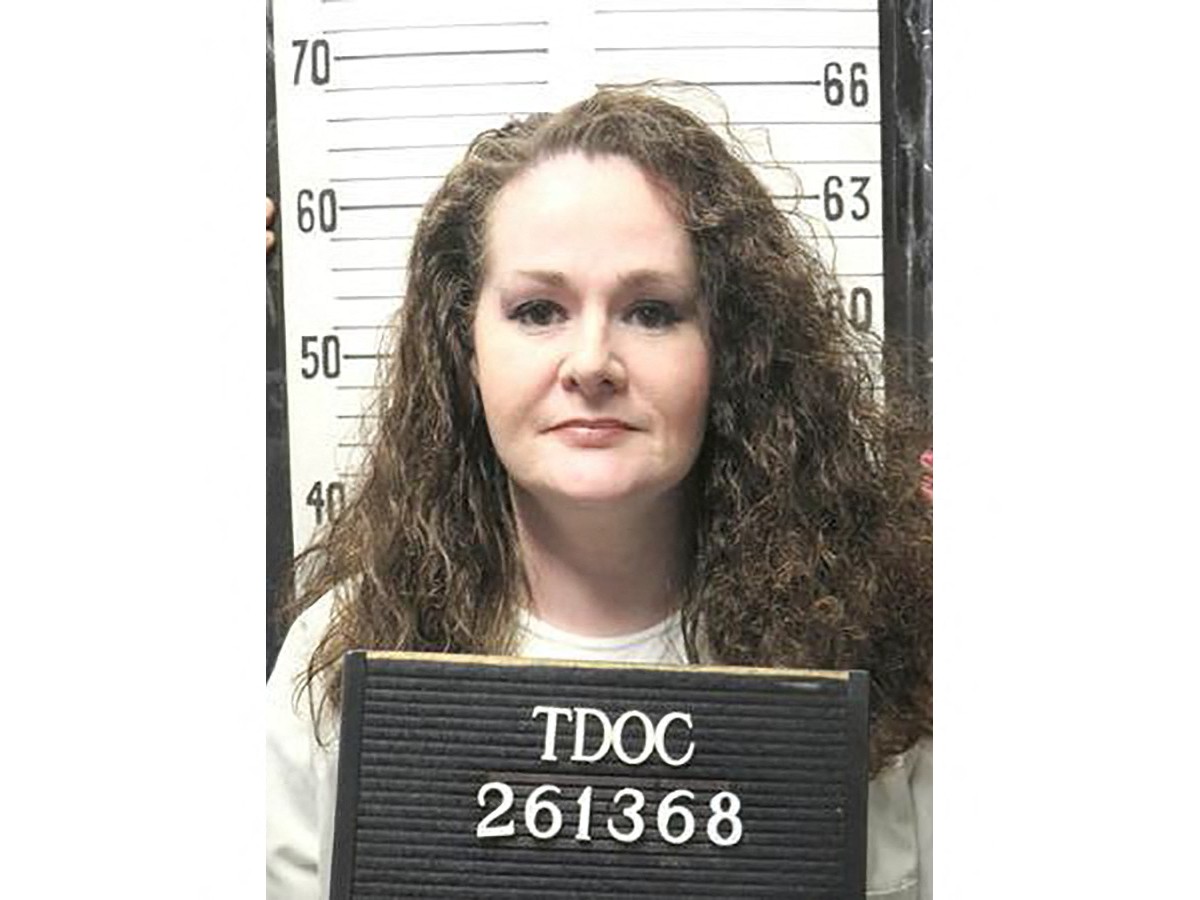
The national opinion poll found low public support for carrying out a second execution on a prisoner who survived the initial attempt. Tennessee is currently facing this issue. On September 30th, the state attempted to execute 50-year-old death row inmate Christa Pike by lethal injection. However, after administering two doses of pentobarbital, which should have been lethal, Pike remained alive. She woke up after being in a coma for five days and returned to prison ten days later.
The majority of countries worldwide have abolished the death penalty. While the federal death penalty still exists in the United States, 23 states have abolished the death penalty at the state level.
In a joint poll conducted by Reuters and Ipsos, about 55% of Americans stated that they still support the death penalty for those who have committed the most serious crimes. However, this figure is lower than the 63% recorded in a similar poll in 2017.
In the latest poll, approximately 31% of respondents were against the death penalty, while 13% either expressed uncertainty or skipped the question altogether.
Among surveyed Republicans, 80% support the death penalty, whereas among Democrats, only 39% do.
This poll was conducted online from October 16th to 19th and collected feedback from 1679 American adults nationwide, with a margin of error of plus or minus 2 percentage points.
(Reference: Reuters)