
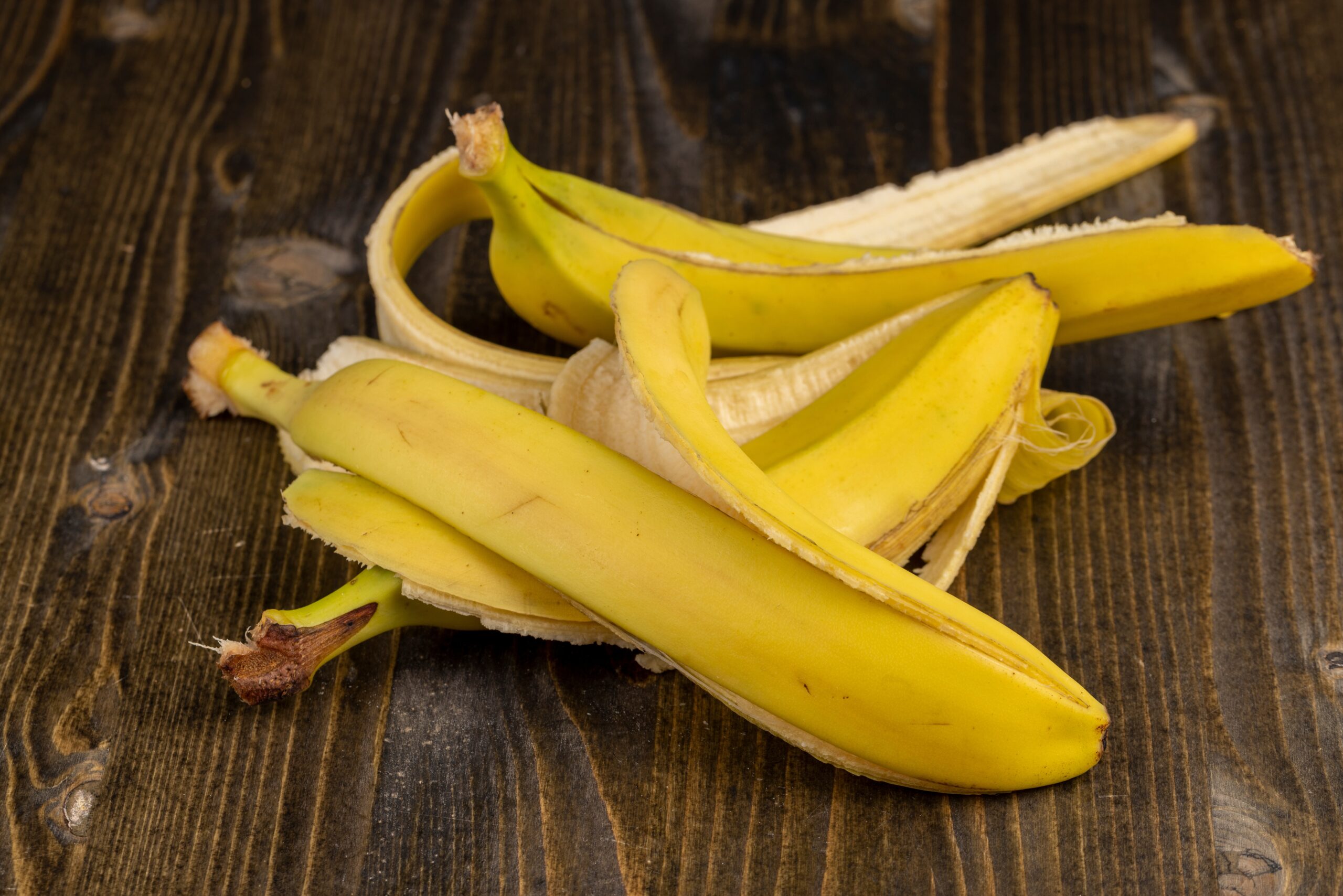
In many people’s eyes, the banana peel is often seen as something to be discarded after eating the banana, with little to no other practical use. However, in reality, the banana peel has various clever uses in everyday cleaning, so don’t be quick to toss it into the trash.
According to the household living website “House Digest,” the banana peel can be considered a natural cleaning wizard with a dual purpose. It functions like a soft cloth that is perfect for wiping away dirt and dust from certain surfaces. Additionally, the potassium and natural oils it contains can be used for polishing, buffing, and cleaning specific materials.
While the banana peel may not have antibacterial properties and may require additional wiping to remove residue after use, it does have several practical applications in daily cleaning. Here are four of its uses:
When silverware is exposed to air for an extended period, it naturally oxidizes and tarnishes. This can cause the silverware to darken and lose its original luster. There are various methods to remove the oxidation layer from silverware, one of which includes using a banana peel.
The reason why a banana peel can be used to buff and remove oxidation from silverware is due to its potassium content. Simply chop or blend the banana peel with a small amount of water until it forms a paste. Then, apply the paste onto the silverware using a soft cloth and proceed to clean the silverware as usual.
Although this method may not be effective in completely removing severe oxidation and tarnishing, it is typically efficient for minor discoloration caused by neglect. You can also use this method to clean silver jewelry effectively.
Many households have wooden furniture that may easily get scratched or develop various imperfections such as water stains from coasters. For minor scratches and marks, consider using a banana peel. With its potassium, starch, and natural oils, a banana peel offers a cost-effective cleaning solution to restore the shine of wood.
It is essential to note that this is primarily a surface treatment rather than structural repair. For severe damage like deep scratches, rot, or other significant issues, alternative repair methods may be necessary, possibly even replacement.
The presence of dust on indoor plant leaves may seem like a mere aesthetic problem, but it can impact the health of the plants. Plants rely on their leaves to absorb sunlight for photosynthesis. Insufficient sunlight can hinder the efficient conversion of carbon dioxide into oxygen and glucose, harming the overall plant health. Moreover, dust can attract dust mites and other pests.
To address these issues, simply wipe the plant leaves to remove dust. Use a banana peel to wipe the leaves, achieving a clean and shiny appearance. After wiping, remember to use a soft cloth to remove any residue left by the banana peel to prevent attracting pests.
Leather furniture not only offers easy maintenance and blends with various home decor styles but also proves durable if properly cared for, lasting for decades. However, leather is prone to scratches or scuffs, particularly specific textured leather that is more susceptible to such damages.
Similar to treating wooden furniture, a banana peel may not fully address severe damage leather may encounter. Still, for minor scuffs, a simple rub with a banana peel might improve the situation. This method also applies to leather accessories.
The process is straightforward: rub the inside of the banana peel on the scratched areas, use a cloth to wipe away any residue, and then buff the leather to a shine.
It is worth mentioning that previous studies have shown that banana peels can be edible after special processing. Processed banana peels can be used to make delicious and nutritious snacks, reducing food waste. (Further reading: Scientists say banana peels are tasty and nutritious, but require special processing)