
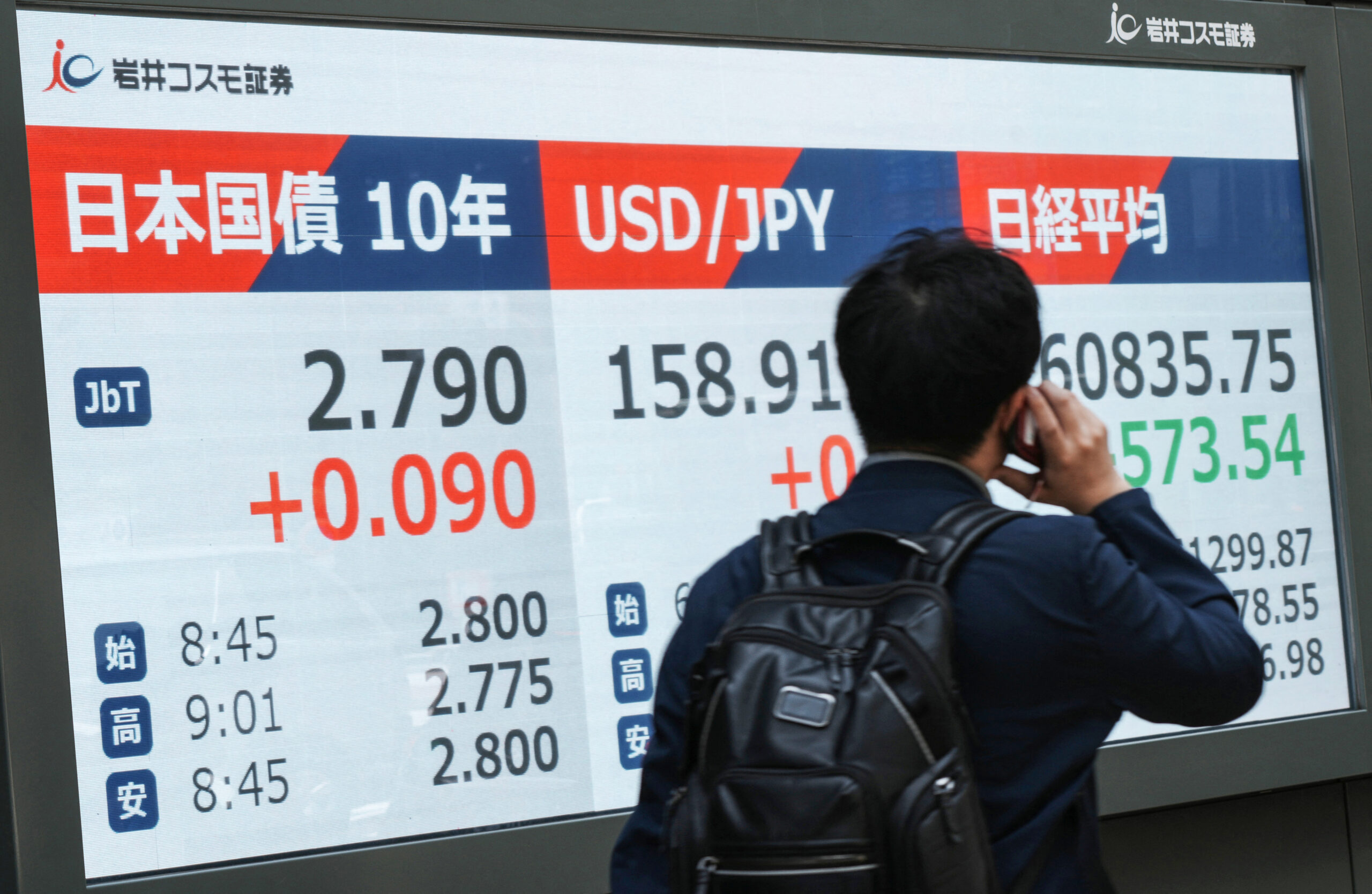
On September 1st, the yield on Japan’s 10-year government bonds briefly rose to the 3% mark, reaching its highest level in about 30 years since September 1996. The escalating tensions in the Middle East have pushed up oil prices, intensifying market concerns about inflation. Coupled with the growing expectations of interest rate hikes by the Bank of Japan, the selling pressure on Japanese government bonds has further increased.
In recent times, the global bond markets have been under selling pressure, with long-term government bond yields in major economies like Germany and the United States at relatively high levels. The situation in the Middle East has led to an increase in oil prices, reigniting market worries about inflation prospects and putting upward pressure on long-term interest rates.
Market expectations of further interest rate hikes by the Bank of Japan have also drawn attention from the United States. On August 30th, US Treasury Secretary Benson expressed hope that the Bank of Japan would take “appropriate response measures.” In an interview with Reuters, when asked about whether the Bank of Japan should consider consecutive interest rate hikes to counter the depreciation of the yen, he stated his belief that Governor Kuroda would take “appropriate measures.”
During the G20 finance ministers and central bank governors meeting, Benson held talks with Japanese Finance Minister Satsuki Katayama and Bank of Japan Governor Haruhiko Kuroda. Erin Brown, Deputy Secretary for International Affairs at the US Treasury Department, stated in an interview with NHK that the US has expressed its desire to see Japan further raise interest rates.
Katayama emphasized the need to balance a robust economy with fiscal sustainability and noted that monetary policy decisions are made by the Bank of Japan.
The 10-year government bond yield reaching 3% reflects that Japan’s interest rates are moving further away from the long-term lows, with increasing market attention on the normalization of monetary policy.
Daisuke Shimazu, Chief Market Strategist at Sumitomo Mitsui Trust Bank, stated in an interview with Nippon Television that Japan has been in a “world without interest rates” for about 30 years and as monetary policy gradually normalizes, interest rates are rising, and reaching a 3% yield on 10-year government bonds is “not actually high.”
However, the rise in long-term interest rates will increase the financing costs for the Japanese government. With Japan’s massive debt burden, the gradual increase in long-term interest rates will gradually impact government bond refinancing and interest expenses, thereby squeezing the government’s fiscal policy space.
The Japanese government emphasizes that fiscal sustainability will be taken into consideration. Chief Cabinet Secretary Minoru Kiwara stated on the 1st that they will appropriately control the total amount of government bond issuances throughout the year to gain market trust while addressing necessary fiscal needs. Prime Minister Sanae Takamichi also stated on the same day that they will balance a robust economy with fiscal sustainability.
Previously estimated by the Ministry of Finance, if interest rates continue to rise, by the fiscal year 2035, Japan’s annual interest payment costs could reach 45 trillion yen (about 280 billion dollars). As Japan undergoes the normalization process of interest rates, it will also face the dual pressures of rising government financing costs and fiscal sustainability.