
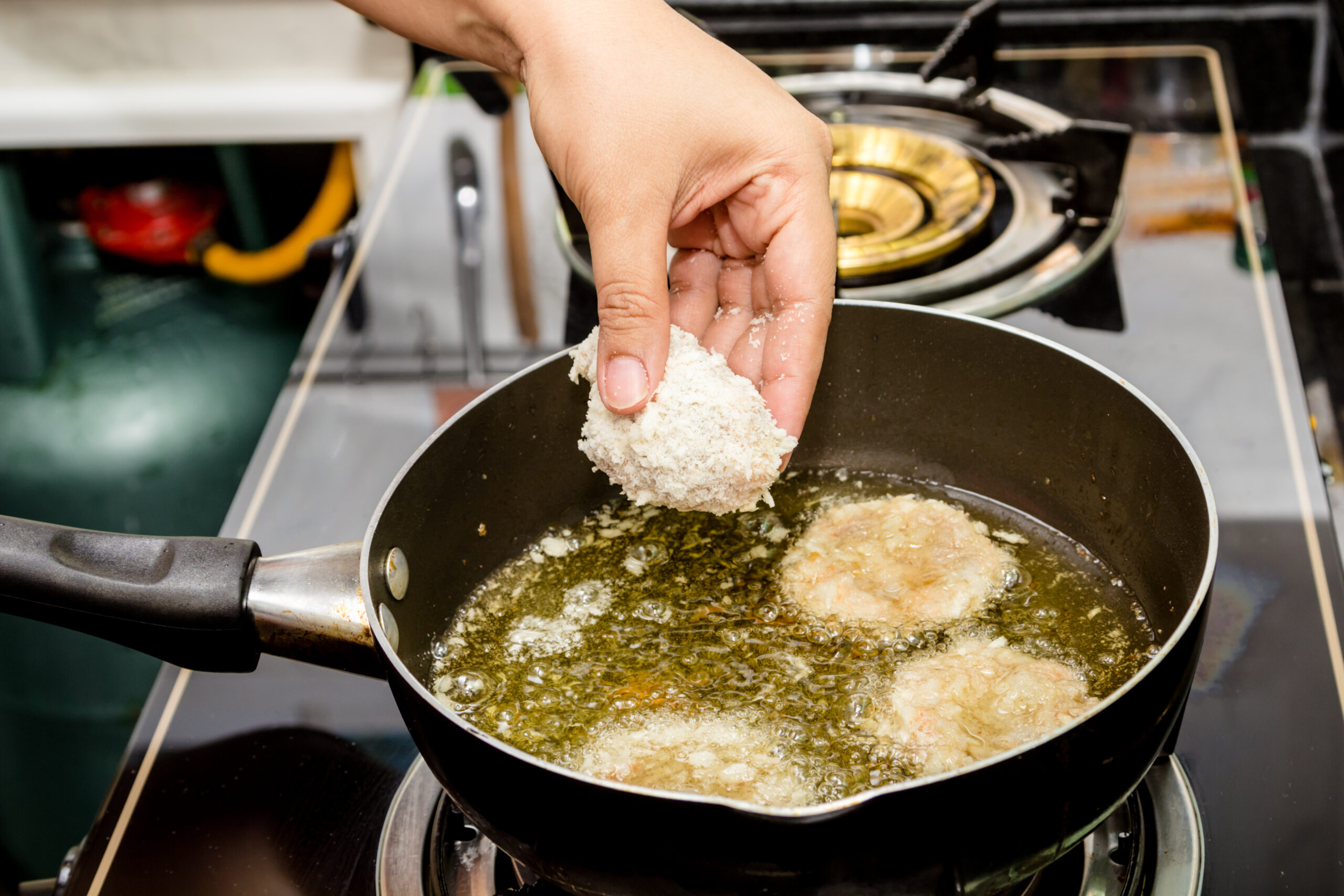
Regardless of whether you fry, boil, stir-fry, or deep-fry, people use edible oil when cooking. It could be animal-based or plant-based. However, no matter which type of oil is used, there is the issue of disposing of waste cooking oil, such as the oil left over from frying chicken nuggets. So, how do you usually handle these waste cooking oils? Pour them directly into the kitchen sink? Let’s see what the experts have to say.
According to a report from the UK’s “Daily Express”, you might pour the leftover cooking oil down the drain, but Martin Garbutt, the technical manager at the drainage repair company Ding, expressed opposition to this practice, as grease is one of the common causes of household drain blockages.
He said, “Although they go down the drain in liquid form (like most sauces), they solidify after cooling. This can cause the grease to adhere to the inner walls of the pipes, narrowing the passageway for water flow and eventually leading to blockages.”
He suggests that people should let the leftover cooking oil cool and solidify before treating it as regular household waste. The correct way to dispose of it is to wait for the grease to completely cool, pour it into a sealed container (such as the original bottle or can), and then discard it in a regular trash bin.
Furthermore, some local governments and household waste recycling centers also recycle waste cooking oil and process it into biodiesel. This is another way of handling it.
Chris Houghton, an expert from the UK’s HomeServe, also provided the same advice.
He said, “Properly dealing with waste cooking oil is actually simple. Let the oil in the pot cool completely, pour it into a sealable container (such as an old can or bottle), screw the lid tightly, and then dispose of it in a regular trash bin.”
If the amount of waste cooking oil is small, simply wipe the cookware with kitchen paper towels and then dispose of the towels. For larger amounts (such as leftover oil from frying foods), most waste recycling centers accept waste cooking oil.
In response to the advice from the two experts mentioned above, Jamie Campbell, the Managing Director of the UK waste management company Kane Enviro, expressed agreement. He emphasized, “Waste cooking oil should not be poured down the sink.”
As for the impact of pouring waste cooking oil down the sink, Houghton pointed out that improper disposal of grease has implications not only in your own home but also on the entire street’s drainage system.
He mentioned that while hot oil appears harmless when in liquid form, it thickens and solidifies in the pipes after cooling, adhering to the inner walls. Subsequently, food residues and other debris can adhere to it, leading to blockages when left unattended for a long time.
He noted that if these greases leave your home’s drainage pipes, they can combine with other waste, forming massive “fatbergs” in the sewer system. This could result in sewage backup, flooding into residents’ homes or streets, and even causing serious environmental impacts.
When it comes to edible oil, people are concerned about consuming poor quality oil that could harm their health. In this regard, experts have shared four simple methods to help you consume high-quality oil, including buying good oil in glass bottles only.