
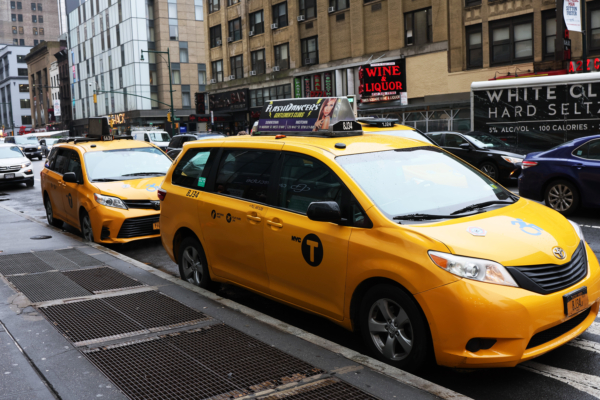
Four yellow taxi drivers in New York City have died while on duty this summer, sparking concerns over the health security of professional drivers. The long-standing conflict of interest between the New York Taxi Workers Alliance and the ride-sharing giant Uber has prompted them to join forces with the investment management company MarbleGate in calling for the establishment of a driver healthcare fund. This initiative aims to alleviate the difficult choice drivers face between seeking medical treatment and maintaining their livelihood when they fall ill.
According to Gothamist, the NY Taxi Workers Alliance, Uber, and MarbleGate collectively wrote to Mayor Mamdani and Governor Hochu on the 9th of this month, urging them to improve driver healthcare benefits. It was noted that several of the four deceased drivers already had existing health issues.
For drivers who rely on their cars for a living, taking breaks to rest means a reduction in income, yet expenses such as rent, vehicle maintenance, and family living costs do not cease. Economic pressures may cause drivers to postpone seeking medical help even when they are feeling unwell.
The proposal put forward by the three parties suggests reallocating the current 50-cent surcharge per yellow taxi trip, which is currently directed to the Metropolitan Transportation Authority (MTA), to the driver healthcare fund. This would generate approximately $24 million annually, subject to approval by the state legislature.
Furthermore, they are advocating for the expansion of existing driver welfare funds. Currently, some eligible ride-hail drivers can access benefits like dental, vision, and telemedicine services through the Black Car Fund, but these benefits do not equate to comprehensive health insurance coverage.
The Taxi Workers Alliance has long criticized Uber for disrupting the traditional taxi industry, with frequent disagreements between the two sides on pay and industry policies. However, they have found common ground on the issue of healthcare security this time around.
Executive Director of the union, Bhairavi Desai, stated that the support of the two major corporations for the union’s proposal represents a significant breakthrough.
The union had previously collaborated with MarbleGate to advocate for the reduction of taxi medallion debts. According to data from the New York City government, as of 2022, this initiative has helped over 1,000 medallion holders relieve debts exceeding $225 million.
The issue of driver healthcare has been a longstanding concern. In 2012, the union had pushed for the establishment of a welfare fund, but legal disputes prevented its implementation. The viability of the new funding proposal put forth by the three parties will depend on the support it garners from the state legislature, signaling the need for further observation.