
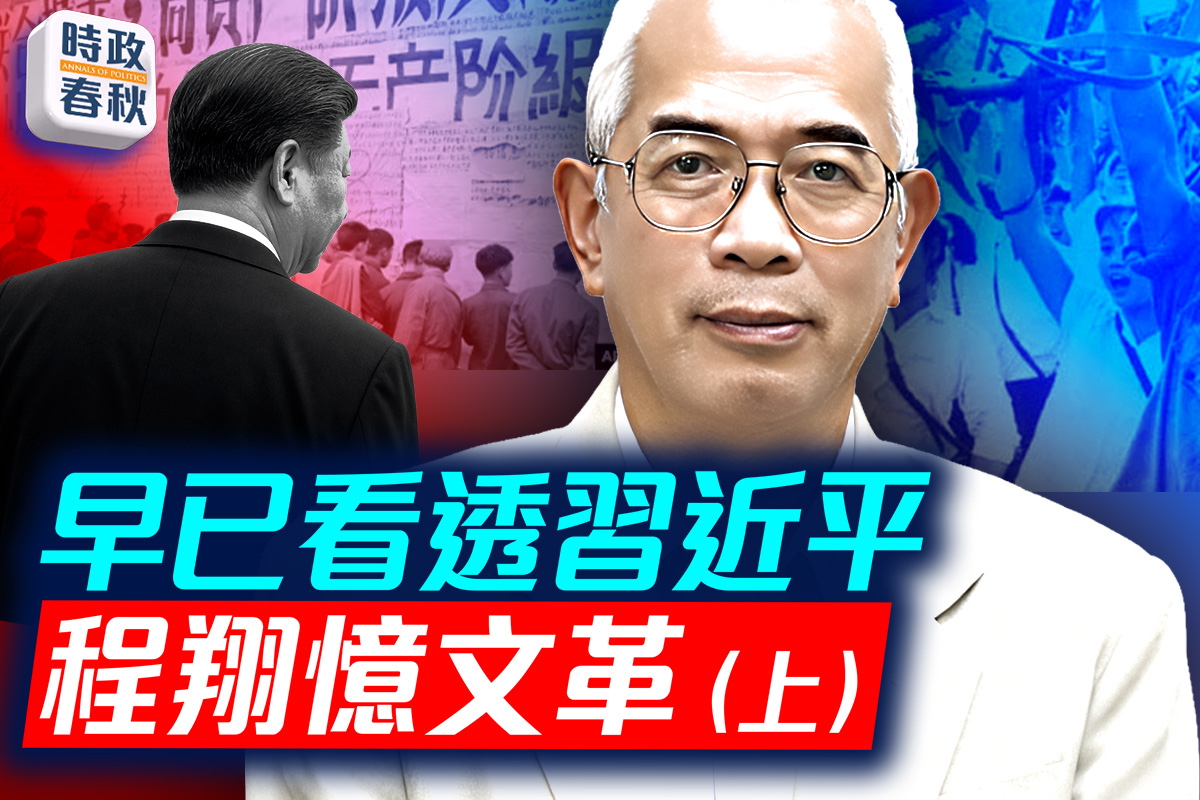
Today’s Focus: The Cultural Revolution was sparked by Mao Zedong’s criticism of a leftist film from Hong Kong, making the end of the Cultural Revolution also closely related to Hong Kong. In the memory of Chinese people today, the Cultural Revolution has become very distant. This year marks the 60th anniversary of the initiation of the Cultural Revolution, and we have specially invited the renowned Hong Kong journalist and media personality, Mr. Cheng Xiang, to discuss the Cultural Revolution.
Welcome to subscribe to the YouTube channel:
https://www.youtube.com/@%E6%99%82%E6%94%BF%E6%98%A5%E7%A7%8B
Welcome to subscribe to the Clean World channel:
https://www.ganjingworld.com/s/vrJXVn2xwZ
The Cultural Revolution was a tumultuous period in Chinese history that lasted from 1966 to 1976. It was a time of political and social upheaval characterized by mass mobilization and violent struggle. Mao Zedong, the leader of the Chinese Communist Party, initiated the movement to reassert his authority and purge the party of his perceived enemies.
One of the key events that set off the Cultural Revolution was Mao’s criticism of a leftist film from Hong Kong. This criticism led to a wave of attacks on intellectuals, artists, and other perceived enemies of the revolution. The film, which depicted a dystopian future where capitalist forces had corrupted the socialist ideals of the Chinese people, struck a nerve with Mao and his supporters.
As the Cultural Revolution escalated, it brought immense suffering to the Chinese people. Countless lives were lost, families were torn apart, and cultural heritage was destroyed. The scars of this traumatic period still linger in the collective memory of the Chinese people today.
The end of the Cultural Revolution in 1976 marked a significant turning point in Chinese history. It also coincided with developments in Hong Kong, a city with its own unique cultural and political landscape. The reverberations of the Cultural Revolution were felt in Hong Kong, as the city grappled with its own challenges and uncertainties.
In the decades since the end of the Cultural Revolution, both China and Hong Kong have undergone profound changes. However, the legacy of that tumultuous period continues to shape their societies in ways large and small. Reflecting on the events of the Cultural Revolution reminds us of the importance of preserving peace, stability, and respect for diverse perspectives in our societies.