
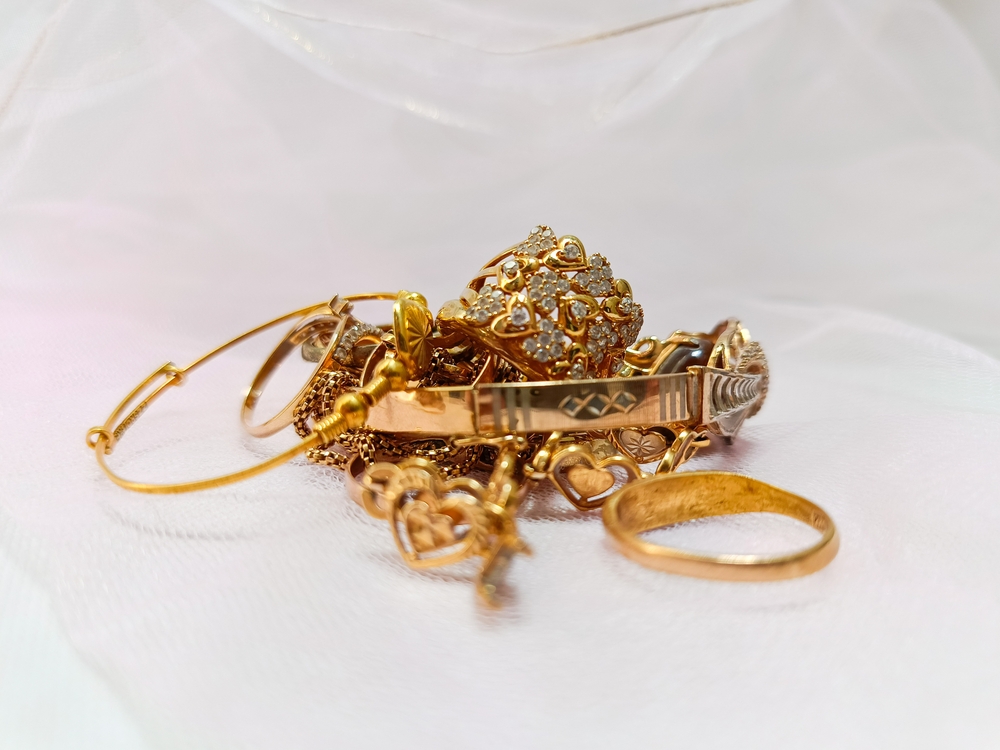
Selling inherited gold coins and jewelry is one of the most common gold transactions in the United States, but people often fail to prepare in advance.
They may walk into a “cash for gold” store with a can of inherited Krugerrand gold coins and a drawer of old jewelry. They easily accept the first quote, which may be 20% to 40% lower than the actual melt value of gold.
Most of the information online is written for those looking to buy gold, with little guidance for families looking to sell inherited gold on fair terms. This is a seller’s guide, specifically written for those needing to negotiate and prepare.
For recognized investment coins like Krugerrands, American Eagles, or Canadian Maple Leafs, reputable gold coin dealers usually offer prices slightly below the spot price of gold on that day.
When selling jewelry as scrap, the price may be slightly lower because the buyer needs to deduct refining costs. However, a fair quote should still make up the majority of the melt value.
If the quote is significantly lower than the melt value, that’s a sign you should walk away. Before anyone puts your gold on the scale, understand the melt value and calculate it yourself. The whole process takes only five minutes.
Gold does not spoil. Any sense of urgency created in the store is a sales strategy. Using your anxiety, along with the counter and scale, is often what these businesses excel at.
Secure the gold properly, take your time.
Give yourself a week to complete the following steps. The price difference in the end could lead to significant profits.
Melt value refers to the value of pure gold in an item calculated based on the current gold price. You need three values: weight, purity, and the current gold price.
Then calculate: dividing the weight in grams by 31.1 equals the troy ounces of gold, then multiply by purity, and finally by the current price.
Take a 14K gold bracelet weighing 20 grams as an example. 20 divided by 31.1 equals 0.643 troy ounces. Multiply this by the purity of 0.583 to get 0.375 ounces of pure gold. If the current price is $4,000, the melt value is approximately $1,500.
Investment coins are essentially a commodity. Their weight and purity are guaranteed by government mints, making it easy for dealers to resell and generally offer purchase prices close to the spot price.
Pricing jewelry is more complex: varying purity levels, deduction of gems and clasps, and the fact that scrap gold must be refined before it can be resold as a metal, with refining costs deducted directly from the quote.
However, jewelry has a second avenue that coins do not have.
A designer piece with a signature or a well-crafted antique may have a higher value when sold as jewelry than melted for its metal content.
If you have a beautiful piece of jewelry with a maker’s mark or a famous designer’s name, then before considering it scrap, get it appraised in two ways.
Get quotes from at least two to three buyers and inform each that you are shopping around.
Remember: you have the right to refuse to sell.
The quotes provided by reputable dealers are not binding, and there should be no pressure to sell on the spot.
Mistake one: Melting without examination.
Some coins and old currency may have a higher collectible value than their metal content.
Coins minted before 1933, special years and mint marks, coins in professional grading service packaging or original packaging, and items stored separately or specially marked by your relatives deserve assessment by a professional numismatist before melting.
The cost of appraisal is low but can protect that value. Once a coin is melted, that value is permanently lost.
And whatever you do, do not clean coins.
Collectors value the original surface, and wiping can evaporate value within seconds.
Mistake two: Neglecting beneficial tax provisions.
Inherited assets enjoy the “stepped-up basis” treatment: from a tax perspective, your cost is reset to the fair market value of gold on the day the deceased passed.
If you sell shortly after inheriting, any taxable gains are calculated only on the post-death appreciation, usually leading to low or even tax-free capital gains, even if your parents bought the gold many years ago at a significantly lower price.
Only the post-death appreciation is subject to tax. Thus, you need a written “date-of-death valuation” and keep sales receipts. These documents can help prove your cost basis and profit amount.
If I sell the gold immediately after inheriting, do I need to pay taxes?
Typically, little or no tax is due.
Due to the “stepped-up basis” rule, your cost basis resets to the gold market price on the deceased’s death date. Therefore, selling immediately after inheritance likely results in little to no taxable income, with only the value appreciated post-inheritance subject to capital gains tax; if held for over a year, it will be taxed at up to 28% under the collectibles tax rate. Keep the written valuation report for the death date to prove your cost basis.
Watch out for signs of collectible value.
Once again, coins minted before 1933, rare years or mint marks, coins graded and housed in encapsulated boxes by major institutions like PCGS or NGC, coins in original government packaging, and any coins stored or marked specifically by the previous owner may indicate additional value.
If in doubt, before melting for its melt value, have a professional numismatist appraise it. Although you incur appraisal costs, melting a rare coin is an irreversible mistake, and the appraisal fee is usually low.
For widely recognized investment coins, reputable dealers usually quote slightly below the spot price.
If the quote is more than 5% below the spot price, seek another buyer for a quote.
As for scrap jewelry, quotes typically have a discount for the refining cost, but you should still receive the majority of the calculated melt value.
Be extra cautious with quotes below 20% or more of the melt value. This is a common pattern highlighted by consumer watchdogs in the “cash for gold” industry. Comparing quotes from multiple sources is your best protection.
Both methods are viable.
Local gold coin dealers provide same-day payment, on-the-spot assessment, and you can easily compare quotes from different buyers.
Well-known online precious metal dealers publish their purchase prices online, which are often competitive, but you need to insure the gold before mailing it and wait for payment.
Avoid using mail-in “cash for gold” services; this is a completely different business model.
Whichever method you choose, verify the buyer’s credibility and obtain competitive quotes before proceeding with the transaction.