
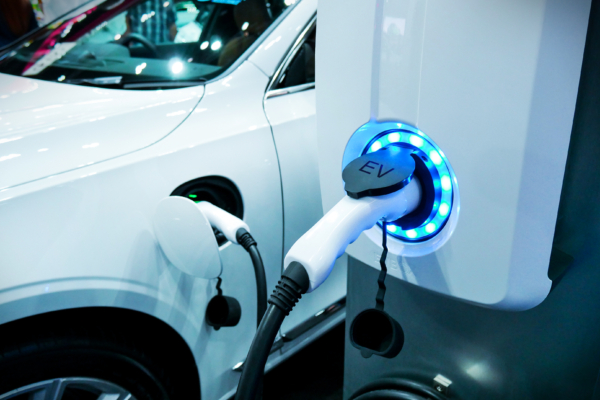
The latest data from several electric vehicle associations in Europe shows that the registration volume of Battery Electric Vehicles (BEVs) in 16 major European markets continued to rise in July, accounting for more than a quarter of new car sales. Experts analyze that the growth in electric vehicle sales is mainly due to high oil prices, government subsidies, and the introduction of more affordable vehicle models. Once these incentives disappear, sales may decline.
According to the latest data from E-Mobility Europe, New Automotive, and Fier Automotive, the registration volume of BEVs in these 16 markets reached 224,266 vehicles in July, a year-on-year increase of 13.6%, with a market share of 25.7%.
So far this year, nearly 1.5 million BEVs have been registered in Europe, representing a 30% increase from the same period last year (2025), indicating a strong and continuous trend towards electric mobility in the region.
In July, the market share of BEVs in France reached 35%, with a registration volume of 44,378 vehicles, representing a year-on-year increase of approximately 127%. In Germany, out of the total new car registrations of 268,068 vehicles in the month, 78,609 were BEVs (compared to 48,614 in the same period last year), marking a 61.7% increase and a market share of 29.3%.
Northern European countries, Belgium, and the Netherlands remain the markets with the highest market share for electric vehicles in Europe, with Denmark leading with a market share of 80.1%, followed by Finland (52.6%), the Netherlands (47.3%), Belgium (42.8%), and Sweden (42.6%).
In contrast, the market share of BEVs in Italy dropped from 10.1% in June to 5.9% in July, mainly due to the expiration of previous incentives, while Poland and the Czech Republic maintained low levels of 4% and 7.5%, respectively.
On July 16, the French government relaunched the third wave of the “Social Leasing” program, targeting low-income families. Eligible participants can lease electric vehicles with zero down payment and monthly payments ranging from approximately 94 to 200 euros (depending on the model and income), with the government subsidizing about 29% of the purchase price, up to 6,500 euros; if the vehicle and battery are produced in the European Economic Area, the subsidy cap can reach 9,000 euros.
This initiative propelled Renault’s domestic models such as the R5, Scenic E-Tech, and Twingo E-Tech into the top ten in terms of sales in July, becoming the drivers of growth.
Starting from 2026, the German government has reintroduced subsidies for the purchase of electric vehicles, with a budget of approximately 3 billion euros, and the program is expected to run until 2029. The application process opened in May, with incentives for pure electric vehicles ranging from 3,000 to 6,000 euros, depending on the model purchased and the buyer’s income.
Due to lower incentives for plug-in hybrid electric vehicles, concurrent data shows a decrease in the registration volume of internal combustion engine (ICE) vehicles by 29.7% and diesel vehicles by 21.8% in Germany in July.
Meanwhile, the entry-level affordable pure electric vehicle offerings in Germany have expanded, including Chinese brands such as BYD, XPeng, and Leapmotor.
According to a report on Boursorama website under the French bank Societe Generale, Chinese brands such as BYD, XPeng, and Leapmotor saw significant growth in sales in Germany in July; on the contrary, Tesla registered only 367 vehicles in Germany in July, a year-on-year decrease of 66.9%.
Analysis by accounting firm EY points out that government subsidies for electric vehicles remain a major driver of growth in the German new car market. EY also notes that Chinese electric vehicle brands, benefiting from price advantages, have seen significant sales growth in Germany compared to the same period last year, exerting significant pressure on the European automotive industry.
Furthermore, a survey from the German online marketplace indicates that over 60% of respondents consider using electric vehicles as the best long-term solution to cope with high oil prices.
As the European Union continues to promote the transition through carbon emission regulations and tax policies, France has also increased the carbon dioxide and weight taxes on internal combustion engine vehicles, but market performance shows significant differentiation. Industry experts are concerned that once oil prices fall or subsidy levels weaken, consumer willingness to purchase may cool off.
Additionally, Ian Henry from AutoAnalysis consultancy stated to Reuters on August 24 that the lack of public charging infrastructure remains a major obstacle for Europeans to adopt electric vehicles, saying, “We may be nearing saturation point, as some people may want to use electric vehicles but are deterred due to charging issues.”
Overall, the electric vehicle market share in Europe surpassed 25% in July, reflecting the combined effects of government policies and market conditions. However, the future purchasing momentum still heavily relies on the stability of subsidies and the level of infrastructure development.