
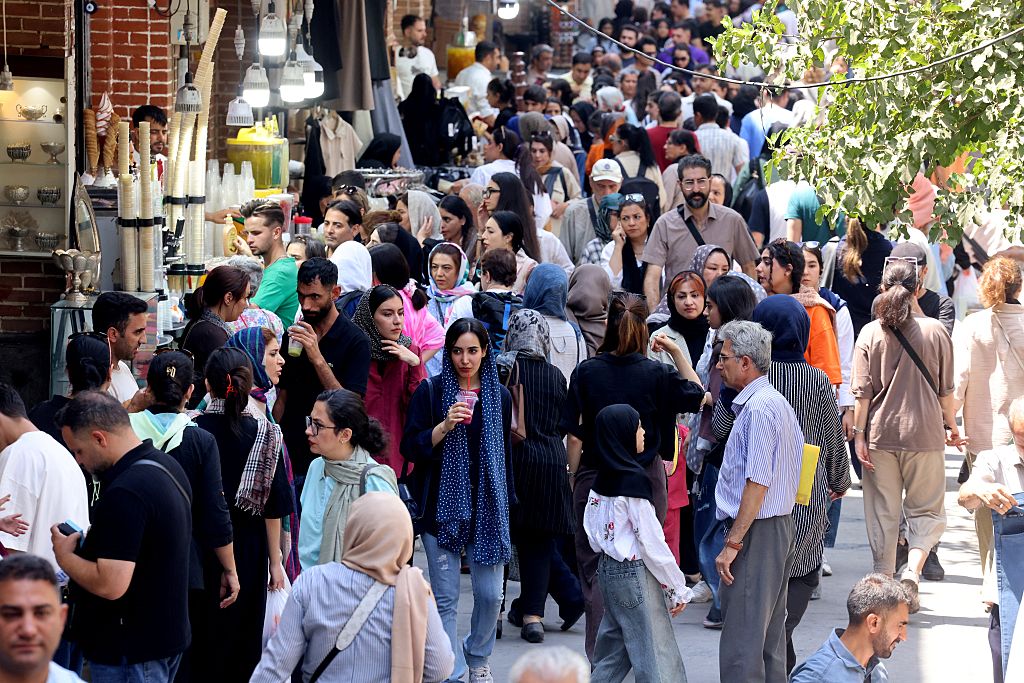
Iran is facing a continuous surge in prices of essential goods due to the compounding effects of war, inflation, unemployment, and economic sanctions. The price of rice has risen by 60% since the start of the war, while beef prices have skyrocketed by 150%, forcing many people to reduce their purchases or even sacrifice spending on items like meat and fruits to barely sustain their livelihoods.
The conflict between the United States and Iran has been ongoing for nearly six months, leading to economic hardship during wartime. Many Iranians have been compelled to work longer hours to make ends meet, but their purchasing power has drastically decreased to only half of what it was a year ago. While people can still shop at the traditional Grand Bazaar, the rising prices have led to fewer items being affordable enough to make it into their shopping baskets.
A 52-year-old taxi driver, Ahmad Karimi, shared with the Associated Press that in order to support his two children, he works 15 hours a day without weekends off. He expressed his frustration, stating that to save money, “we have almost given up on many things. We no longer buy fruits, have reduced consumption of protein, given up leisure activities, and even work on weekends.”
He mentioned that the strategic calculations of the government and the harsh reality of daily struggles for meals and basic living expenses are worlds apart for ordinary families. He said, “People cannot go on living like this. We are just surviving for now, trying to make it through day by day.”
Another mother, 41 years old and a mother of two, who chose to remain anonymous, revealed that she spent 8,900 million Iranian rials (approximately 65 US dollars) on just milk, eggs, toilet paper, and other basic necessities without even buying meat. She lamented, “Buying essential goods has become our top priority, but the ability to afford things is decreasing, and our shopping basket is getting smaller.”
She expressed how she has to constantly weigh whether she can afford the extracurricular activities her children want or even everyday items they desire, leaving her repeatedly having to “deny” her children’s requests, which has left her mentally and physically exhausted.
Iran has long been under Western sanctions, and its economy was already fragile. Since the start of the US-Iran war on February 28th, American sanctions and restrictions have made it even harder for Iran to export its oil, significantly impacting this crucial source of foreign exchange income.
The International Monetary Fund (IMF) predicts that Iran’s inflation rate will approach 70% by the end of this year, and its real GDP will contract by more than 5%. While Iran’s official unemployment rate stands at 9.1%, media close to Iran’s government suggest that the actual situation may be more severe. Labor officials have reported that over a million job opportunities have disappeared within just three months of the outbreak of the war.
Prior to the outbreak of the US-Iran war, Iranians were already discontent with economic issues. Earlier this year, protests erupted across Iran, but were met with violent suppression, resulting in thousands of deaths and tens of thousands of arrests. Iranian authorities have warned that participating in anti-government demonstrations could be considered treason, punishable by death.
Economist Hassan Golmoradi, based in Tehran, highlighted that some Iranians are no longer solely blaming the Iranian government for the deteriorating economy but are also attributing part of the economic hardship to foreign governments.
This article referenced reports from the Associated Press and Kurdistan24 TV.