
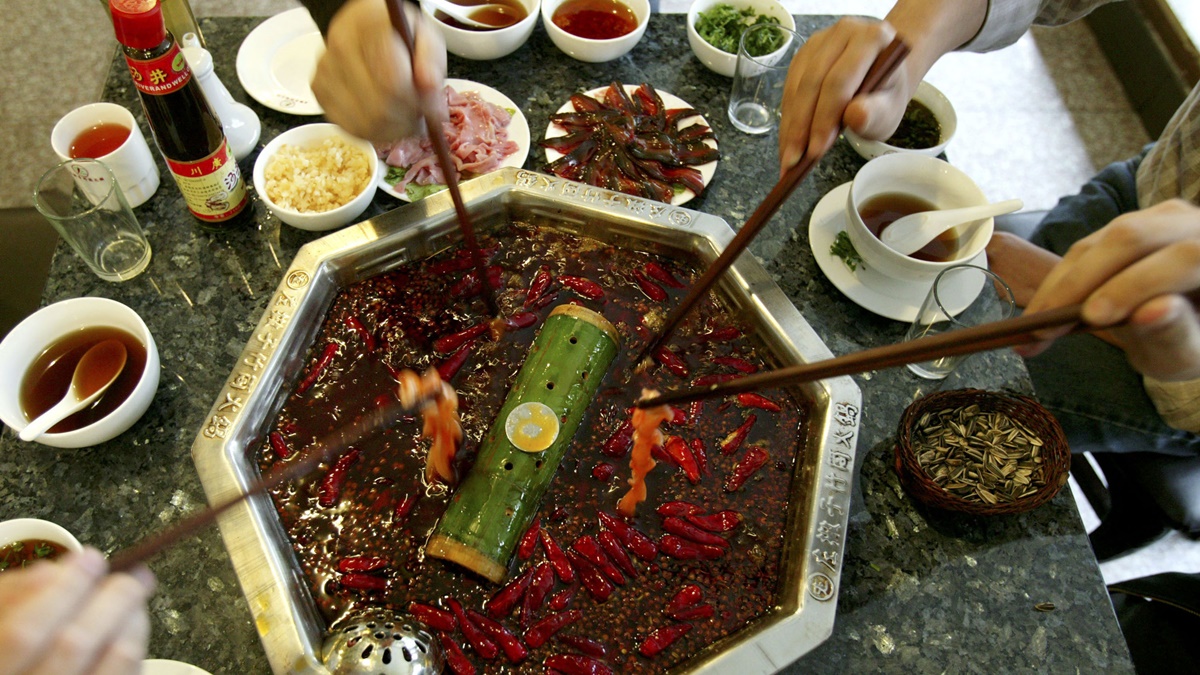
In the first half of 2026, the number of catering establishments in China decreased by 410,000, with 2 million industry workers leaving their jobs. The revenue of the Chinese catering industry continues to be driven mainly by first-tier cities.
According to data from Jiuhai Brand Monitoring under Beijing Jihai Zongheng Information Technology Co., Ltd., in the first half of 2026, the number of closed catering establishments in China reached 2.0552 million, while only 1.65 million new stores were opened during the same period, resulting in a net decrease of 410,000 stores.
On August 22, the owner of a catering business, Nican8, under Beijing Watt New Media Network Technology Co., Ltd., mentioned that the wave of closures includes entrepreneurs who entered the industry in recent years and now face forced exits, as well as top brands making strategic choices to shrink. According to Ywin.com data, over 60 typical brands made store-related movements in the first half of the year. At the same time, entrepreneurs’ attitudes towards opening restaurants have shifted to cautious observation. Data from Qichacha shows that in the first half of this year, the number of registered catering businesses nationwide was only 1.077 million, a year-on-year decrease of 17.3%.
Statistics reveal that in the first half of the year, the catering industry still relied on holidays to drive sales. According to the Consumer Index released by the China Hotel Association, the consumption index of the catering industry showed an “M” pattern in the first six months of the year: during the Chinese New Year period in February and the May 1st holiday, the index was 103.2 and 99 respectively; by June, it dropped to 89.6, a 9.5% decrease from the previous month.
Overall, the catering industry is still growing. According to the latest data from the National Bureau of Statistics of PRC, the total catering revenue in China accumulated to 2.8255 trillion yuan, a 2.8% year-on-year increase. First-tier cities (Beijing, Shanghai, Guangzhou) remain the major market supporting catering consumption. Meanwhile, the total income of large-scale catering enterprises (those with annual revenue of over 2 million yuan and employing over 40 people at the end of the year) reached 832.8 billion yuan, a 1.8% year-on-year increase, lower than the industry average. Traditional companies have seen a significant decline in profits.
The semi-annual report shows that Hubei’s century-old brand Tongqinglou’s net profit plummeted by over 97%. Xi’an Yingshi, a company with multiple well-known old brand signboards, has been in the red for five years, experiencing another loss of 52.3 million yuan in the first half of this year. Cash flow dropped to 237.539 million yuan, a drastic decrease of 142.60%, with an asset-liability ratio as high as 90.44%. Guangzhou Restaurant’s revenue increased by 9.39%, but net profit fell by 21%, and Tang Palace China is expected to incur losses ranging from between 4 to 9 million yuan.
Apart from well-established brands, Anhui Xiaocaiyuan Catering Management Co., Ltd., known as the “number one Chinese banquet stock”, saw a decrease in average customer spending from 65 yuan to 50.5 yuan. However, this price reduction did not translate into profits, with revenue increasing by 7%, but net profit decreasing by 24.3%. Chain hotpot brand Haidilao expects a 23% decline in revenue compared to the same period last year, with an estimated loss of 29 to 39 million yuan. Another hotpot chain, Xiabuchaobu, predicts a revenue increase of around 9% in the first half of the year, with a net profit growth of only about 1%.
Catering business owners comment that the industry has bid farewell to the era of high growth, and company scale is no longer a “moat” for brands. Brands with larger expansions are more prone to profit drag. Currently, the catering industry is experiencing intense differentiation, with the disappearance of scale dividends leading brands to seek their own survival space: large enterprises are downsizing, small businesses are struggling to survive, and mid-range brands are facing crises. By 2026, the scale dividend effect of opening one store after another has become weaker.
With the turbulence in the catering industry, 2 million industry workers have already left the field in the first half of this year.