
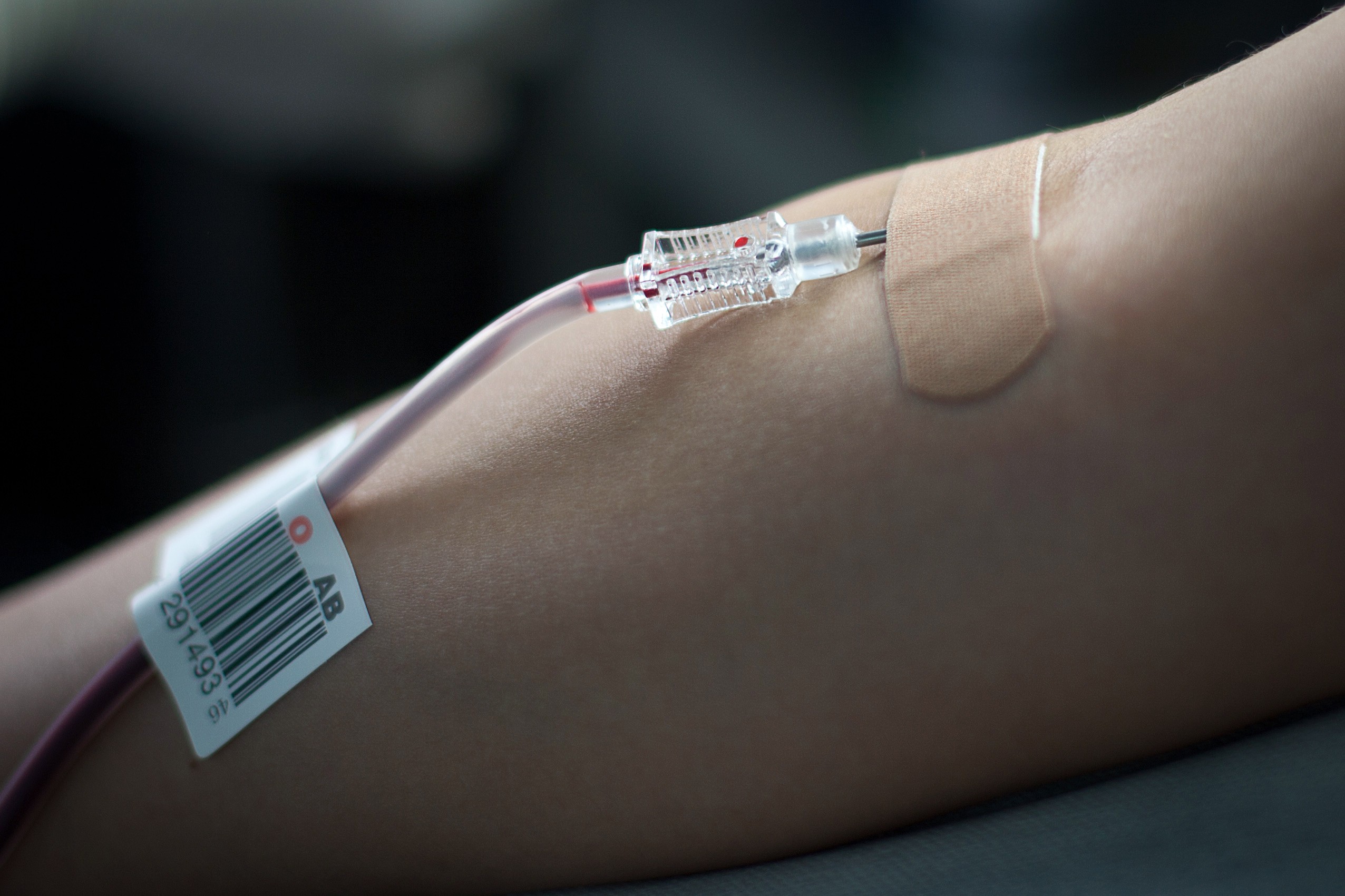
The U.S. Food and Drug Administration (FDA) on Wednesday (August 19) approved the autonomous blood-drawing robot Aletta for performing arm blood draws on adults, with the requirement that the blood draw process must be supervised by a trained phlebotomist. This authorization comes at a time when U.S. medical institutions are facing a shortage of trained phlebotomists.
In a statement, Michelle Tarver, Director of the Center for Devices and Radiological Health at the FDA, stated, “While blood draws are one of the most common medical procedures in the United States, the shortage of trained phlebotomists may delay patient care. This authorization reflects the FDA’s commitment to promoting innovative medical devices to meet critical public health needs while maintaining patient safety.”
According to the FDA, one phlebotomist can supervise up to three Aletta robots simultaneously, which is expected to significantly alleviate the tight manpower situation in healthcare.
Clinical trials reviewed by the FDA have shown that Aletta’s successful blood draw rate is comparable to that of professional technicians and even performs better in some cases. These clinical trials encompassed a diverse range of patient groups, including those with different health conditions, skin colors, and patients who self-reported difficult veins for blood draws.
Additionally, the clinical trials also studied the patient’s reactions to blood draws performed by the Aletta robot, finding that there were minimal adverse reactions among patients, and any symptoms were mild.
The Aletta robot guides the patient to position their arm correctly, and once the patient or supervisor presses the start button, it uses near-infrared light and Doppler ultrasound to distinguish between “arteries” and “veins.” If the system cannot identify a suitable vein, the blood draw will not proceed.
Once a suitable vein is identified, Aletta automatically carries out subsequent steps, including applying a tourniquet to the patient, skin disinfection, needle insertion and handling, changing blood collection tubes, and applying a bandage.
However, the overseeing phlebotomist is still required to verify that the collection tubes are filled correctly in the proper order and check each tube for an adequate blood sample.
The FDA mentioned that Aletta incorporates multiple safety measures to reduce risks. This includes continuous application of disinfectant on the patient’s skin while Aletta performs ultrasound scans and regular cleaning of Aletta by trained staff after each blood draw.
The FDA also emphasizes that if a patient moves excessively during the blood draw process, Aletta’s needle will automatically detach and stop the blood draw procedure. If the built-in sensors detect any other potential unsafe conditions, the blood draw will immediately pause, alerting the overseeing phlebotomist to intervene promptly and address the issue.